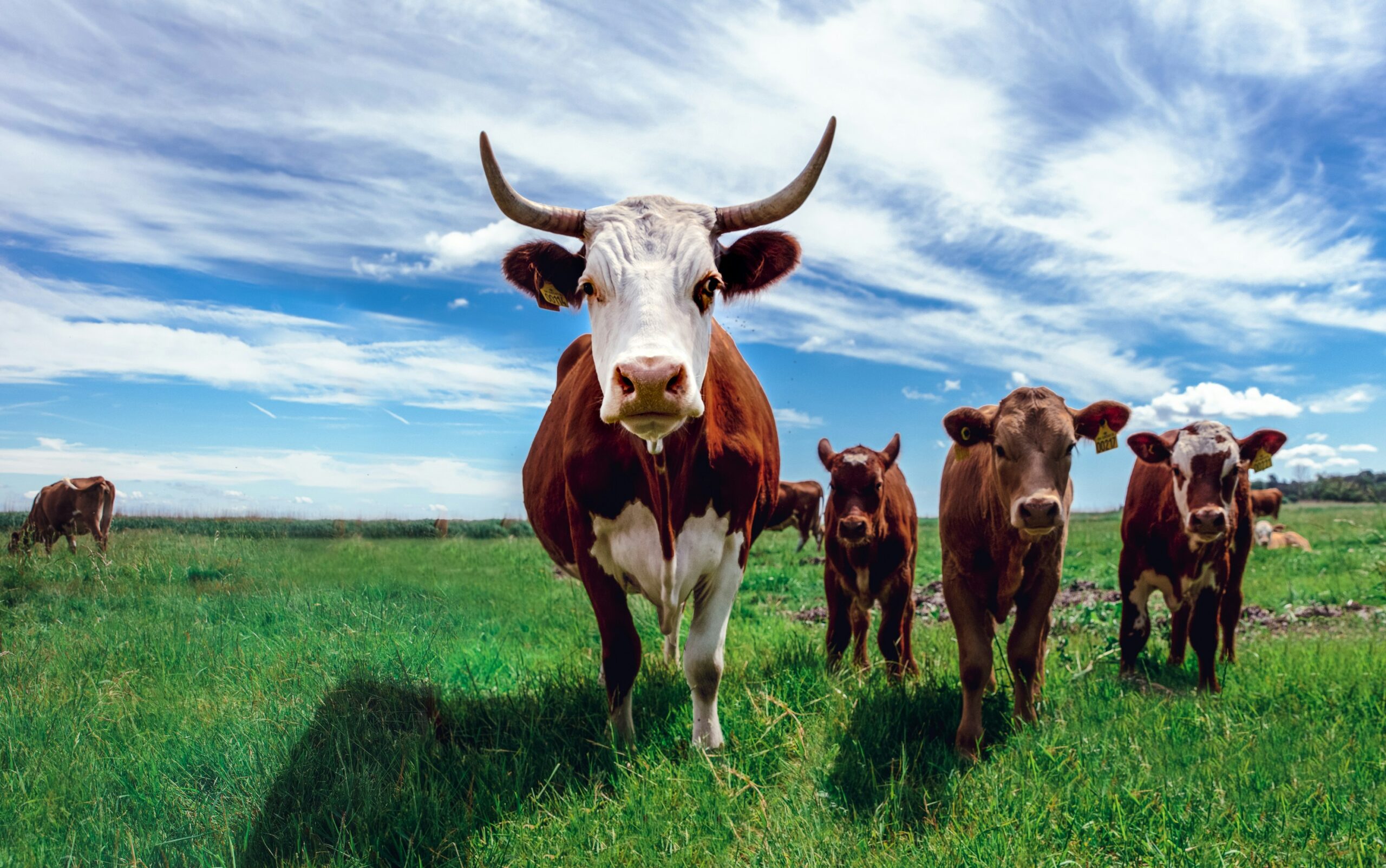
A US beef industry group campaigned against established science on the role of cows in climate change, a new study says.
Examining documents from 1986-96, US researchers found the group’s tactics included commissioning academic experts to produce favourable stats.
There was no evidence it considered options to cut the climate impact of beef – instead, it mounted a public relations campaign questioning global warming and the science around methane from cows.
The Science Media Centre asked NZ experts to comment.
Dr John Kerr, Senior Research Fellow in the Department of Public Health at the University of Otago, Wellington, comments:
“It might not be surprising to some that in the 1980s the US beef sector actively undermined the science showing agriculture was contributing to greenhouse gas emissions. Industry attacks on climate science have been well documented in the years since. The book Merchants of Doubt, first published in 2010, remains one of the most well-researched and written examinations of the corporate climate denial playbook.
“This new study is a very detailed historical examination of one industry group’s efforts to derail climate science and avoid accountability for the agricultural sector. While the events in question happened more than 30 years ago, we should not assume that these interest groups have cleaned up their act. Such manipulation is still apparent today. For example, last year, investigative journalists uncovered an extensive meat industry PR campaign against the science behind the Planetary Health Diet which encouraged eating less carbon-intensive foods like red meat.
“Many of the tactics documented in this new research have also been used by the farming lobby here in Aotearoa New Zealand, although perhaps not to the same extent. Industry groups here do (now) generally recognise the reality that agricultural emissions, largely methane, contribute to climate change. And they have a legitimate role to play in informing policy decisions on how we as country tackle climate change.
“But there also examples of agricultural interest groups that have launched personal attacks on scientists and commissioned questionable counter-research. We need to be mindful that industry groups represent businesses which have a focus on generating profit. Where science challenges their ability to do that by highlighting the health or environmental impacts of their actions, they may respond with attempts to undermine the science rather than address the problem.
“Fortunately the impact of lobby groups on public policy is becoming more apparent to the public and appears to be emerging as a key election issue. Several parties have already outlined what actions they would take to reduce the influence of lobbying.
“One interesting final point about this new study is that it relied archival documents that had been buried away in boxes for decades. The researchers had to dig through hard copies of records by hand to unearth evidence of the National Cattlemen’s Association’s efforts to undermine science and sway public opinion. In world where AI seems to be able to tell you everything in the blink of an eye, there are still digital blindspots.”
Conflict of interest statement: “None to declare.”