From toxic play sand to a company promising to bring back the moa, 2025 has been a year of big science stories.
We watched as a national park went up in flames, gladiator sports made a comeback, and waves arrived from one of the strongest earthquakes on record. The science sector got a shakeup, a satellite went dark while a telescope came online, and some controversial health and climate policies were set in NZ and the US.
Here are our picks for some of the most significant science stories that made the headlines. Feel free to republish or re-purpose this article.
DE-EXTINCTION DEBACLE
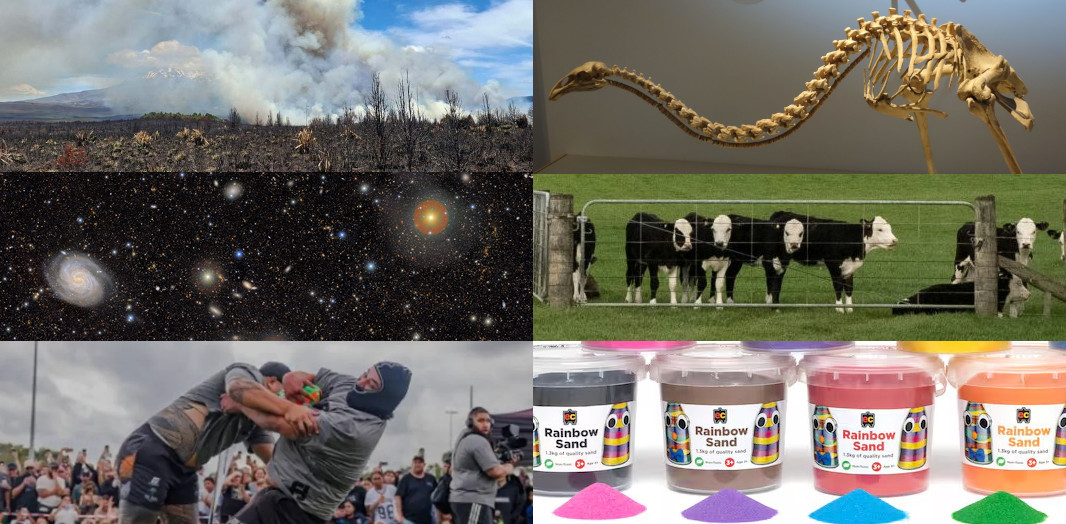
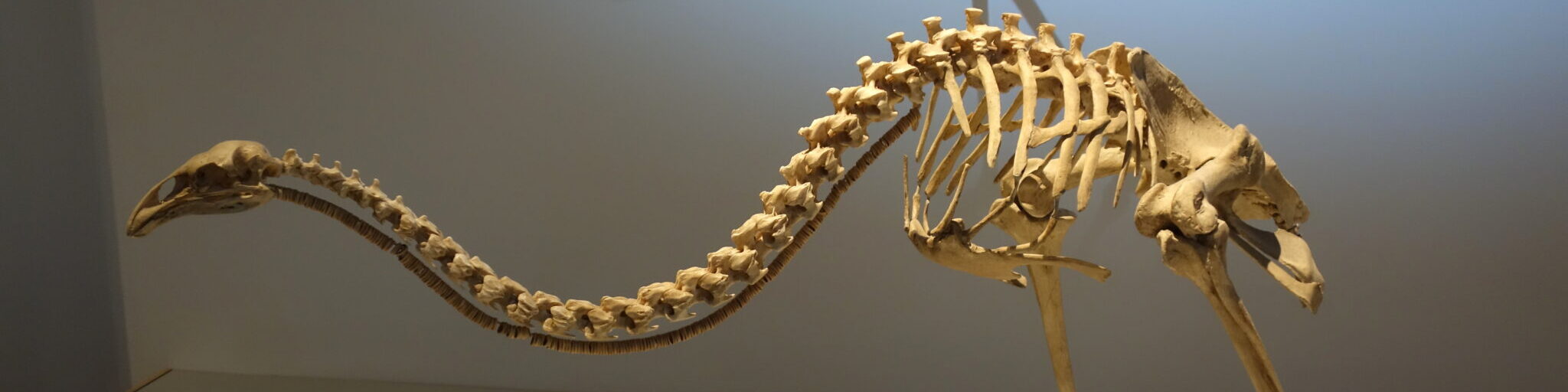
Mammoths, dire wolves, dodos, even the moa – one US startup valued at US$10 billion is promising to bring them all back. But most experts from Aotearoa say “if it sounds too good to be true, it likely is.” Colossal Biosciences flung the term “de-extinction” into the public spotlight with a front-page media campaign, bringing together celebrities, fluffy pups, and Game of Thrones, to support the claim they’d successfully resurrected the ancient American dire wolf. However, experts said it was more accurate to call them GMO grey wolves, or a hybrid animal. So when the company announced it wanted to do the same with the giant moa of Aotearoa, eyebrows rose a notch higher.
Some scientists said there was a bigger story behind the flashy de-extinction news – that Colossal was using its genetic technologies to help save endangered species from the brink of extinction, like the red wolf. However, even that tech will likely still prove tough for New Zealand to utilise, as our birds diverged tens of millions of years ago from other species.
More from the SMC: Company claims to have “de-extincted” the dire wolf – Expert Reaction; Moa “de-extinction” plans announced – Expert Reaction; Is gene editing the next frontier of conservation? – Expert Reaction
CLIMATE REVERSALS
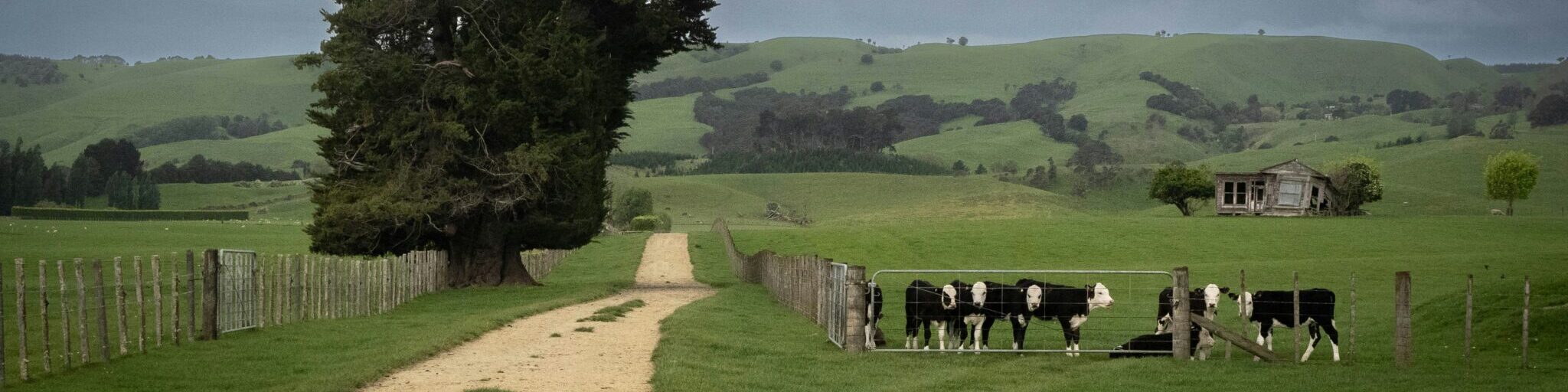
A trend of scaled-back greenhouse gas emissions policies emerged this year in New Zealand. In January, a new 2035 goal was set to reduce greenhouse gases which was labelled by experts as “about as small an advance as the country could get away with.” In February it was signalled that businesses would be rewarded for capturing and storing their CO2 emissions. However, the most promising carbon storage project would be cancelled by the end of the year. In July, just a week after the UN’s highest court found countries can be held legally responsible for emissions, NZ’s offshore oil & gas exploration ban was officially overturned in Parliament. In October, the government went against its Climate Change Commission’s advice, shrinking the 2050 methane targets – and by the end of the year, the rest of the Commission’s advice was officially out the window too. In November, NZ’s Emissions Trading Scheme was uncoupled from our international Paris Agreement commitments. At the same time, the Climate Commission was stripped of its responsibility to advise on emissions reduction plans, doing away with “one of the fundamental reasons for having the Commission in the first place,” according to one climate scientist. Meanwhile, experts gathering in Christchurch urged action to adapt to the cascading risks from climate-fuelled storms, heatwaves, and sea-level rise.
More from the SMC: What to expect from NZ’s new climate goals – Expert Reaction; New Aotearoa climate goals announced – Expert Reaction; Carbon capture and storage in Aotearoa – Expert Q+A; Offshore oil & gas exploration ban set to be overturned – Expert Reaction; NZ’s new targets to manage its methane emissions – Expert Reaction; NZ’s first Climate Adaptation Framework – Expert Reaction; NZ’s climate law to change – Expert Reaction; Shipping and aviation emissions excluded from NZ’s climate targets – Expert Reaction; NZ’s first Climate Adaptation Framework – Expert Reaction; Adapting to NZ’s extreme climate futures – Media Briefing
THE “DANGEROUS SPECTACLE” OF TACKLE GAMES
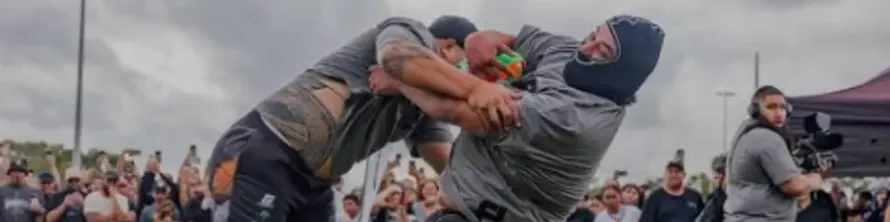
Brain injury and sports safety experts looked on in horror as the “gladiator sport” Run It Straight swept across social media, with events soon scheduled around New Zealand. The game challenges two participants to run at each other head-on, with massive collisions nearly five times the force of a professional boxer’s punch. One event in Auckland left a quarter of participants concussed, and when a Kiwi teenager died in a backyard version of the game, experts called it an “incredibly sad – but unfortunately foreseeable – loss of life”. While the event has since gone relatively quiet in Aotearoa, it has continued to pop up around the world, most recently in the United States.
More from the SMC: Teen dies after controversial tackle game – Expert Reaction; ‘We witness the aftermath’ – NZ trauma experts call to end ‘Run It Straight’ – Scimex
TRUMP VS SCIENCE
When US president Donald Trump put longtime purveyor of vaccine misinformation Robert F. Kennedy Jr in charge of the country’s health system, it wasn’t long until official health advice started to change towards his discredited views. Immunisation advisory committees repopulated with vaccine skeptics voted to change national guidance on childhood vaccinations. RFK Jr. also directed a massive research effort towards finding the ’cause’ of autism, culminating in a bizarre press conference where Trump pointed to paracetamol use in pregnancy as the culprit. The lack of evidence behind the announcement prompted some strong reactions from experts here, calling the pair a “bunch of idiots” and the claims “utter nonsense“. The Trump presidency has also overseen some deep cuts in US science funding, affecting research collaborations and crucial scientific data used here in Aotearoa.
More from the SMC: Trump’s science spending cuts – Expert Reaction; Several US-based environmental science databases to be taken down – Expert Reaction; Defunding of mRNA vaccine research in the US – Expert Reaction; Changes to childhood vaccine recommendations in the US – Expert Reaction; Trump’s autism and paracetamol comments disputed – Expert Reaction
MASSIVE KAMCHATKA QUAKE REACHES NZ SHORES
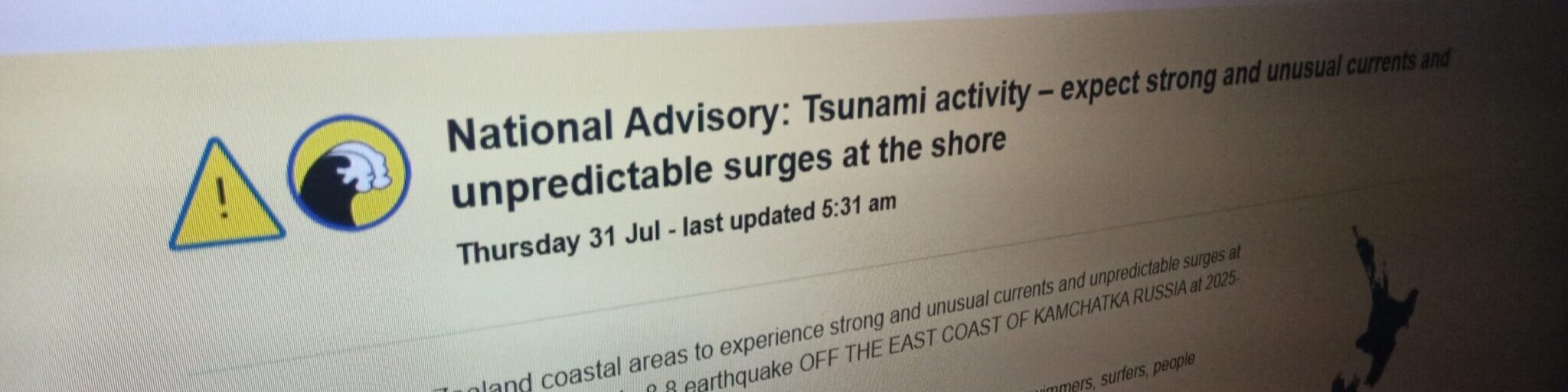
The strongest earthquake in a decade rocked a Russian peninsula and sent tsunami fears across the Pacific, including Aotearoa. In July, the magnitude 8.8 quake struck off the eastern coast of the Kamchatka Peninsula, becoming the sixth-strongest ever recorded on seismometers. The previous day, NASA had added an AI component to its systems, allowing scientists to track the resulting tsunami in near real-time through the disturbances it caused in GPS signals in the upper atmosphere. The following day, New Zealanders awoke at 6:30 am to a tsunami alert blaring from their phones, warning people to stay away from the coasts. However, a glitch also resulted in some people receiving the alert multiple times, or not at all.
More from the SMC: Magnitude 8.8 quake east of Russia – Expert Reaction; NZ’s early morning tsunami alerts – Expert Reaction
Photo: Karollyne Videira Hubert
PUBERTY BLOCKERS BLOCKED
In November the government halted new puberty blocker prescriptions for youth with gender dysphoria. The medications have been used to delay puberty, giving time for affected youth to explore their gender identity. While existing prescriptions can continue, no new ones will be issued until at a publicly-funded clinical trial in the UK is completed – at least six years away. A range of medical professional societies, including paediatrics, psychiatry, and endocrinology, took issue with the decision’s lack of focus on clinical evidence and expert medical judgement. Independent experts supported more research into the medications, but said “an outright ban is not justified by the state of the science,” and raised questions of political interference in what should be a medical decision.
More from the SMC: Government halts new puberty blocker prescriptions – Expert Reaction
Photo: Department of Conservation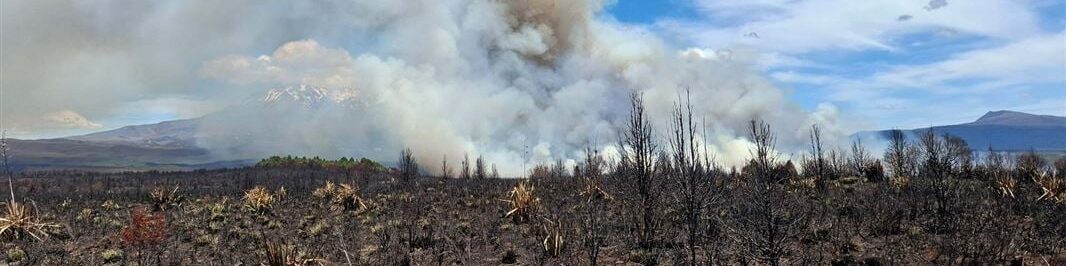
TONGARIRO ABLAZE
Nearly 3000 hectares of conservation land were scorched by a massive fire, disrupting the native creatures and habitats of Tongariro National Park. The area is home to some incredibly rare native plants, including a recently discovered cress only known to grow in two locations on the flank of Mt Ruapehu, one of those being merely a tiny patch under a waterfall. Researchers are worried the plants that grow back first after the blaze will be even more flammable, warning of a “weedy fire trap” where fire begets fire, locking the landscape into a cycle of burning. “No one wants to watch their taonga burn and stories be lost,” one indigenous fire expert said. But less than a month later, as another set of blazes tore through the National Park, all they could do was watch.
More from the SMC: Tongariro’s unique ecosystem up in flames – Expert Reaction
RESEARCH SECTOR NIP, TUCK, AND SHAKE-UP
2025 opened with an announcement of the largest reforms to NZ’s science sector in over three decades. The familiar Crown Research Institutes like NIWA and AgResearch are being replaced with four Public Research Organisations, focusing on bio-economy, earth sciences, health & forensic sciences, and advanced technologies. Budget time was called a “shuffling of the deckchairs” and “taking from Peter to give to Paul” by researchers. It was clarified that the money to pay for the science reforms, a science advisory council, a gene tech regulator, and part of the advanced tech institute, would be pulled out of the long-term budget for frontline science research funds like the Marsden Fund and Health Research Fund. The latter half of the year saw announcements that the those now-smaller research funds will be administered by one board, and a roadmap for reforming the tertiary education sector will simplify the controversial Performance Based Research Fund.
More from the SMC: Reforms to NZ’s science sector – Expert Reaction; New Prime Minister’s Chief Science Advisor and Council revealed – Expert Reaction; Budget 2025: Science system funding – Expert Reaction; Further cuts fund new tech institute – Expert Reaction; University sector changes announced – Expert Reaction; Big shakeup for NZ’s research funding – Expert Reaction
Photo: NSF–DOE Vera C. Rubin Observatory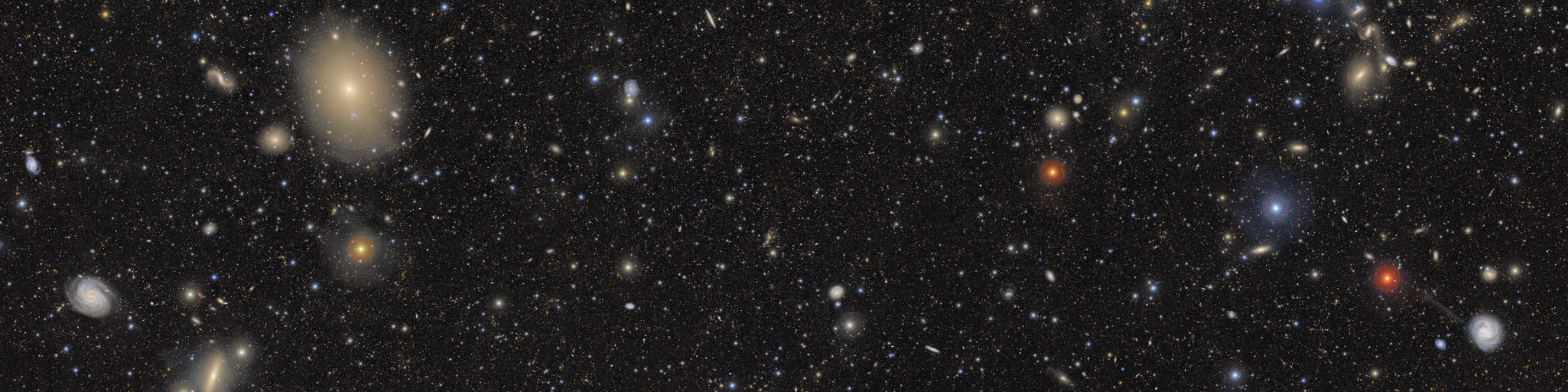
SPACE HIGHS AND LOWS
At $32 million, MethaneSAT was New Zealand’s largest investment in space tech so far – but in June the methane-tracking satellite lost contact with the ground. The previous month it was reported that increased solar activity was sending the satellite into ‘safe mode’, and one astrophysicist said it’s not surprising when craft fail in the “unforgiving” environment of space. However agricultural methane researchers said the satellite had given them a “wealth of data” that they will be able to use to continue their work.
We also gained a super-powerful telescope this year. The Vera C. Rubin telescope in Chile has the world’s largest camera inside it, and its first glorious images have been released to the public. While space telescopes like Hubble and James Webb are designed to look deeply into space, Vera Rubin will look broadly across the Southern sky, detecting most of the tiny rocks in the solar system and helping us understand how quickly the universe is expanding. Researchers here in Aotearoa are especially excited as our telescopes will be first in the world to follow up on anything significant the Vera Rubin camera sees.
More from the SMC: NZ-funded climate satellite likely “not recoverable” – Expert Reaction; First pics from Vera C. Rubin telescope, the largest camera in the world – In the News; Gravitational wave study confirms NZ scientist’s black hole theory – Expert Reaction
ASBESTOS IN PLAY SAND
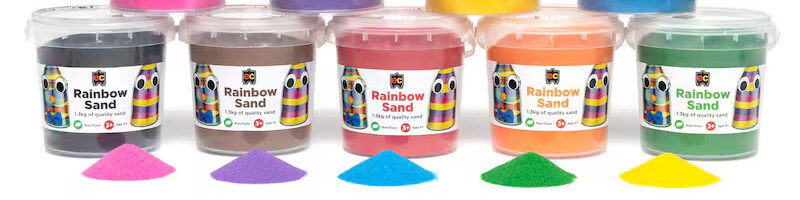
A fluke discovery of cancer-causing fibres in children’s play sand has prompted a wave of recalls across New Zealand, leaving parents and schools scrambling to clean up some difficult messes. The types of asbestos found in the play sand are less hazardous variants; however, all types of asbestos can cause lung issues and cancer. A toxicologist says that once the extent of the exposure is known, children may need to have their health monitored on an ongoing basis. One legal expert said it’s not surprising that a banned substance was imported, as most products are never inspected or tested due to the high number of imports.
More from the SMC: Asbestos-contaminated kids’ play sand recalled – Expert Reaction