Forty animals, including several types of seabirds and sharks, will gain protection under the UN Convention on the Conservation of Migratory Species.
Participating countries at the meeting in Campo Grande, Brazil, also agreed to work together on improving the conservation statuses of 15 protected animals.
These include species found in NZ, like the Antipodean albatross, flesh-footed shearwater, and manta rays.
The SMC asked NZ experts to comment. Preview commentary from earlier in the conference is available here.
Associate Professor Phil Battley, Zoology and Ecology Group, Massey University, comments:
“The comments about the pressure on the East Asian-Australasian Flyway in the interim report are broadly true for the migrants we have in NZ (Red Knots in particular) but it seems that the highlighted outputs of the COP for NZ involve seabirds rather than shorebirds.
“Antipodean albatross is crucial, as this only breeds in New Zealand and its population is seriously imperilled.
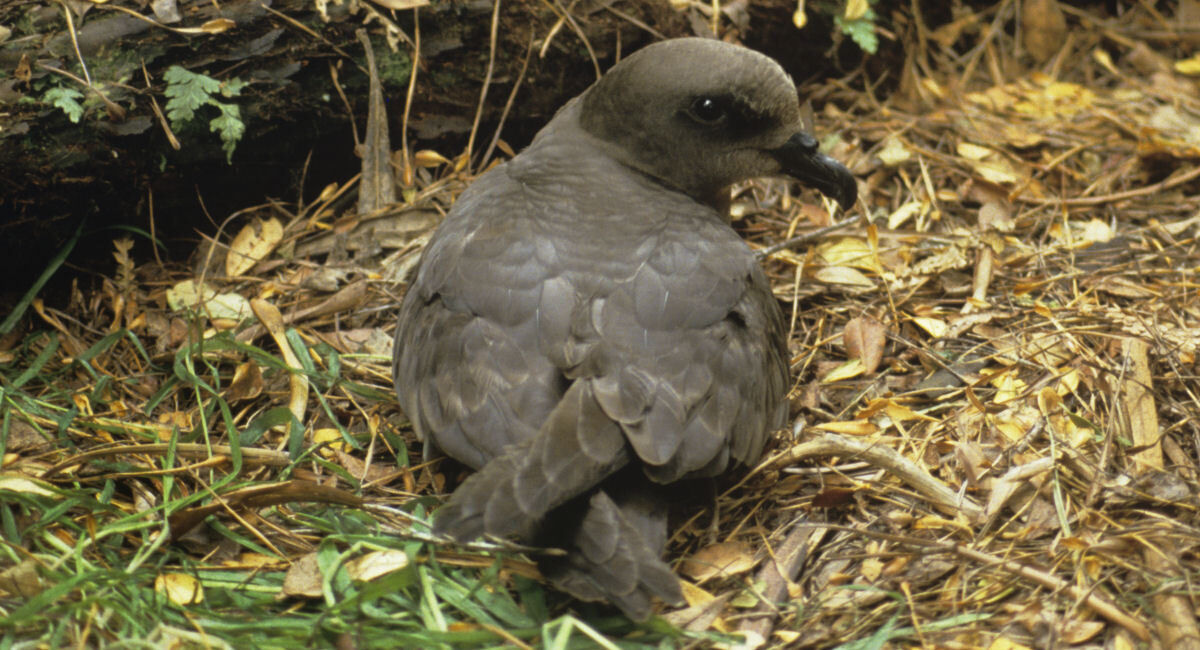
“It also seems as if Magenta Petrel (Chatham Island Taiko) has been added to Appendix 1, along with a range of other Pterodroma petrels. This is the species that was thought to be extinct and rediscovered in 1978, and has been intensively managed ever since to get the population growing – there are still only a couple of hundred individuals.”
Conflict of interest statement: “No conflicts.”
Graeme Taylor, Principal Science Advisor, Department of Conservation, comments:
See media release from DOC here.
“Gadfly petrels are among the rarest seabirds in the world. They’re named for their speedy, erratic, and weaving flight pattern, which resembles the behaviour of gadflies – biting insects that pester livestock.”
“Unfortunately, gadfly petrels also face many threats at their breeding sites and on their migratory paths, such as invasive species, habitat loss, climate change and light pollution.
“We have a special interest in them because five of the now-listed gadfly petrel species breed on New Zealand’s offshore islands, notably the critically threatened Chatham Island taiko, with fewer than 200 mature individuals left.”
Conflict of interest statement: No statement received.
Dr Juli Gaviraghi Mussoi, Lecturer in Animal Behaviour at the University of Waikato, comments:
“Migratory animals are species that move seasonally, often across extraordinary distances, to find food, mates, or suitable climates, and many return to the same locations year after year, sometimes across generations. Because these species rely on healthy habitats spread across continents and oceans, national borders have no meaning to them, and their survival depends on the quality and safety of every stopover, feeding ground, and breeding site along the way.
“Migration is one of the most challenging stages of an animal’s life. Birds, sharks, whales, and other migrants expend huge amounts of energy, and any disruption, such as habitat loss, bycatch, or climate‑driven shifts in food availability, can have dramatic consequences. The Convention on Migratory Species has shown how serious these challenges are, with almost half of the migratory species in the list now declining and many facing growing threats.
“By increasing protection for these 40 species and looking after the places they travel through, this decision helps not only the animals on the list but also many others that share the same habitats. For Aotearoa New Zealand, where many migratory seabirds and marine animals spend parts of their lives, this decision will directly support the health of many of our taonga species.”
Conflict of interest statement: “No conflict of interest.”
Nick Ling, Associate Professor in Biodiversity and Ecology, University of Waikato, comments:
“The inclusion of a further forty species to the Convention on Migratory Species (CMS) is a sobering reminder that the state of nature continues to decline and more species face existential threats.
“While it is encouraging that such a large number of countries and territories are signatories to the convention, and that more species are afforded protection under this convention, the very nature of migratory species is that their ranges often extend beyond national boundaries. The protections afforded by signatory countries may be useless if species migrate to or through countries that do not provide the same protections. In the case of New Zealand, many of our migratory birds travel to regions of the world where major countries are not signatories to the Convention (Russia, Canada, China, USA).
“Even when a country such as New Zealand is a signatory to this Convention, at a national scale that does not necessarily reverse the decline in migratory species. For instance, a large proportion of our freshwater fish are migratory between marine and freshwater habitats, yet in the past decade many of these species have continued to decline in abundance.
“The latest assessment of threats facing freshwater fish published by the Department of Conservation in 2025 shows significant declines in the status of some of our most common migratory freshwater fish (inanga and common smelt), and a species once so abundant that it was harvested and exported by the tonne is now classed as nationally critical (Stokell’s smelt), not because of overharvesting but probably because of the parlous state of lowland Canterbury rivers.
“Unfortunately, designating such a species as nationally critical does not afford it any greater level of protection and we watch as these species continue their seemingly inexorable slide towards extinction. We can only hope that same fate does not befall many of the species listed on CMS Appendix 1 and that their inclusion on this list may help to reverse their decline.”
Conflict of interest statement: “No conflicts of interest.”