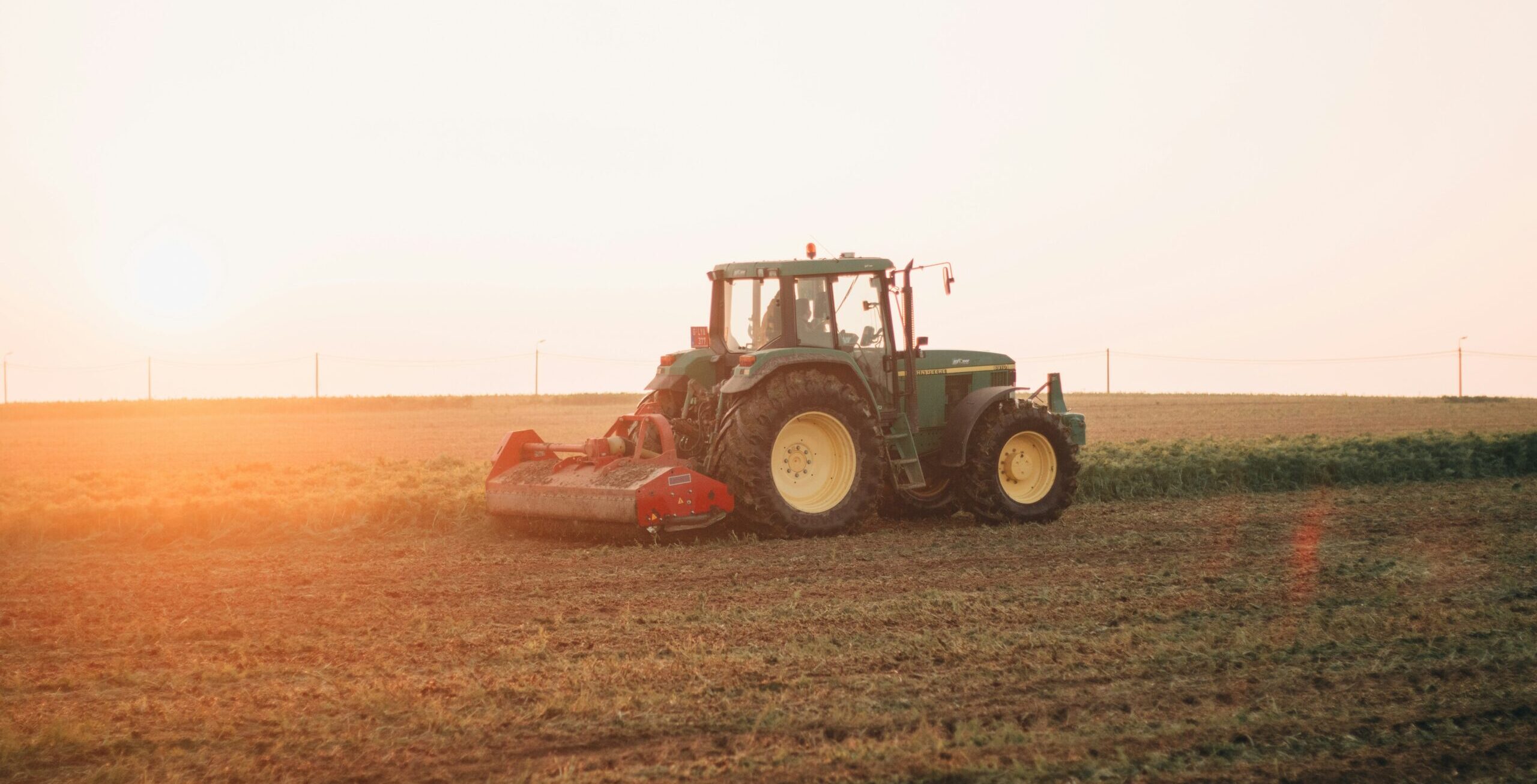
As diesel supplies fall and prices soar, NZ’s primary industries like farming and forestry will feel the strain, experts say.
The SMC asked experts to comment on the impact of diesel shortages and how NZ could potentially work around them.
Emeritus Professor Ralph Sims, Sustainable Energy and Climate Mitigation, Massey University, comments:
“Diesel engines provide energy for heavy transport, construction vehicles, forest harvesters, farm tractors and crop harvesters, off-grid electricity generators on islands etc. If diesel fuel becomes constrained, under a worst case scenario some form of rationing may have to be imposed and priority uses identified – a challenging task.
“During the oil shocks of the late 1970s, farmers in Southland ran their tractors and harvesters on locally grown vegetable oils – it works as an emergency fuel to get the crops harvested but without chemical treatment to form “esters” such raw fuels can cause engine damage especially in cold conditions. Farmers elsewhere produced ethanol from cereal crops (a bit like home-brewing beer) to use in petrol blends. Biodiesel esters can also be produced from inedible animal fat (called tallow), a by-product from the meat industry.
“In the 1970s, NZ exported a similar volume of tallow to our total diesel demand. A major research programme at Massey University at the time confirmed biodiesel was a safe fuel and could be blended with diesel at any proportion as a ‘drop-in biofuel’.
“Forty years later, Z Energy built a biodiesel plant in Wiri and then added a 5% blend to their diesel. The plant was mothballed when the export price of tallow made it no longer competitive. Whether the plant can be resurrected to produce biodiesel for emergency purposes, should we ever reach that stage of poor supply, is uncertain but worth investigating now. I suspect Z Energy are doing just that.”
Conflict of interest statement: “No conflicts.”
Dr Murat Üngör, Department of Economics, University of Otago, comments:
“The tightening of global diesel stocks poses a systemic threat to New Zealand’s economy, starting at the foundation of our farming and forestry sectors. Diesel drives primary production, powering everything from tractors and harvesters to the delivery of essential inputs like fertiliser.
“For farming, the consequences are immediate: with rural fuel deliveries reportedly running weeks behind schedule, the sector faces a double squeeze where both tightening supply and rising costs erode margins simultaneously.
“Forestry faces an equally direct hit. Logging trucks and processing equipment are entirely diesel-dependent, and the sector has little capacity to absorb sustained supply interruptions.
“These primary sector pressures quickly ripple into food price inflation, the most widely felt consequence for ordinary New Zealanders. Diesel underpins every stage of the food system, from milk tankers and refrigeration to the final delivery to supermarket shelves. While major retailers have attempted to absorb these costs, such a position is unsustainable. We should expect food price inflation to outpace general inflation in the months ahead, building on an already strained baseline.
“Beyond farming and food, the transport and construction sectors are also acutely exposed. Every truck on the road and every diesel generator on a building site faces the same cost pressures.
“The deeper vulnerability lies in our fuel security architecture. Since the 2022 conversion of Marsden Point to an import terminal, New Zealand has surrendered its domestic processing capacity, becoming entirely dependent on refined products shipped from Asian refineries. These refineries are themselves reliant on Middle Eastern crude, meaning any disruption to Gulf supply routes—such as tensions in the Strait of Hormuz—travels the full length of the chain to the New Zealand farm gate.
“While countries like South Korea have responded aggressively, including by holding discussions with Saudi Arabia and Oman on bypass pipelines and offshore storage facilities outside the Strait of Hormuz to mitigate blockade risks, New Zealand remains very exposed. Without comparable strategic arrangements or domestic refining as a buffer, we are effectively price takers on the global stage, left to manage the domestic fallout of international volatility with very few levers to pull.”
Conflict of interest statement: “No conflict of interest. Murat Üngör does not work for, consult for, own shares in, or receive funding from any company or organisation that would benefit from his views, and has disclosed no relevant affiliations beyond his academic appointment.”
Peter Hall, Bioeconomy Science Institute Maiangi Taiao Team Lead – Process Development, comments:
“Our forestry industry relies heavily on diesel for harvesting, haulage and processing operations, leaving it particularly exposed to supply disruptions and price volatility. The Bioeconomy Science Institute Maiangi Taiao’s bioenergy research is focused on easing that pressure by developing locally produced, renewable energy options.
“This research consistently shows New Zealand has enough woody biomass feedstock to displace all coal currently used. Wood can also be used to make liquid fuels such marine, jet and diesel as well as process heat and electricity. It can also be made into a natural gas substitute.
“By turning forestry residues, wood waste and other biomass into usable energy and low‑emissions fuels, our work helps create alternatives that are already embedded within the forestry value chain. These options can reduce dependence on imported fossil fuel supply chains and help forest operators maintain continuity during diesel shortages or disruptions.
“Strengthening domestic bioenergy capability builds resilience for the forestry sector and for New Zealand as a whole. By investing in bioenergy solutions that use renewable resources we already have, we can lessen the impact of global fuel shocks, keep critical forestry operations moving and support a more secure, low‑carbon future for the industry.”
Conflict of interest statement: “No personal conflict of interest. However, the Bioeconomy Science Institute Maiangi Taiao is undertaking commercial contract work in the bioenergy space.”
Dave Karl, Director of Policy, Research & Data, Rewiring Aotearoa, comments:
“Prior to the fuel supply crunch, New Zealanders were spending about $40 million every day at the pump. This has now increased to about $65 million a day. At ‘normal’ consumption levels, this works out to an additional $723 million per month on petrol and diesel, with $491 million of this on diesel.
“Diesel has more than doubled in price since the conflict started and is now hovering around $4 a litre, putting significant pressure on sectors that rely on it, like trucking, construction and agriculture. Currently, owners of diesel utes are paying a ‘fuel crisis premium’ of around $3,000 extra every year.
“While the majority of light vehicle fuel consumption is petrol, 1/3 is still diesel from most of our utes and vans, so electrifying these light commercial vehicles would significantly reduce our current diesel demand.
“Combining the reduced diesel demand from easier-to-electrify light vehicles and the increased storage capacity from reduced petrol demand, diesel storage capacity could be increased significantly for our harder-to-electrify sectors. Our analysis shows that 170,000 electric vehicles would give us one day of additional liquid fuel storage and electrifying 25% of the vehicle fleet would equate to an additional seven days.
“The Machine Count, released in 2025, was the first complete inventory of all the fossil fuel machines in New Zealand. It found there were over ten million of them in the country and the increased costs to run them will flow through the entire economy. 84% of them could be feasibly and economically replaced with electric machines available in the country today, so we should be using this crisis as an opportunity to plan better and switch to New Zealand-made energy.”
Conflict of interest statement: “Rewiring Aotearoa’s work is primarily funded by New Zealand philanthropists, with a small chunk of funding generated through specific projects and donations from supporters in the community. It is fiercely independent, and completely self-determining in its work.”
Professor Barry Barton, School of Law, Politics and Philosophy, University of Waikato, comments:
“Some uses of diesel are hard to substitute: heavy trucks, tractors and earthmoving machinery, for example. But a lot of diesel vehicles on the road, when it comes time to replace them, could be replaced with more fuel-efficient petrol vehicles or electric vehicles – we are seeing electric pickup trucks and buses now. Even where diesel is still being used, there are opportunities to replace limited amounts with hydrogen. In the longer term, we can ask whether we can use rail and coastal shipping more effectively for long-haul transport.
“Let’s also remember that reductions in diesel use can lead to better health outcomes; if diesel engines are not well adjusted the small carbon particles they emit are not good for our lungs.”
Conflict of interest statement: “No conflicts.”