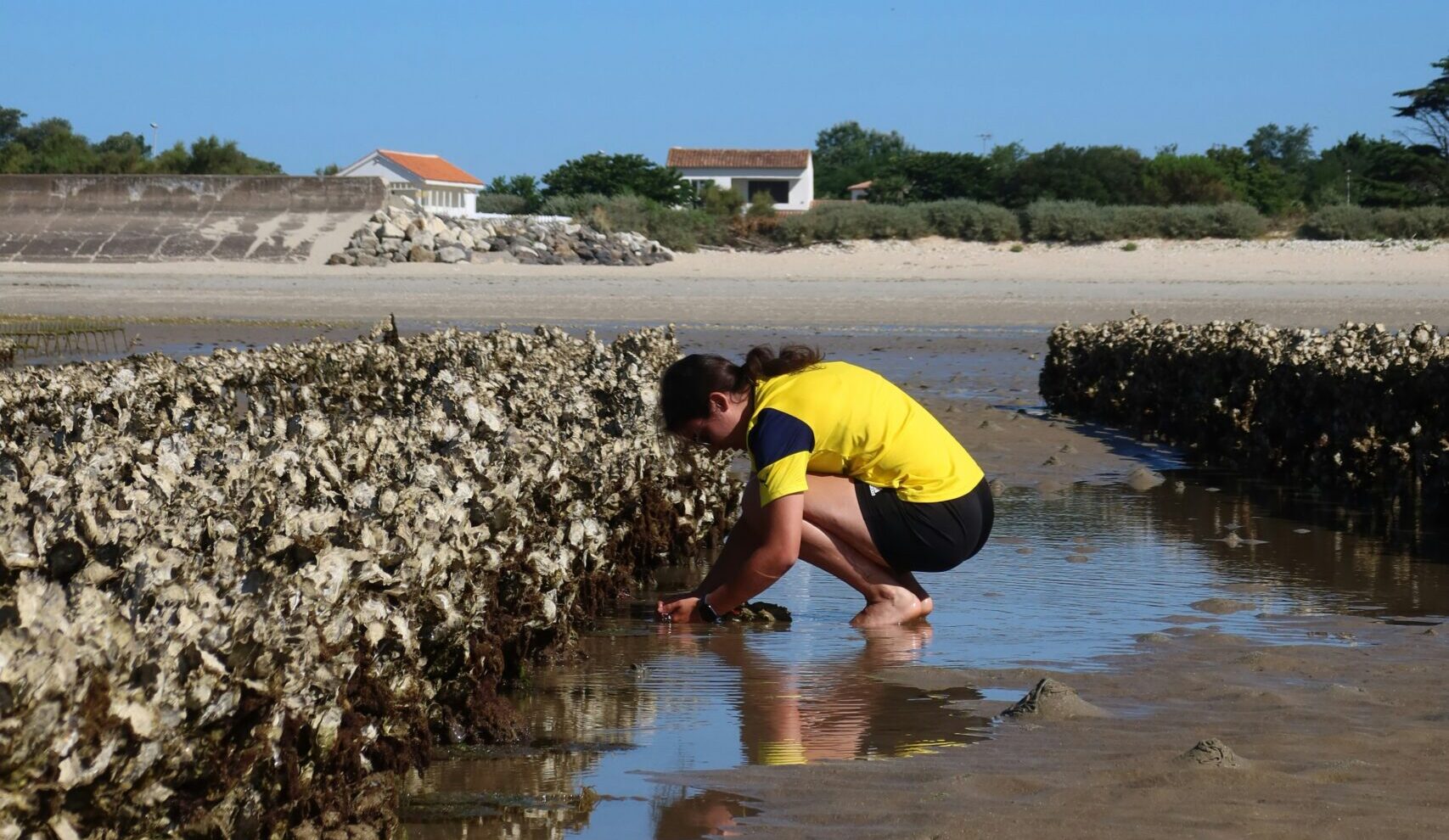
Experts say that increasing heavy rainfall events in NZ are affecting the safety of our kaimoana.
Following the weekend’s heavy rain, the SMC asked experts to comment.
Dr Joanne Hewitt, Science Leader: Enteric, Environmental and Food Virology, PHF Science, comments:
“Significant rainfall events can cause wastewater overflows that discharge untreated or inadequately treated wastewater, containing high levels of pathogens, into shellfish‑growing waters. Increasing rainfall intensity, combined with ageing wastewater infrastructure and growing populations in some coastal areas, further elevates the likelihood of contamination events. Of particular concern is norovirus, a common and highly infectious cause of gastroenteritis affecting people of all ages.
“Bivalve shellfish, such as mussels and oysters, are highly efficient at concentrating norovirus from their growing waters. Studies, including those undertaken in New Zealand, have shown that even low levels of contamination can result in illness, and the virus can persist in shellfish tissues for many weeks after contamination has occurred, well beyond the period when water quality may appear to have recovered. Light cooking, washing/rinsing, or other common food preparation practices associated with shellfish are also unlikely to be sufficient to inactivate norovirus, noting that oysters are commonly eaten raw or lightly cooked. While norovirus is a key concern, shellfish may also be contaminated with other pathogenic microorganisms that pose risks to human health.
“To protect public health, commercial shellfish harvesting is restricted following rainfall events. While these controls are effective in reducing illness risk, they can result in frequent or prolonged harvest closures, leading to significant economic impacts for industry. These risks also extend to recreational and customary shellfish gathering by iwi. Recent rainfall or wastewater overflow events may not always be readily apparent, increasing the risk of collecting contaminated shellfish. Observing rāhui, alongside adherence to public health advice and local council guidance, is critical to protecting public health.”
Conflict of interest statement: “I have no conflict of interest in this matter. PHF Science participates in the Seafood Safety Research Platform led by Cawthron Institute, partnering with Bioeconomy Science Institute.”
Graham Fletcher, Principal Scientist, Bioeconomy Science Institute, comments:
“NZ’s recent and increasingly frequent storm events don’t only put lives and livelihoods at risk on land and at sea, but they can also impact the safety of the seafood we consume. Molluscan shellfish, such as the $400 million+ worth of Greenshell™ mussels produced by our aquaculture industry each year, are some of our most iconic kai moana, loved by New Zealand and international consumers alike. Shellfish growers do not have to feed them with expensive feed formulations but they naturally obtain the nutrients that they need by filtering microalgae from our pristine Aotearoa seawater. This is great but it depends on our ability to keep contaminants such as food poisoning bacteria out of our marine waterways.
“After heavy rainfall, land-based contaminants including run-off from agricultural land get washed into the sea. Regrettably, shellfish are just as good at filtering these nasties out of the seawater and concentrating them in their gut as they are at filtering out the nutritious microalgae that normally make up their diet. Bacterial contaminants from animals are quickly purged from the shellfish and do not survive well in seawater. To ensure that this process has been completed, commercial producers are subject to strict regulatory limits whereby they cannot harvest shellfish for several days after heavy rainfall.
“However, as well as run-off from agricultural land, very heavy rainfall can also result in sewage treatment plants and septic tanks being overwhelmed so that raw enters the shellfish growing waters. Here the risks become even more dire. As well as bacteria, sewage contains human viruses such as norovirus and the hepatitis virus. These are much slower to purge from the shellfish, taking weeks and months rather than days. Such sewage contamination events are resulting in whole harbours being closed to commercial shellfish harvesting for months at a time. A prominent example is the Mahurangi Harbour north of Auckland, previously a very productive oyster aquaculture harbour now often out of production.
“We also know that numbers of some food-poisoning organisms that occur naturally in marine waters, like Vibrio bacteria, can dramatically change with changes in salinity. Research is modelling how rainfall patterns affect Vibrio numbers so that seafood companies can manage seafood harvesting safely.”
Conflict of interest statement: “Graham’s research is part of the Safe NZ Seafood platform, funded by MBIE and led by the Cawthron Institute. No conflicts of interest to declare.”