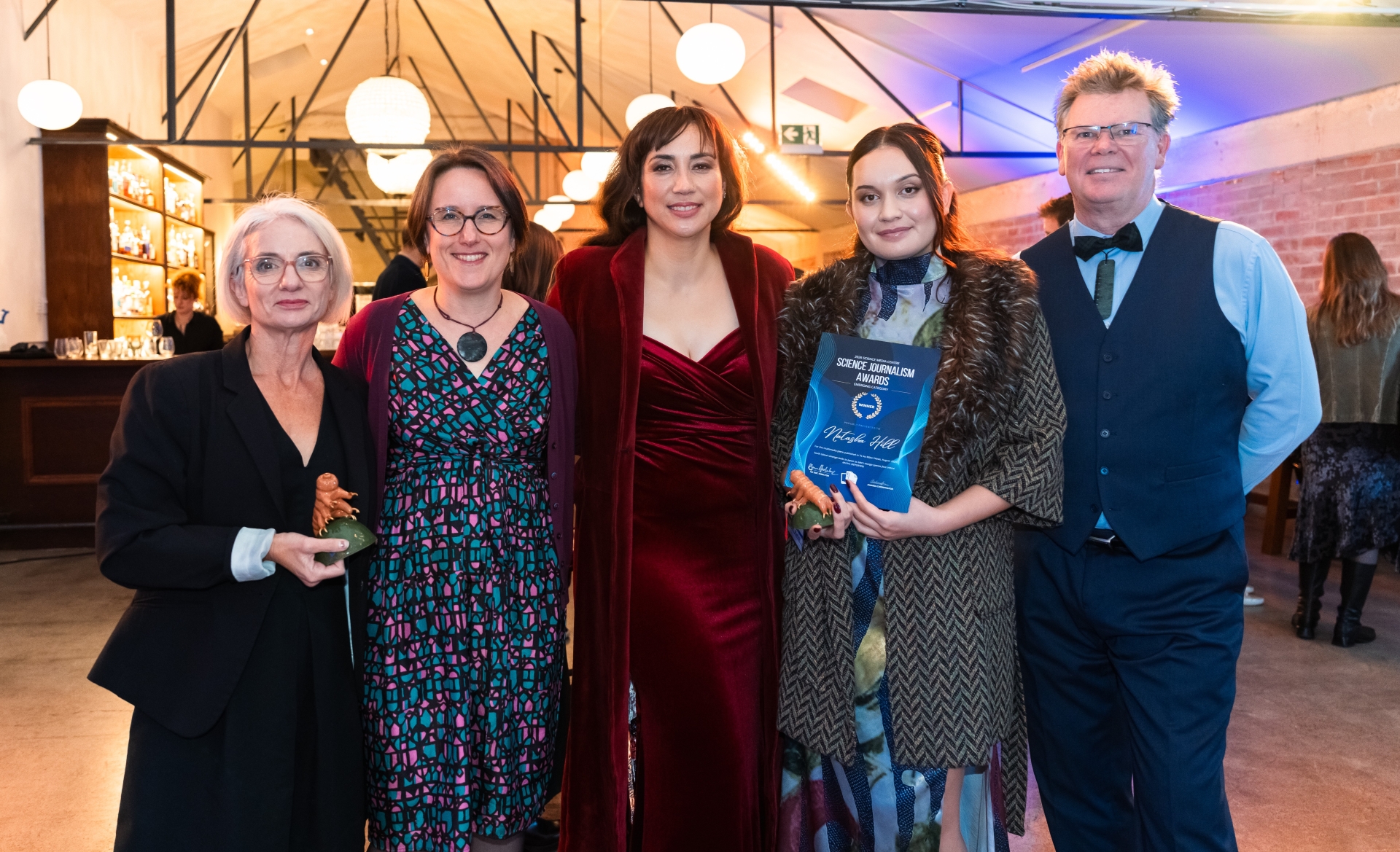
The winners of this year’s Science Journalism Awards have covered the damage feral cats unleash on Fiordland’s wildlife, and an unexpected collaboration between Māori and Japan to save our tuna/eels.
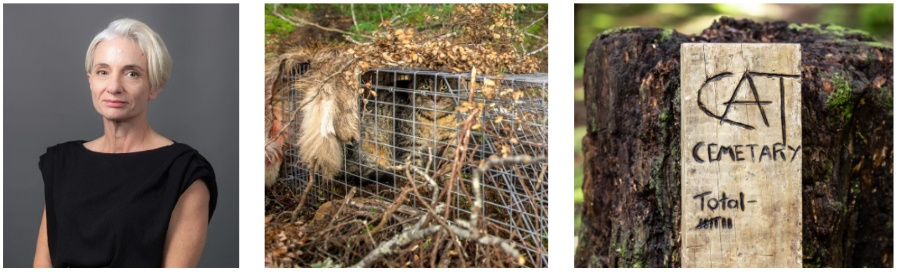
Farah Hancock of RNZ wins this year’s Established science journalist category for her In Depth article, “FERAL: The advance of destructive wild cats across New Zealand’s native heartland”, with photography and video by Cole Eastham-Farrelly.
Farah’s feature documents the tension between amateur trappers and official conservation efforts. It visually shows the confronting reality of feral cat control – as well as what the predators do to the native species they feast on.
Judges said it was a “superbly executed multi-media story”, and it stood out for its impact, as the same week it was published the Government included feral cats as a target of Predator Free 2050.
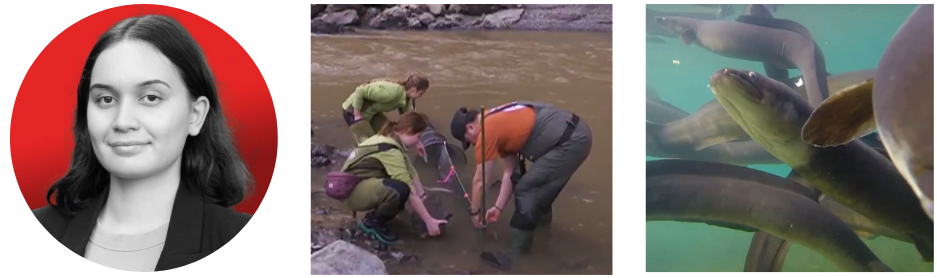
Natasha Hill of Te Ao Maori News wins the Emerging science journalist award for her video story, “South Island rūnanga looks to Japan as lake’s taonga species face critical decline“, with production from Te Rina Kowhai and camera operations by Dougal Laing.
Natasha’s story followed members of the Wairewa Rūnanga to Japan as they learned about how to help tuna/eels migrate. Back home, they built Ko Awa Ika o Wairewa to maintain a 24/7 connection between their South Island lake and the Pacific Ocean.
Our judges said the story was “told incredibly well in words, images and video,” praised the interweaving of te reo Māori interviews, and said that they were “engaged from beginning to end”.
The winners were among a strong group of finalists who covered a wide range of topics like space satellites, pool fences, airborne viruses, and fatigue illnesses.
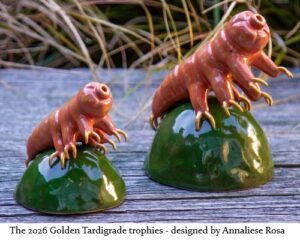
New Zealand Science Media Centre Director Dacia Herbulock says the Science Journalism Awards attracted an impressive range of entries, with a growing number of video, podcast and multimedia features this year.
“It’s such a joy to present these awards,” she says.
“In tough times, it’s even more important to come together to recognise the exceptional work behind these entries. It proves yet again that there is an abundance of talent in New Zealand media working to open up new perspectives on challenging issues.
“We hope these awards inspire more people to dive in and enjoy the excellent science journalism in evidence tonight.”
The Science Media Centre extends its warm appreciation to our judges: award-winning science journalist & NZ editor for The Conversation Veronika Meduna; microbiologist, 2021 New Zealander of the Year & Associate Professor at the University of Auckland Siouxsie Wiles; and Senior journalist, Associate Editor for the NZ Herald & former Chair of the NZME Editorial Advisory Board, Miri Alexander. A big thanks to everyone who took the time to nominate their favourite science journalism for the 2026 round.