Update(18 June 2026): Congratulations to Natasha Hill and Farah Hancock, who took home the Emerging and Established prizes at our third Science Journalism Awards!
The eleven finalists for this year’s Science Journalism Awards, selected from close to 60 submissions, include stories on a lost satellite, the Christchurch health study that shaped national policy, and the pigs, cats, & parasites feasting on our native species.
Our thanks to the 2026 judges for their careful consideration of the shortlist: top science communicator and microbiologist Dr Siouxsie Wiles, science writer and editor Veronika Meduna, and experienced editor and journalist Miriyana Alexander.
Here are the finalists for the established and emerging journalist categories:
Established professionals:

Suffering for greed and stupidity – the controversial changes to fishing in NZ waters
– Gill Higgins (reporter), Rewi Heke (camera), Bleddyn Parry (editor), Paul Deady (producer), TVNZ+
Gill dug into scientific literature as well as fisheries management, court, and policy documents to inform this video documentary that brings together a wide range of perspectives on NZ fisheries. Our judges were especially impressed by the range of interviewees, the use of graphics, and the depth of research.
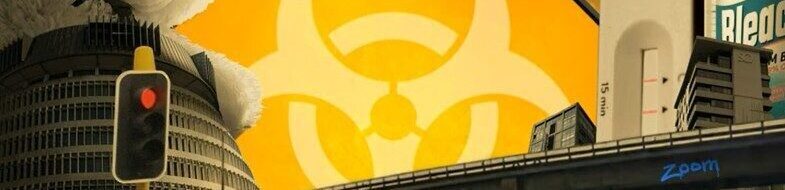
Quarantine Nation: Virus on the Loose
– Adam Dudding and Eugene Bingham, Te Pūrongo Productions, in collaboration with Jack Buchanan (music), Toby Longbottom (editing), Andrew McDowall (mixing), Connor Scott (research), Phil Johnson (graphics), Chris Reed (Stuff EP)
Part of a podcast series reflecting on NZ’s COVID-19 experience, this episode examines detective work by local researchers to show how the virus spread through tiny particles in the air, rather than droplets. Judges commended the “lively and engaging storytelling” as well as the “debunking” of a story of COVID transmission via rubbish bin lid.

One pig. One night. Fifty-six frogs
Rob Suisted (photography), NZ Geographic
Naomi’s feature story covered new research led by conservationists who confirmed wild pigs are a threat to native frogs, and helped secure funding for more research and pig hunting. One of our judges highlighted the “superb writing and incredible (and horrible) images”, saying they show it’s the type of story that can only be told well when a writer and visual journalist are on the ground.
ME/Chronic fatigue syndrome: The mysterious illness trapping people in their bodies
Zoe Madden-Smith, Anna Harcourt (supervising producer), Emily Int-Veen (additional footage & research), Vania Chandrawidjaja (graphics), Re: News/TVNZ+
This documentary brings together compelling personal stories of living with chronic fatigue syndrome with its science and history of misinformation. It led to coverage across NZ media, received millions of views on Re:News and TVNZ+ platforms, and was widely shared here and overseas. One of our judges said Zoe “uses the medium to its very best to tell a really important story.”

FERAL: The advance of destructive wild cats across New Zealand’s native heartland
– Farah Hancock (words), Cole Eastham-Farrelly (photography and video content), Hingyi Khong (design), RNZ
This in-depth feature looking at the impact of feral cats on NZ wildlife stood out to judges for Farah’s observational and writing skills, the “relatable” and “colourful” hunter featured in the piece, and its effective use of multimedia tools.

Failure to Communicate
Rebekah White, Science
Geoengineering could be crucial in the fight against climate change but scientists need to learn how to talk to the public about it. Judges particularly appreciated how Rebekah’s piece demystified the complex issue of climate engineering tech, and examined the relationship between social science and ‘hard’ sciences.
Emerging journalists:
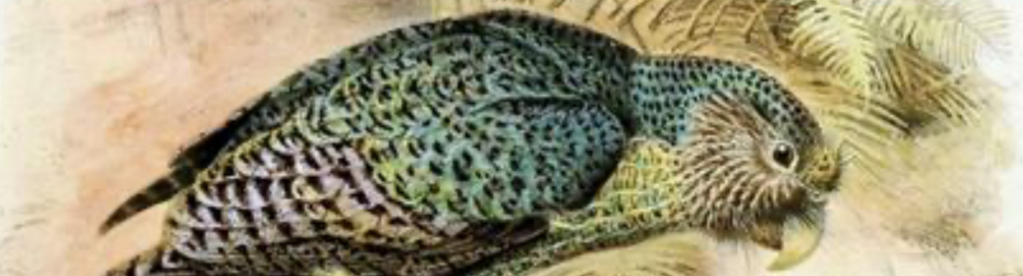
What’s a Native Species Worth?
Dan Moskovitz, Salient
An unexpected outcome of trying to protect endangered native birds like kākāpō from parasites, is that we could wipe out even more endangered native parasites, writes Dan. This piece really resonated with one of our judges, who said it addresses a topic they often ponder on: what species should we be saving, and what about the “icky” ones?
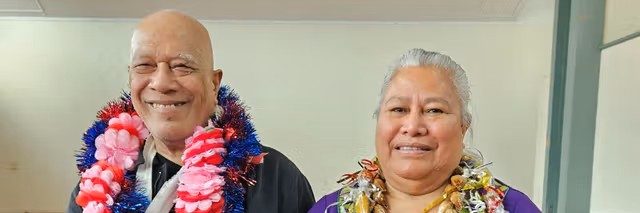
‘Unsung hero’: The woman redefining Parkinson’s support for NZ’s Pacific families
Taelegalolo’u Mary Afemata, PMN
This profile of Aloese Lefono, founder of Aotearoa’s first Pasifika Parkinson’s support group, increased participation in the community group and “contributed to conversations within Pacific families about stigma, isolation and how we talk about neurological conditions,” says Mary. Our judges particularly appreciated its wide impact.
South Island rūnanga looks to Japan as lake’s taonga species face critical decline
Natasha Hill (reporter), Te Rina Kowhai (producer), Dougal Laing (camera operator), Te Ao Māori News
In 2025, a South Island rūnanga travelled to Japan to learn from experts about tuna (eel) conservation, sustainable fishing, and the cultural importance of tuna. Natasha Hill’s bilingual multimedia piece was commended by judges for the interviews in te reo Māori, as well as its uses of images and video.

MethaneSAT Failure: Calls for Auditor-General probe after $30 million dollar loss in space
Lachlan reports on the confusion around the disappearance of a new taxpayer-funded satellite that was meant to boost science and gather methane emission data. Judges highlighted the use of documents obtained under the Official Information Act.
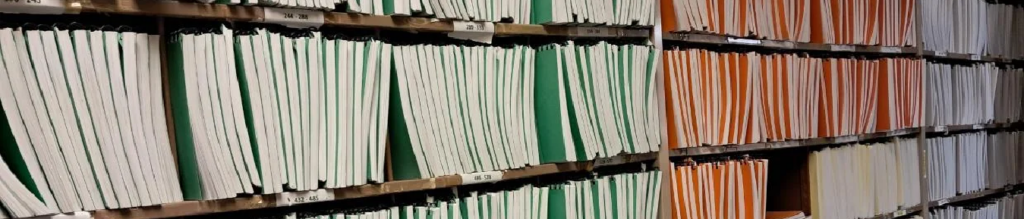
From petrol to pool fences: How a Christchurch study shaped national policy
Gwenaёlle Chollet, The Press
The Christchurch Health and Development Study started in 1977, following more than 1200 babies from birth, and was only meant to last five years. As it approaches its big 50-year wave of tests, beginning in 2026, Gwenaёlle looks at how findings from the study influenced policies like mandatory unleaded petrol. Our judges appreciated the focus on this less-known longitudinal study, and its impact on our everyday lives.
 The winner for each category will be announced on the evening of Wednesday 17 June in Wellington.