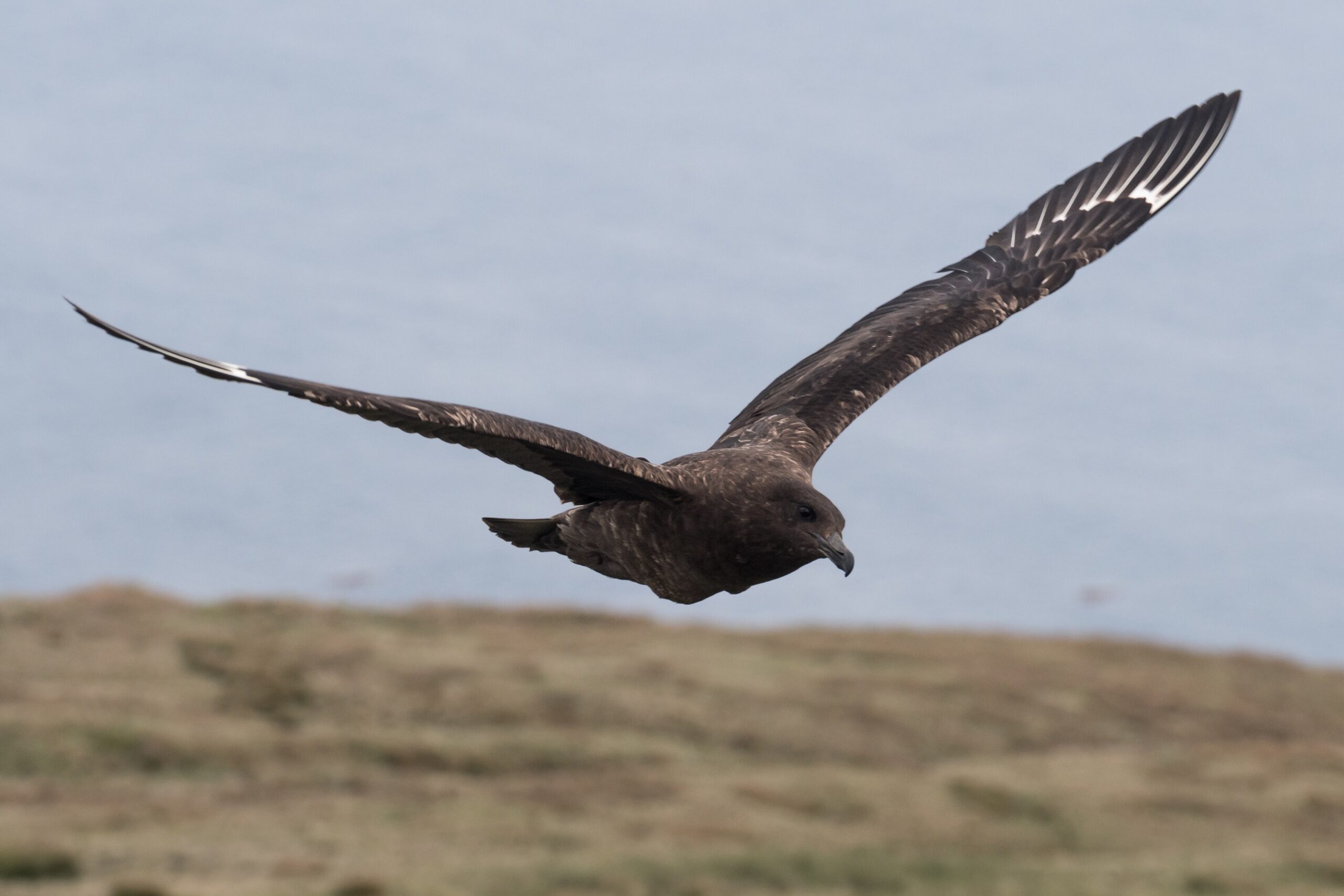
The first cases of H5N1 bird flu in mainland Australia were identified in seabirds over the weekend.
The highly infectious virus has spread in wild birds around the world for the past few years, reaching the Antarctic Peninsula in 2024. As well as wild and farmed birds, it has also killed many mammals, including seals, sea lions, and farm animals.
The SMC asked NZ experts to comment.
Professor Jemma Geoghegan, Virologist, University of Otago, comments:
“The detection of highly pathogenic H5N1 avian influenza virus in Australia is an important reminder that New Zealand cannot be complacent. While our geographic isolation has likely delayed its arrival, the virus is now much closer.
“The greatest concern for New Zealand is likely to be wildlife. Internationally, H5N1 has caused major mortality events in wild birds and marine mammals, and many of our native seabirds and other threatened species could be vulnerable if the virus were introduced.
“At the same time, Australia’s experience provides an opportunity for New Zealand to learn and prepare. Strong surveillance of wild birds and rapid detection systems will be critical for understanding and responding to any future incursions.
“Importantly, the risk to the general public remains low. The focus should be on preparedness, surveillance and protecting both our wildlife and agricultural sectors from what has become a truly global disease threat.”
Conflict of interest statement: “No conflict of interest.”
Our colleagues at the AusSMC have also gathered comments. See below for a selection—further comments are available on Scimex.
Dr Jane Younger, Senior Lecturer in Southern Ocean Vertebrate Ecology in the Institute for Marine and Antarctic Studies at the University of Tasmania, comments:
“Testing has confirmed this is the same H5N1 strain that has caused millions of deaths in wild birds and marine mammals globally. Genetic analysis will be essential to tell us where this virus has come from, and whether it is linked to the outbreaks now occurring across the Southern Ocean.
“The species involved are important. A brown skua has tested positive, and a sick southern giant petrel from the same area is also being tested. These are Southern Ocean and sub-Antarctic species, suggesting the virus probably reached mainland Australia through Southern Ocean wildlife movements, rather than through the northern hemisphere migratory shorebird route we have been watching closely.
“This is a serious development for Australian wildlife. We have already seen devastating mortality in seals and seabirds across the Southern Ocean, with seals dying in the tens of thousands. We should be particularly concerned about vulnerable seabird colonies and Australian fur seal populations.
“The public message is simple. Do not touch sick or dead birds or marine mammals. When walking dogs on the beach, be careful to keep them away from carcasses. Record the location, take photos from a safe distance if possible, and report it through official channels.”
Conflict of interest statement: Jane receives research funding from the Australian Research Council, National Geographic Society, WIRES, the Marine Megafauna Fund, National Geographic – Rolex Perpetual Planet Expeditions, and Lindblad Expeditions. Jane is not a member of an advocacy or lobbying organisation and has no financial conflict related to this comment.
Dr Emma Grant, Research Fellow and Group Leader within the La Trobe Institute for Molecular Science (LIMS) at La Trobe University, comments:
“The Australian Government has reported a confirmed case of H5N1 avian influenza in WA on Saturday. This represents the first detection of the H5N1 virus on mainland Australia, following a confirmed outbreak on Heard Island in late 2025.
“H5N1, commonly known as “bird flu,” is a highly pathogenic avian influenza virus that has spread widely across the globe. This strain differs from previous H7 viruses that have caused outbreaks in Australia. Australia has successfully managed HPAI outbreaks before and is well prepared to respond to H5N1 avian influenza.
“The risk to human health remains low. Globally, human infections with H5N1 are rare, and there is no evidence of human-to-human transmission.
“Australia maintains robust biosecurity systems to protect agriculture and human health. Ongoing surveillance by Wildlife Health Australia plays a critical role in the early detection of avian influenza in wild bird populations.
“Members of the public should avoid contact with sick or dead birds and report unusual animal symptoms to authorities. Farmers are advised to minimise contact between domestic poultry and wild birds wherever possible.”
Emma has no conflicts of interest to disclose.
Professor Ricardo J. Soares Magalhães, Professor of Zoonotic Disease Epidemiology and Biosecurity, and Director of the Queensland Alliance for One Health Sciences at the University of Queensland, comments:
“The fact that this is a sub-Antarctic species indicates a southern pathway of introduction, which is good news in terms of the likelihood of spread. The northern migratory pathway of introduction (i.e. via Broome nesting sites) can result in a much wider probability of spread within the Australian continent.
“Molecular results on the virus will be able to confirm this as the most likely pathway of introduction by comparing with viruses from cases detected in the Heard Island region.
“Indoor raising orders will be a possible repercussion of this detection for free-range systems and intensification of active surveillance in poultry raised in these systems.
“The fact that the bird was still alive demonstrates that there are migratory species to Australia that are somewhat more tolerant to the infection, and it is possible that there are others that are in this situation.
“Our team has initiated a study to look at variation of immunotolerance to understand the vulnerability to this virus across a range of Australian wild bird species to inform risk assessment and surveillance efforts.”
Ricardo has not declared any conflicts of interest.