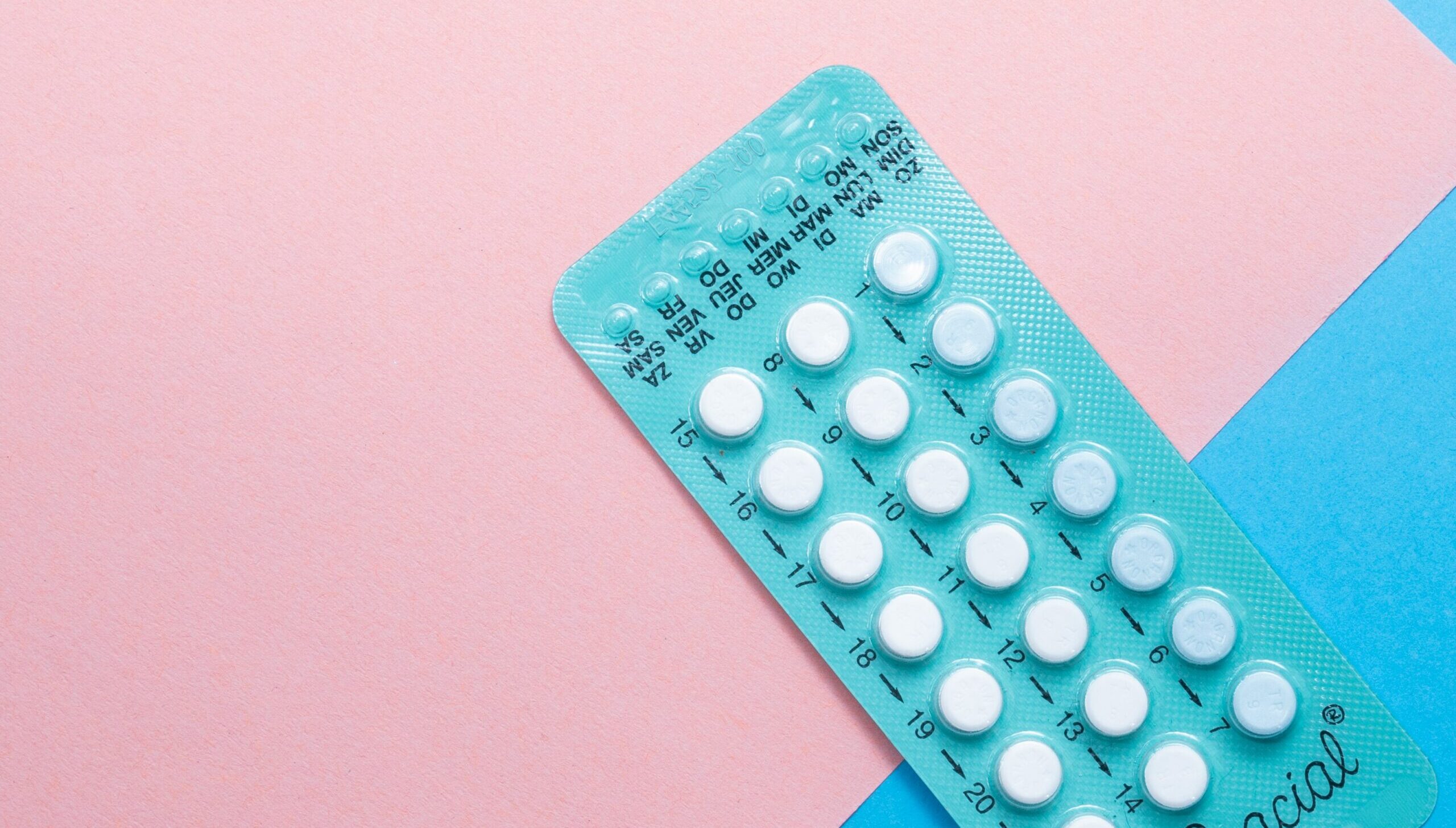
Hormone replacement pills taken during menopause are linked to a higher risk of serious blood clots in the veins, a large Danish study finds.
For every thousand women taking the pills for a year, an extra person got such a blood clot, while taking high doses for over a year was associated with increased heart attack and stroke risk.
Patches, gels, and sprays weren’t linked with an increased risk.
The SMC asked NZ experts to comment.
Associate Professor Michelle Wise, Specialist Gynaecologist, University of Auckland, comments:
“This is a case-control study performed in Denmark using a nation-wide health registry of over 1 million women. The researchers compared women who had a heart attack, blood clot, or stroke to women of the same age who did not. Then they determined if they were taking menopause hormone therapy (MHT) at the time that they were diagnosed or not. The researchers controlled for some important factors such as high blood pressure and diabetes, but not others such as smoking and having obesity.
“The average age was 62 years. The researchers found that women who had a blood clot were more likely to be taking estrogen as tablets (oral), either with progestogen to protect the lining of the womb, or alone (for women with hysterectomy). For women who had a heart attack or stroke, only women using high dose estrogen as tablets for over one year were at risk. On the other hand, there was no association between having a blood clot, heart attack or stroke and taking estrogen as a patch or gel (transdermal).
“This study is similar to previous studies. Most women on MHT today are taking transdermal estrogen – it is reassuring that with this more ‘modern’ method of taking MHT, there does not seem to be an associated risk of blood clot, stroke or heart attack. We still don’t have enough research on MHT in younger peri-menopausal women or in women taking body-identical progesterone.
“Heart attack and stroke are the most common causes of death in New Zealand women. Women in midlife should see their GP every year to check for high blood pressure, diabetes and high cholesterol and try to improve their risk factors. Women taking estrogen therapy as tablets could consider stopping or switching to patches or gel, or if they continue tablets, should know what the symptoms are of heart attack, stroke and blood clot and see a doctor if they are worried.”
Conflict of interest statement: ” I have none.”
Professor Andrew Shelling, Department of Obstetrics, Gynaecology and Reproductive Sciences, University of Auckland, comments:
“This important study published in the leading journal, the British Medical Journal, provides an update on the risks of Menopause Hormone Therapy (MHT) and the risk of Thrombotic Disease (conditions in which an abnormal blood clot forms within a blood vessel or the heart and impedes blood flow).
“It is a very large nation wide case control research study undertaken in Denmark, and specifically looking at associations between current use of menopausal hormone therapy and development of venous thromboembolism, ischaemic stroke, and myocardial infarction.
“The results are largely supportive of previous studies and show that the current use of any oral menopausal hormone therapy was associated with an increased venous thromboembolism risk, whereas ischaemic stroke and myocardial infarction risk was only increased with oral high dose therapy used for more than one year.
“Transdermal therapy was not associated with increased thrombotic rates regardless of regimen, active ingredients, dosage, and duration of use. This would suggest that the route of administration of MHT is important. Oral formulations that involve metabolism in the liver that are associated with clotting proteins that increase risk, whereas transdermal oestrogen largely avoids this effect and consequently has a lower thrombotic risk.
“This study shows that although MHT is associated with a small increase in thrombotic risk, the absolute risk is low in most women and is outweighed by the benefits of menopause symptom relief. Risk assessment should be individualised, considering other health factors such as obesity, smoking, previous disease, age, and route of administration. Transdermal oestrogen generally carries a lower thrombotic risk than oral therapy.”
Conflict of interest statement: “I’m an academic that has done research on Premature Menopause/Premature Ovarian Failure for several years, and teaches on Menopause at the University of Auckland.”
Professor Cindy Farquhar, Obstetrics and Gynaecology, University of Auckland, comments:
“There are two ways of taking menopausal hormone therapy. One is by mouth, and the other is transdermal, through the skin. The results of this large study suggest that with oral menopausal oestrogen therapy, there is a small increased risk og blood clots in the legs, heart attacks and stroke. But if you’ve using it transdermally (patches), then there’s no increased risk. This study confirms the findings of other studies around the world. The results are similar to women taking menopausal hormone treatment (formerly known as HRT).
“The overall risk is fairly small. If you think about 10,000 women taking oral treatment, there would be nine extra cases of blood clots in the legs, six of stroke and only three of myocardial infarction with oral menopausal hormone treatment. The risk increases slightly as you go from 50 to 59 and 60 to 69 years-old, but overall the risk it’s pretty small. The risk is also higher in women on higher oral doses. Starting on a lower dose is always the safest strategy.
“Nine per 10,000 women is one in 1,000, so it’s uncommon. But taking oral medication is associated with more of these risks than having the treatment through the skin.
“Both oral and transdermal treatments are available in New Zealand. If you do have pain in your chest or leg and you’re on oral hormone treatment, you should seel medical treatment promptly. ”
Conflict of interest statement: “No conflict of interest.”
Our colleagues at the AusSMC have also gathered comments.
Dr Evie Kendal, bioethicist and public health scientist, Swinburne University of Technology, comments:
“The menopause transition can cause significant health changes with many women reporting symptoms that negatively impact their daily lives. As such, hormonal menopause support therapies are a high priority, including for the increasing number of women in this age bracket who are managing these symptoms while continuing to work and build their retirement savings, and in many cases also providing care for children and/or ageing relatives.”The study by Berggreen et al. uses a large data source to evaluate the risks associated with different doses and methods of hormonal support. While all health interventions carry risks that must be balanced against the possible benefits for the client, what is central to this study is a strong evidence base for the different risk profiles for different options, with high doses of oral medication associated with the highest thrombotic [blood clot] risk. This has the potential to influence future treatment decisions for people experiencing symptoms associated with menopause.
“The authors should be applauded for their clear and consistent messaging throughout the paper that makes the information accessible to the public.”
Conflict of interest statement: Dr Kendal receives travel funding from the International Chair of Bioethics and Yale University.