The Australian government has now reported seven cases of a serious type of bird flu in wild birds.
Over the last few years, this type of bird flu has caused high numbers of deaths in poultry and wild birds around the world, as well as spreading to farm animals, pets, and marine mammals like seals.
No cases have yet been confirmed in NZ, but organisations are preparing for its possible arrival.
The SMC asked experts to comment.
Professor David Murdoch, Chief Scientist, New Zealand Institute for Public Health and Forensic Science (PHF Science), comments:
“The growing number of H5N1 avian influenza detections in Australia is a reminder that this virus is moving steadily closer. New Zealand has so far remained free of highly pathogenic avian influenza, and our isolation has bought us valuable time to get ready. However, we should expect the virus will eventually test that isolation, most likely first in wild birds.
“Regarding human health, the key message is that the current risk to the public is very low. H5N1 remains primarily a disease of birds and, increasingly, some mammals. The human infections reported overseas have almost all been in people with close, direct, unprotected contact with infected birds or animals; poultry and dairy workers, for the most part.
“Importantly, there is still no evidence of sustained person-to-person spread, and that remains the single most important barrier between this virus and a wider human health threat. We still take H5N1 seriously, because influenza viruses evolve, and this lineage has shown an unusual ability to infect a growing range of mammals.
“Careful surveillance is how we would detect any change early. Should the virus reach New Zealand, our laboratory system is prepared to identify and characterise it quickly. For the public, the practical advice is straightforward: don’t handle sick or dead birds.”
Conflict of interest statement: “David Murdoch is also a Distinguished Professor at the University of Otago.”
Professor Dianne Brunton, School of Biological Sciences, University of Auckland, comments:
“With H5N1 avian influenza now detected in Australia via movement of Southern Ocean seabirds, New Zealand conservationists are on high alert. H5N1 is a deadly variant of avian influenza, and although it hasn’t been confirmed to cause a species extinction, H5N1 has driven mass death and severe declines worldwide.
“In New Zealand, we already have mild variants of avian influenza present in our wild birds, and an active surveillance programme. But the arrival of this more deadly form is a particular risk as many of our endemic species survive in small, restricted populations. For species with tiny populations, such as Tara iti (New Zealand fairy tern), even small losses could have serious consequences for recovery.
“However, the risk from avian influenza isn’t just about bird numbers, it is about behaviour and shared environments. New Zealand is the seabird capital of the world. Many species range over thousands of kilometres but return to the same island colonies each year, nesting closely and mixing frequently during breeding and chick-rearing.
“Significantly, our island sanctuaries aren’t just seabird habitat, they are refuges for our most vulnerable endemic land birds, like Kākāpō and Karure (black robin). Species protected from introduced predators through translocations to predator free islands, could now be exposed to disease simply by sharing nesting grounds with our native seabirds. Likewise, ducks and other mobile species add other potential disease pathways, as they move in and out of island sanctuaries.
“Our island and mainland sancuaties protect against predators, but they also concentrate vulnerable species in few locations. If H5N1 reached these islands, high bird densities, seabird movement across oceans, habitat overlap, and slow breeding rates could combine to cause severe losses that would be extremely hard to recover from. This is why we should be concerned.”
Conflict of interest statement: “No conflicts of interest.”
Dr Natalie Netzler, Senior Lecturer, Faculty of Medical and Health Sciences, University of Auckland, comments:
“The H5N1 bird flu was recently detected in Australia in wild seabirds across the states of South Australia, Western Australia and New South Wales. This brings this severe form of bird flu, which is often fatal to birds, closer to Aotearoa New Zealand. While there have not been any confirmed cases in Australian poultry yet, this could pose serious consequences for commercial poultry meat and egg production operations if there was an outbreak. Due to this economic threat, Australia has reportedly invested over $113 million into preparations including targeted surveillance.
“While the H5N1 influenza virus has not been detected here in Aotearoa New Zealand to date, the Ministry for Primary Industries (MPI) and the Department of Conservation (DOC) have increased surveillance and have put several preparations in place. Some precautionary measures include the vaccination of some of our most critically endangered birds, such as the kākāpō, to protect them from this virus.
“H5N1 bird flu is spread globally by migratory birds with the potential to infect a wider range of birds and other species including marine mammals such as seals and dairy cows, which is a consideration for protection of our farming and wildlife here in Aotearoa New Zealand.
“The risk to human health is currently low, however precautions should be taken to avoid contact with sick or dead birds and to report them following biosecurity advice. The main risk would be that the H5N1 virus could evolve to infect humans more easily, in which case the risk status would rise considerably. Constant surveillance of influenza strains in humans and other species is particularly important to allow us to remain vigilant and to be able to update our control measures such as public health advice and vaccinations to protect our communities.”
Conflict of interest statement: “I serve on research governance committees, but I have no commercial, industry or regulatory interests related to avian influenza, poultry production or biosecurity.”
Dr Mary van Andel, Chief Veterinary Officer, Ministry for Primary Industries, comments:
“New Zealand is well prepared to respond quickly if H5 bird flu reaches our shores, but it is important that everyone takes steps now to be ready. Since the H5N1 2.4.4.b strain of bird flu started spreading around the world, New Zealand’s geographical isolation has protected us and given us time to prepare.
“At the moment, the cases of H5 in Australia are all in ocean- going seabirds, and there are no reports that it is being transmitted among birds there. These ocean-going birds can travel very long distances and live mostly out at sea rather than living at the coast or on land. These detections do not immediately increase the risk of birds bringing the virus from Australia to New Zealand. Rather these detections tell us something about how the disease has spread across the Southern Ocean ecosystem in these ocean-going bird populations.
“That risk might increase if H5 was to spread in Australian bird populations but will depend on where it spreads and how quickly. There are a large number of bird movements throughout the year between Australia and New Zealand, and these include the ocean-going seabirds, migratory waders, trans-Tasman seabirds and waterfowl.
“If H5 bird flu does arrive in New Zealand, there will be no food safety risk and the risk to human health is assessed as low. That said, if it becomes widespread in the wild bird population, we won’t be able to eradicate it from wild birds or prevent them from continuing to spread the virus.
“The Ministry for Primary Industries, the Department of Conservation, the Ministry of Health, and Health New Zealand have been working together with industry and local councils to get ready. The detections in Australia are a timely reminder that it takes all of us to be prepared for the arrival of a virus we can’t control the spread of.
Information about H5 bird flu, what people can do now to protect there birds, and what to look out for is available here and here.”
Conflict of interest statement: “No real or perceived conflicts of interest.”
Dr Kate McInnes, Senior Science Advisor and wildlife vet, Department of Conservation (DOC), comments:
“The H5N1 strain of bird flu is a highly contagious viral infection that can affect all species of birds both wild and domestic. Cases have also been seen in mammals associated with bird mortality events including seals and sea lions.
“We don’t know exactly what impact H5N1 would have on New Zealand’s native species but it’s more likely to affect colony nesting birds such as red and black-billed gulls, gannets, terns and other seabirds or animals interacting with these birds, due to the close contact transmission of the virus through secretions and faeces. In other countries, waterfowl (ducks, geese and swans), and raptors (like kāhu/harrier hawks) have also been considered at high risk.
“If H5N1 arrives in New Zealand and spreads in the wild bird population, we won’t be able to eradicate it from wild birds and management options will be limited.
DOC has plans in place to mitigate risks to threatened species and public conservation land, including actions to enhance detection, reduce spread and protect threatened species.
“Our focus is to minimise spread on public conservation land through strong biosecurity practices, not disturbing wildlife, and supporting the health and resilience of threatened bird populations through conservation work such as breeding and predator control programmes.
“In 2025 DOC completed a research trial to test a vaccination for bird flu on five endangered bird species that showed vaccination is safe and effective in these birds and will help protect them from the H5N1 strain of bird flu. With the recent detection of H5N1 in some migratory seabirds in Australia, we have decided to begin vaccinating some of our most critically endangered birds now as a safeguard.
“Over the coming months we will vaccinate about 300 core breeding birds from five species – kākāpō, takahē, tchūriwat’/tūturuatu/shore plover, kakī/black stilt and kākāriki karaka/orange-
“These species were chosen because they have small populations that could be at risk and are reliant on intensive conservation efforts for their ongoing survival. Vaccinating core breeding birds will protect critical insurance populations with the genetic diversity and numbers to rebuild species populations if bird flu caused a serious impact.
“Our vaccination plan also includes other species that we would consider vaccinating if bird flu arrives in New Zealand. It won’t be possible to vaccinate all endangered birds, but we can focus on those species where the full two doses of the vaccine can be safely given to achieve protection.
“Ministry for Primary Industries has approved the vaccination plan for the five species and the release of the avian influenza vaccine for the programme to begin. The vaccine contains dead virus and cannot cause bird flu infection. It’s another version of the vaccine used in the trial, updated to match the circulating strain of H5N1 virus.”
Conflict of interest statement: “No conflicts of interest.”
James Russell, Professor of Conservation Biology, University of Auckland, comments:
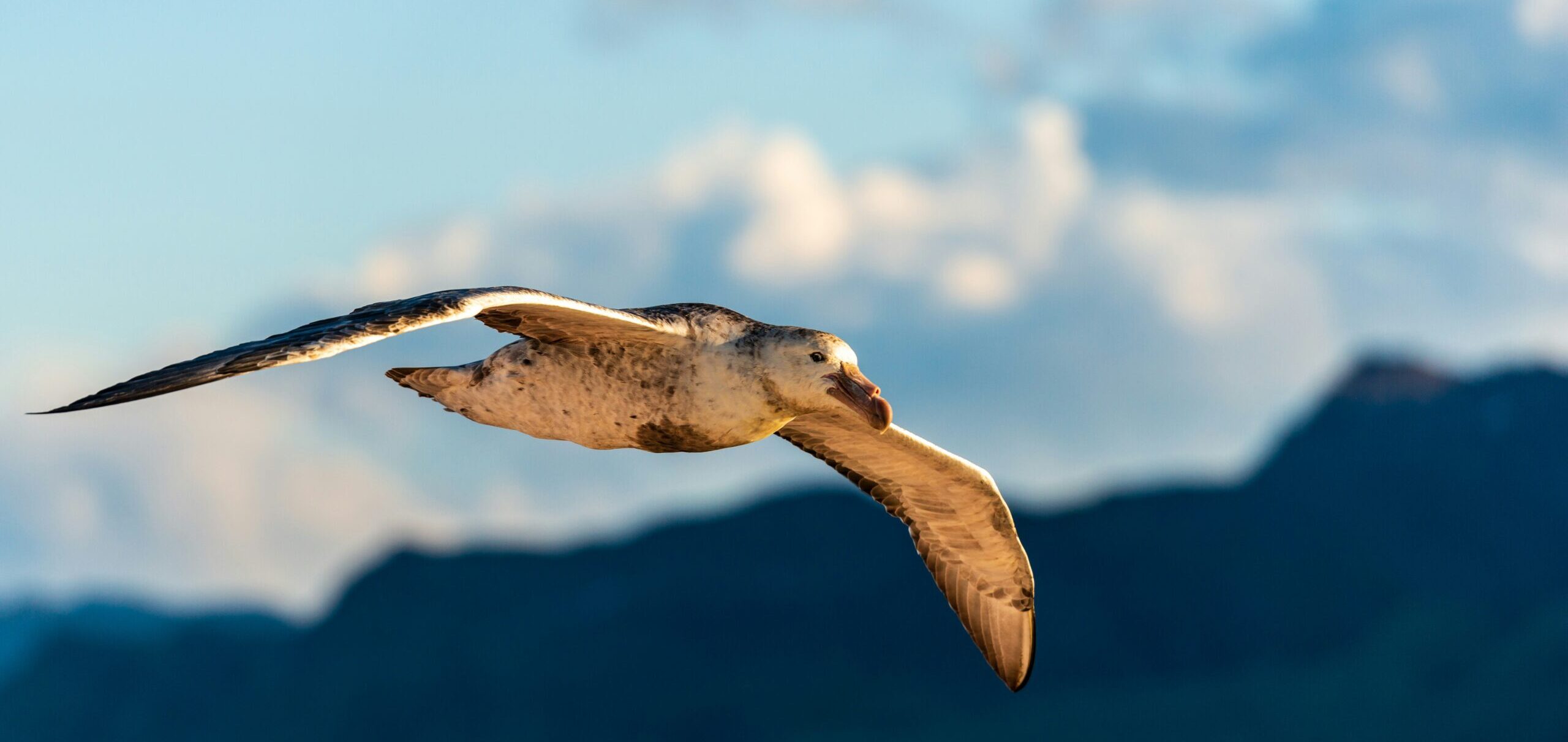
“Deadly H5-N1 (HPAI) bird flu has arrived at Australia, through the subantarctic seabird superhighway as these birds move north during winter, although it is not yet spreading within Australia. The giant petrels that are introducing the disease are a subantarctic species found throughout the Southern Ocean and the virus may already be on our subantarctic islands which are usually unvisited over winter.
“Overseas experience suggests impacts are strongest on waterfowl (ducks, geese and swans) and seabirds (penguins, gannets, gulls, skuas, albatrosses, petrels, shearwaters). Birds of prey that then feed upon these sick animals are also impacted (harriers and falcons) as are marine mammals (seals, sea lions and dolphins). Many of our bird species are not found overseas and so before bird flu arrives their vulnerability is not exactly known.
“Surveillance is important to determine where, when and what populations are being impacted, but without consequential interventions in response to detection, surveillance alone will only document the inevitable spread. Meaningful interventions are practically limited but include proactive vaccination of captive populations, such as the Department of Conservation is already doing.
“Bird flu is an unwelcome threat to our bird species who are already under more extreme and multiple pressures than ever before: ongoing habitat loss and land-use change, widespread invasive mammalian predators, unmanaged domestic cats, daily vehicle collisions, regular window strikes and rapidly increasing climate change. Ultimately, there will be little we can do to stop this virus impacting our wild bird populations, but through taking meaningful actions which reduce other pressures, we can set up our bird populations as strongly as possible to recover after the virus has swept through.
“The Department of Conservation is underfunded for its mandate to protect all native species, but there are a large number of wildlife rescue and rehabilitation centres around the country who already deal daily with native birds impacted by human activities. These centres are at the front line of accepting public admissions of unwell birds but typically rely on volunteers and donations.
“When members of the public are considering what they can do to help our birds during a bird flu outbreak, they should follow the official government advice of reporting but not approaching unwell birds where bird flu may be the cause, and consider contributing to their local wildlife rescue and rehabilitation centres, and other bird oriented organisations, who are focused on ensuring the well-being of birds.”
Conflict of interest statement: “James Russell has previously received funding from the Department of Conservation and contributed to bird flu monitoring.”
Dr Hammed Fatoyinbo, Lecturer in Applied Mathematics and Statistics, School of Engineering, Computer and Mathematical Sciences, Auckland University of Technology, comments:
“The global spread of this serious type of bird flu (H5N1) among wild birds, poultry, cattle, and other mammals continues to raise significant concern. Although Aotearoa New Zealand has remained free of this virus, the recent confirmed H5N1 detections in Australia highlight the importance of maintaining a high level of preparedness.
“The long-distance spread of bird flu viruses is driven by birds migrating between countries and by connections between ecosystems. Australia’s situation is therefore relevant to New Zealand because of our regional proximity and shared ecosystems. While these detections do not indicate an immediate public health threat to New Zealand, they reinforce the need for continued vigilance and robust surveillance.
“Early detection and rapid response are the most effective strategies for limiting the impact of any potential introduction of bird flu. Maintaining active surveillance, encouraging prompt reporting of unusual bird deaths, increasing our capacity for detecting the disease, controlling the movement of poultry birds where appropriate, and protecting vulnerable bird populations are all important components of preparedness. These measures are precautionary and evidence-based, reflecting good biosecurity practice rather than cause for alarm.
“For the general public, the current risk remains very low. Human H5N1 infections are uncommon and have almost exclusively been associated with close, prolonged contact with infected animals or contaminated environments. There is currently no evidence of sustained human-to-human transmission, and properly cooked poultry products, including chicken and eggs, remain safe to eat.
“The public can support surveillance efforts by avoiding contact with sick or dead birds, reporting unusual wild bird deaths to the relevant authorities, practising good hand hygiene after contact with animals, and preventing pets from interacting with bird carcasses.
“H5N1 is a clear example of a One Health issue. One Health is the idea that the health of people, animals, and the environment are all connected. While the current risk to the New Zealand public remains very low, the virus has demonstrated its ability to spread across continents through wild bird movements and to affect multiple animal species. Active surveillance, strong biosecurity, preparedness, and clear public communication will be essential to minimise the risk of H5N1 becoming established in New Zealand and to protect our agriculture, native biodiversity, animal health, and public health.”
Conflict of interest statement: “I have no direct conflicts of interest to declare.”
Professor Brett Gartrell, Professor in Wildlife Health and Director of the Wildbase Research Centre at Massey University, comments:
“A serious strain of bird flu has caused a global wildlife pandemic, with significant mortality to wildlife, especially seabirds and marine mammals as well as extensive mortality and economic losses to the poultry industry. The recent detection of this type of bird flu in wild birds in multiple states of Australia highlights the vulnerability of New Zealand to this disease.
“At this point in time, New Zealand is one of the few countries in the world without the virus, however it is thought to be inevitable that it will reach New Zealand through wild birds. The strain of bird flu likely to affect wildlife in New Zealand has a low risk of affecting people, but high risk of consequences. The mortality rate of all H5N1 viruses combined is close to 50%, however the current strain has killed 2 of 70 people affected.
This type of bird flu is currently a notifiable and exotic disease and the Ministry of Primary Industries has legal obligations (including trade agreements) to manage the response plan in the initial stages. However, once the disease becomes established in wild birds, MPI will declare it an endemic disease and this is when they will delegate the response to dead and dying birds to DOC on conservation land, regional and local councils on public land, and private landowners.
“The detection of bird flu in Australia has triggered the next steps in New Zealand response plans. For example, the Department of Conservation has commenced vaccinating our most critically endangered wildlife. Wildlife workers across the country are now finalising their plans for how they will respond. For many wildlife hospitals and wildlife rehabilitators, this disease will be a significant challenge, both logistically and financially as we struggle to keep our people safe and still provide care to native wildlife. Bird flu will have catastrophic effects on New Zealand wildlife conservation.”
Conflict of interest statement: “Wildbase carries out wildlife pathology services under contract to the Department of Conservation and supplies disease surveillance information to the Ministry of Primary Industries.”
Dr Sara Kross, Senior Lecturer in Terrestrial Ecology, University of Canterbury, comments:
“Aotearoa New Zealand unfortunately appears to be in the line of fire for the arrival of highly pathogenic avian influenza (HPAI), a devastating disease that has had serious impacts on populations of birds, wildlife, and livestock around the globe. NZ’s isolation has given us the benefit of time to prepare for the arrival of HPAI, with MPI and DOC planning for this threat for years. However, that same isolation has also shaped our unique ecosystems and endemic species, which may be at heightened threat from HPAI.
“As with any other emerging diseases, early detection will be critical for mounting a strong response to HPAI. We can all play a role by watching for sick or dead birds, marine mammals, and other wildlife; and reporting them quickly via the MPI exotic pest and disease hotline (0800 80 99 66).
“HPAI can pose a health risk to people, so it’s vital that if you come across sick birds or other wildlife, you do not touch them. Keeping dogs on a leash at the beach or in other areas where migratory birds are found not only reduces the risk of pets being exposed to disease, but reduces stresses on birds and other wildlife.
“While we know that HPAI will likely arrive via migratory animals, we don’t know much about how it will move locally within NZ once it is here. I hope we have a few more seasons to strengthen our understanding the disease movement in wildlife, particularly wild birds, so we are better prepared for the arrival of HPAI or other diseases.”
Conflict of interest statement: “I have applied for funding in the past to do research on bird disease in NZ and have a student currently working on foodborne illness in wild birds. These aren’t true conflicts, and I have no other conflicts to declare.”