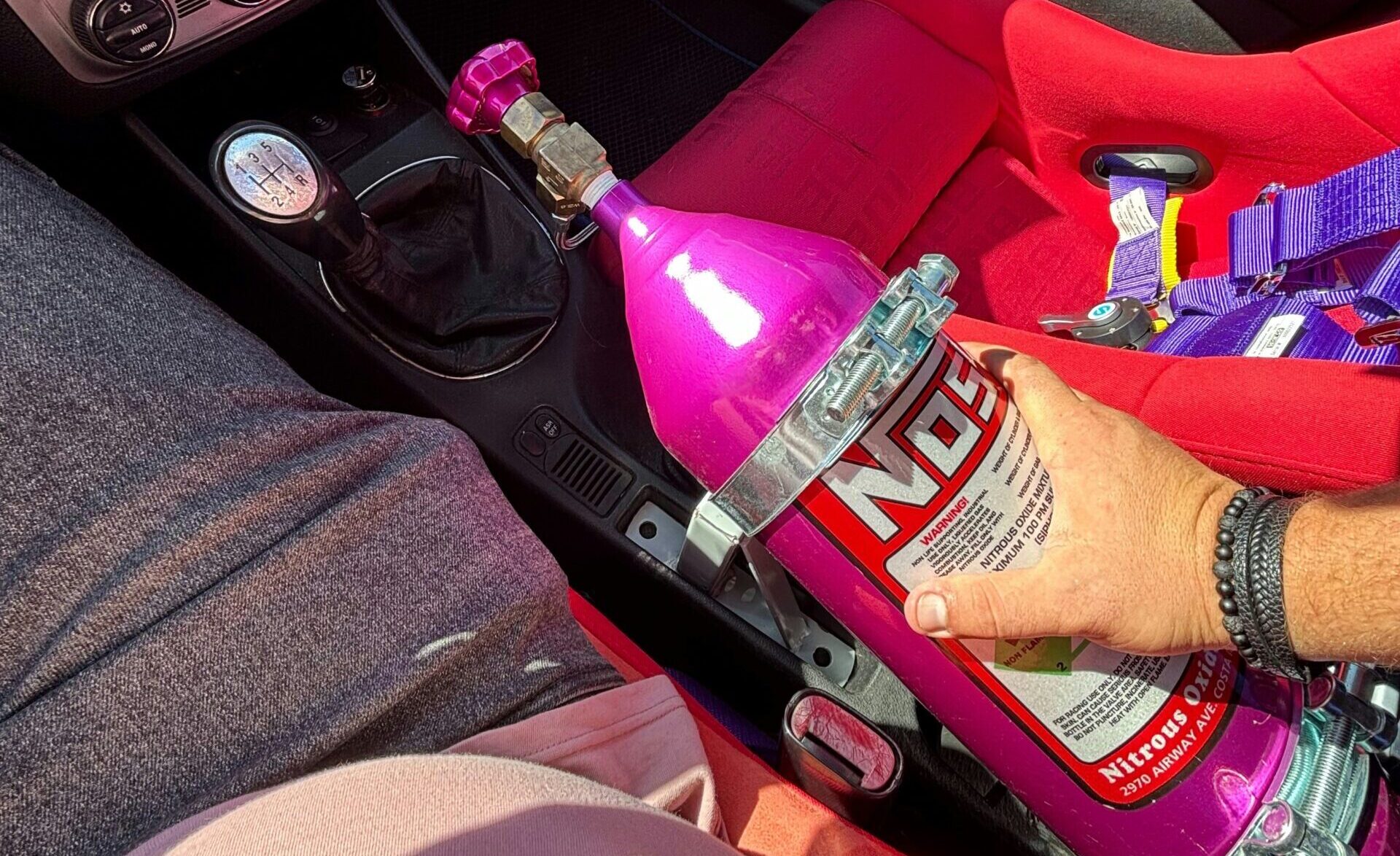
The government intends to put new restrictions on nitrous oxide availability, with the aim of reducing recreational use of ‘nangs’.
Nitrous oxide cannisters over 10 grams, currently legally sold for whipping cream, will automatically be banned as psychoactive substances. Under the new restrictions, only importers approved by the Director-General of Health will be allowed to bring the gas into NZ for legal medical and commercial use.
The SMC asked experts to comment. Feel free to use these comments in your reporting or follow up with the contact details provided.
Professor Suresh
“Nitrous oxide use does carry risks with heavy use where it can cause neurological damage linked to vitamin B12 depletion. However, there isn’t much evidence on harms at a population level, and overall nitrous oxide when used recreationally can be considered one of the lower harm recreational drugs.
“It is important to look at this policy within the wider ecosystem of illicit drug use. For example, restricting nitrous oxide supply may lead some people to switch to other recreational drugs with higher harm profiles that are readily available. So potentially the policy could do more harm than good and it’s not clear whether anything has been implemented to actually capture the outcomes of this policy change.”
Conflict of interest statement: No conflicts of interest.
Associate Professor Marta Rychert, NZ Drug Trends Research Team, Massey University, comments:
“Many recreational nitrous oxide consumers use nitrous oxide in relatively small amounts, posing relatively low health risk. However, inhaling large quantities of gas and frequent use can pose serious risks, including burns, injury to lungs, poisonings and injury to the central nervous system, and contribute to risk of accidents.
“Consumers are often unaware of these serious risks as products can be purchased from convenience stores, or ordered online via websites often advertised on social media, wrongly suggesting they are harmless. Adolescents who are less connected with adult drug markets are particularly suspectable to use and underestimating the risks of high-intensity nitrous use.
“In recent years, several countries have changed how they regulate nitrous oxide in response to the reports of harms. The central challenge has been to provide continued access to nitrous oxide products for legitimate purposes (e.g. in culinary and medical settings), while preventing recreational use by adolescents.
“Responses implemented elsewhere range from requiring age-verification of those who can buy canisters and limiting the number that can be supplied at any one time, to imposing prohibitions on the types of sales (e.g. online or at night sales prohibited) and restricting availability (e.g. only registered food businesses and cooking school can purchase canisters).
“The recent government announcement is broadly consistent with measures implemented elsewhere, with the focus on limiting supply. It will be important to evaluate the impacts of the response in the coming months, including monitoring any changes to the rates of harmful use and potential substitution with alcohol and other drugs. Additional investment into drug education, prevention and harm reduction information related to nitrous oxide use from trusted sources is needed to support new supply restrictions.”
Conflict of interest statement: “I receive research funding from the NZ Health Research Council and the NZ Royal Society Te Apārangi.”
Dr Fiona Hutton, Associate professor Institute of Criminology Victoria University, comments:
“It is good to see that the government intends to reduce harm from heavy use of nitrous oxide (‘nos’). It would seem sensible to limit the sale and use of larger cannisters as these can cause harms such as freeze burns and lung damage, as well as lending themselves to re-dosing and more intense effects.
“However, ‘cracking down’ on substance use can often have unintended consequences and cause harm. It is important to note that restricting supply may lead to more intense involvement of criminal organisations including theft and diversion from legitimate supply chains, as well as to homemade or illicit production of nitrous oxide which pose a high risk of explosion or contamination.
“Further unintended consequences of ‘cracking down’ include the movement of those who use ‘nos’ (mainly young people) towards more harmful substances, including drugs that are more readily available to this age group, e.g. deodorants, spray paints or other kinds of volatile substances. In the UK banning nitrous oxide for recreational use has not had any impact on its prevalence, which has remained stable. Knee-jerk ‘get tough’ reactions should therefore be avoided.
“It is also important to recognise that the vast majority of people do not use nitrous oxide and that use is often low in drug prevalence studies. In the 2025 NZ Drug Trends Survey, 10% of the sample indicated that they had used ‘nos’ in the past 6 months, in comparison to 69% who indicated they used cannabis in the last 6 months.
“Those that do use nitrous oxide often use relatively small amounts infrequently, and while this use is not harmless, it often does not cause widespread or long-lasting harms . The generally low level of harm related to nitrous oxide use is reflected in research assessing the relative harms of substances, with nitrous oxide placed near or at the bottom of international drug harm ranking scales. Heavy, chronic use however can cause serious harm/s and there is good harm reduction information available (e.g. here and here) for people who use nitrous oxide – this should be cited in any discussion or media on this topic.”
Conflict of interest statement: “No conflicts of interest to declare.”
Dr Rose Crossin, Senior Lecturer, Department of Public Health, University of Otago, Christchurch, comments:
“From my perspective as a drug and alcohol researcher, the news today about strengthening action against nitrous oxide supply highlights the incons
“While I agree that the larger cannisters of nitrous oxide have greater potential for harm than the smaller bulbs, it is important that policy measures do not create stigma for people who use nitrous oxide, or put in place barriers to help-seeking. For all drugs, the Government should be investing in a health-based approach, and focusing on preventing uptake, increasing access to non-stigmatising care, and supporting harm reduction efforts. Investment in these areas is likely to be significantly more effective than trying to restrict supply, or increasing enforcement.”
Conflict of interest statement: “No conflicts of interest to declare.”
Dr. Jai Whelan (Ngāi Te Rangi), Department of Public Health, Ōtākou Whakaihu Waka | University of Otago, comments:
“It’s unsurprising that the Government is taking action around larger cannisters given the greater potential for harm and lack of ‘legitimate’ use as far as whipping cream is concerned. Supply side controls can be effective, although this may not be as effective as intended given there is no regulated market for recreational nitrous oxide. I hope that these changes don’t have unintended consequences for people who use nitrous oxide, either through market changes that cause harm, or increased stigma.
“I am also concerned that for a minority of people, nitrous oxide harm is very real. Whether from frequent or high dose use, or using the drug while driving.
“However, the framing that recreational use is ‘illegitimate’ exemplifies wider issues surrounding substance prohibition in Aotearoa. What anyone does with their own body is their choice. No one should be punished for what they consume if they aren’t harming anyone else. We do of course want people to make informed choices, and we need to balance public health risks with how people will go about using drugs if they decide to do so.
“We should be moving away from purely punitive and enforcement responses for consumers. These have generally done little to support people who use drugs and have in many cases caused harm themselves. In general, it would be fantastic to see broader investment in harm reduction approaches such as harm reduction campaigns and education that increases understanding of nitrous oxide and other drugs, and how to make safer decisions while using them.”
Conflict of interest statement: “I have lived/living experience of drug use, including nitrous oxide. I also sit on the board of the New Zealand Drug Foundation | Te Puna Whakaiti Pāmamae Kai Whakapiri.”