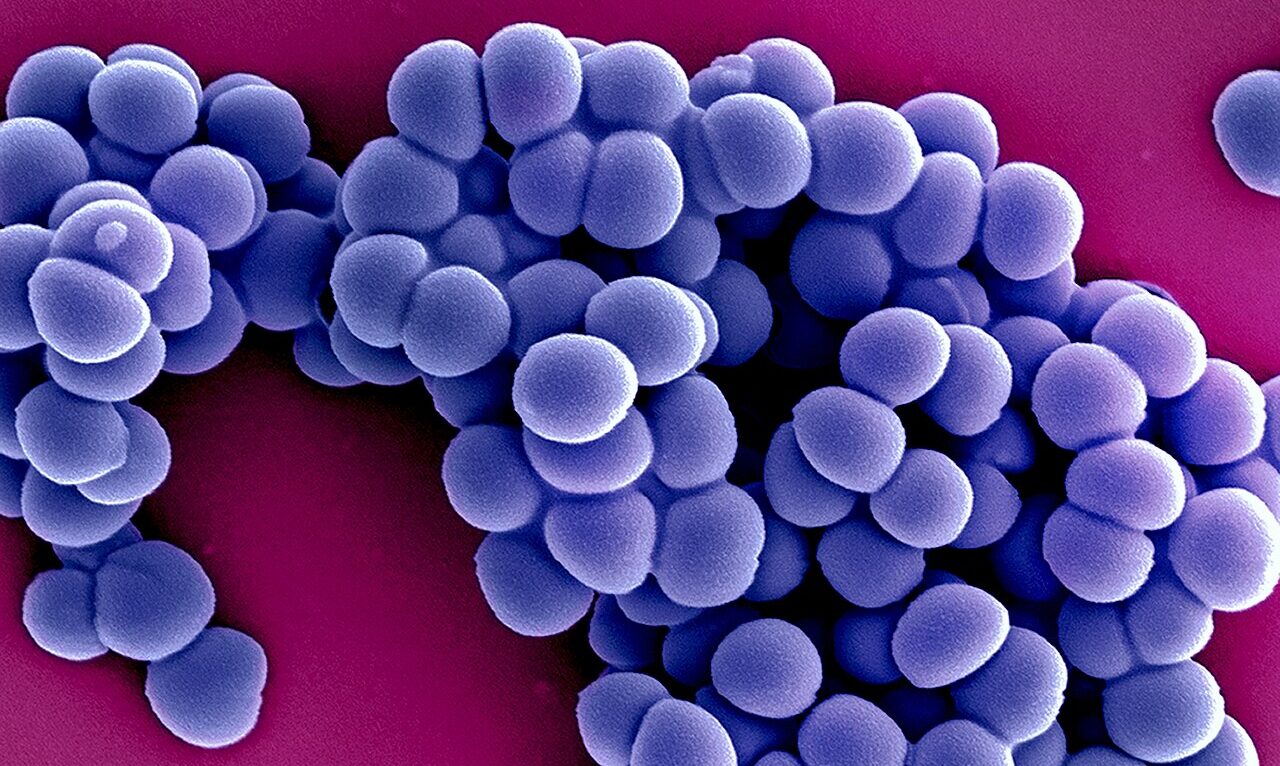
A key weedkiller ingredient could help hospital ‘superbugs’ to spread, overseas research proposes.
Scientists tested the antibiotic and glyphosate resistance of bacteria strains from an Argentinian wetland reserve, and of drug-resistant bacteria like those found in hospitals.
Hospital ‘superbugs’ with high drug resistance were also better at surviving glyphosate, which could be because the microbes tolerate them both in similar ways.
The researchers found that the soil microbes with glyphosate resistance were related to the multidrug-resistant bacteria, and speculate that weedkiller exposure could leave more potential ‘superbugs’ in the soil.
The Science Media Centre has gathered comments from two NZ experts.
Professor David Ackerley, Director of Te Matapihipihi – The Centre for Biodiscovery at Victoria University of Wellington, comments:
“The authors of this paper have done some comprehensive work characterising over 100 isolated bacterial strains for their resistance to both antibiotics and the herbicide glyphosate. However, their framing of the work is a bit too sensationalist for my liking.
“One Health is an important concept that views the health of humans, animals, plants and ecosystems as being interconnected and seeks sustainable solutions to optimise health across this network. A key focus is on the use of antibiotics in inappropriate settings, but if other human activities such as glyphosate spraying promote antimicrobial resistance (AMR), then we definitely want to know about it.
“Given the title of the work (“Glyphosate resistance as a potential driver for the dissemination of multidrug-resistant clinical strains”), I was surprised that the authors did not seek to compare bacteria from equivalent glyphosate-exposed versus glyphosate-free environments. Instead, they isolated 68 bacterial strains from a herbicide-free wetland, and assessed them alongside 35 previously-isolated strains that included a mix of drug-resistant hospital isolates and bacteria from herbicide-impacted soils.
“A central finding was rather at odds with the work’s title: “Regarding AMR phenotypes (Table S2), no pattern was observed that correlated this trait with glyphosate resistance in all strains”. That is to say, despite suggesting glyphosate resistance may drive antimicrobial resistance, the authors actually saw no correlation between glyphosate resistance and antibiotic resistance.
“The authors did find that most of their hospital-isolate bacteria were strongly resistant to glyphosate, and quite reasonably suggest that the same mechanisms that promote drug resistance can also cause glyphosate resistance. A more accurate title of their paper might therefore have been that “Antibiotic resistance is a potential driver of bacterial glyphosate resistance”, rather than pitching things the other way around. However, that would be less ‘One Health’ relevant and likely not garner quite the same headlines.”
Conflict of interest statement: “None.”
Professor Naresh Singhal, Director – Water Research Centre, University of Auckland, comments:
“Antibiotic-resistant bacteria pose one of the biggest threats to humanity. Despite over a decade of research, many basic questions remain unanswered. For example, could the herbicides we use for weed control also accelerate the spread of antibiotic-resistant bacteria?
“A new study from Argentina uses a combination of over 100 bacterial strains and genomic analysis to conclude that the answer is “yes”. The approach enables direct comparisons between clinical and environmental settings, yielding several troubling insights.
“Firstly, the study finds that clinical multidrug-resistant bacteria exhibit high tolerance to glyphosate, which is unusual given that glyphosate is not applied to humans.
“Secondly, the study reports that some environmental strains, e.g., Enterobacter species, and hospital pathogens show similar antibiotic resistance profiles. This has significant implications, as it indicates that antibiotic resistance in agricultural environments and clinical settings could form a continuum, something our resistance control policies have historically ignored.
“Lastly, glyphosate resistance did not primarily result from changes to the herbicide’s target enzyme. Instead, it arose from efflux pumps and phosphonate-degrading pathways, the same mechanisms that drive antibiotic resistance. This sharing of mechanisms between non-antibiotics and antibiotic triggers suggests that the development of antibiotic resistance in soils, water, and humans could be deeply interconnected. Also, this implies that resistant environmental bacteria could inhabit the human body, leading to unforeseen infections.
“If we are to succeed in dealing with this calamitous threat, our policies for managing antibiotic resistance need to be urgently updated to acknowledge this continuum of effects.”
Conflict of interest statement: “I have no conflict of interest to declare, as I have no professional or personal associations with the authors of this study or the funding providers. The comments I have provided on the issue are independent of these factors.”
Our colleagues at the AusSMC have also gathered expert comments. See below for a selection.
Professor Mark Blaskovich, the Director of Translation in the Institute for Molecular Bioscience at the University of Queensland, comments:
“The study adds to the increasing body of evidence that bacteria exposed to a range of chemicals in different environments can develop increased resistance against being killed by antibiotics.
“Traditionally, it was thought that antibiotic resistance was just driven by overexposure to antibiotics, both within humans and in the environment. However, in recent years there have been reports the things like the antiseptic triclosan (used in handwash) and other drugs used for non-infection therapy can lead to bacteria surviving concentrations of a range of antibiotics.
“In the current study, the authors have found that the common weed killer glyphosate, extensively used in the environment, might have a similar effect, though in a subtly different manner. They tested bacteria isolated from soil samples in Argentina, and compared them to bacteria isolated from Argentinian patients. They found that the types of environmental bacteria that survived higher concentrations of glyphosate were similar to the pathogenic antibiotic-resistant bacteria that infect humans. Therefore, glyphosate treatment of crops may lead to the soil microbiome (the collection of different species of bacteria normally found in soil) being enriched in the types of bacteria that are more dangerous to humans.
“The study did not establish a direct connection of transmission between the environmental bacteria and the resistant human bacteria, nor did it show that glyphosate causes bacteria to develop resistance, which are areas for future research.”