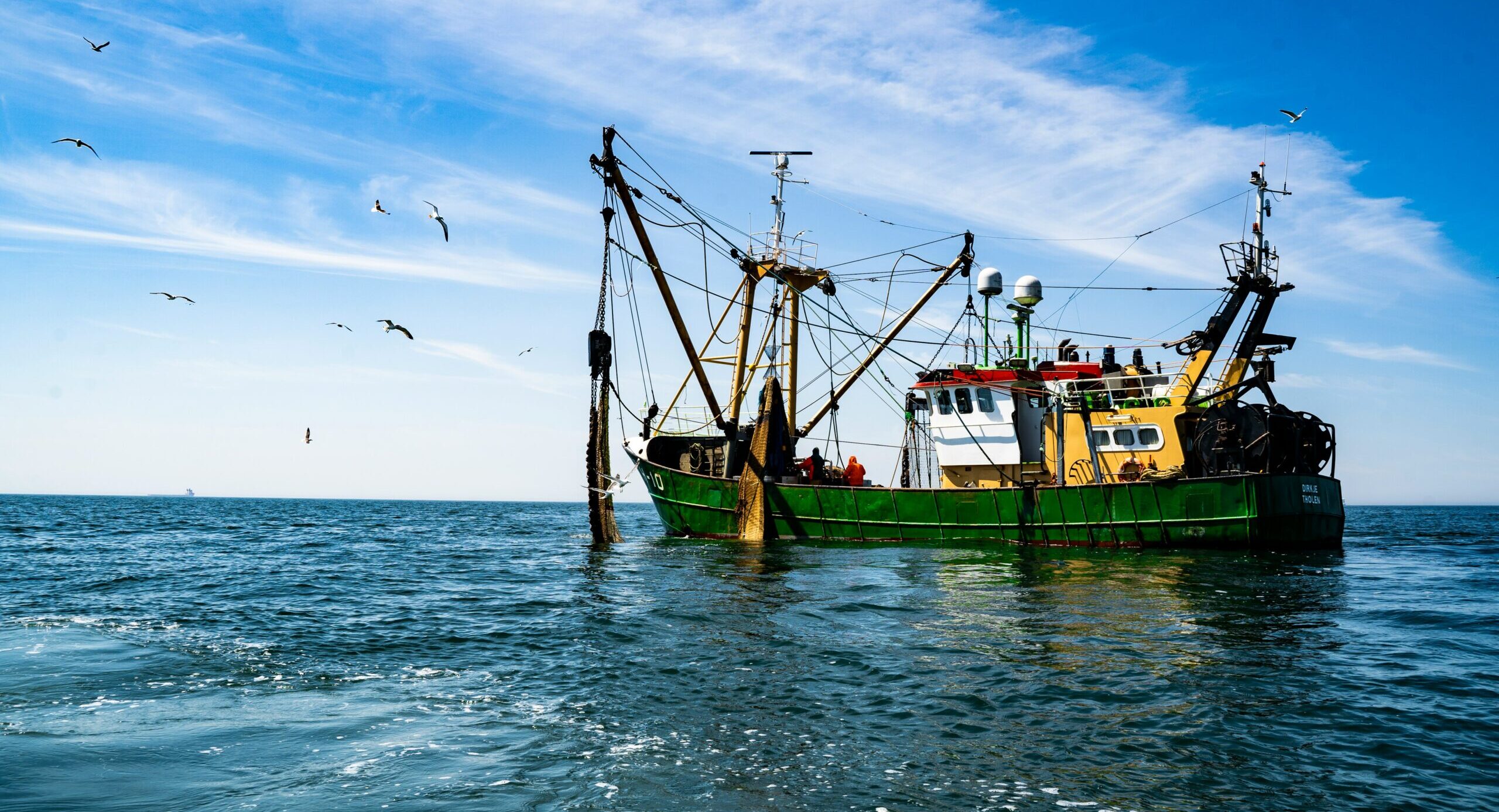
Fisheries has been a hot topic this election, with proposals for bottom trawling bans, marine reserves, and fishing quota reform.
The SMC asked experts for more context on fisheries. Read on for the full comments from three experts.
Francisco Blaha, Independent Fisheries Advisor, comments:
“Not long ago the pressure ran towards deregulation. Today, with a million recreational fishers in play, everyone is competing to look the greenest. Marine reserves, trawl bans and bag limits get announced from boats and in wetsuits (I live on Waiheke, so we have been watching the marine reserve process with interest for at least 4 years – furthermore, protection must not come at the expense of mana whenua rights).
“Fair enough, but a pendulum swinging the other way is still a pendulum. What I don’t see in any party’s offer is the boring stuff that actually decides outcomes. Pre-agreed harvest strategies, more frequent stock reviews, and rules that shape fishers’ incentives would do more for fish than most headline promises.
“For example, the mechanisms behind the “harvest-strategy” approach that most fisheries worldwide use successfully take politics out of management, which was key to the new legislation, yet the media and politicians never discussed it. The Bill proposes Management Procedures: pre-agreed rules that link changes to catch limits directly to data. If the stock looks like this, management does that. No lobbying required, no political horse-trading mid-crisis. This is standard practice in the world’s best-managed fisheries, including those where I work in the Pacific Islands.
“Similarly, bottom trawling needs habitat-based management, not just a ban date… that is just poor leadership. If biodiversity impacts and ecosystem disruption from food harvesting are sufficient reasons to ban a practice at sea, then, logically, we should also scrutinise land-based activities using the same criteria. For example – agriculture results in a 100% loss of flora biodiversity in the cultivated land, along with other well-known ecological costs such as habitat destruction, chemical inputs like pesticides and agrochemicals, and significant greenhouse gas emissions. This is not an argument against further regulating bottom trawling but rather a call for consistency. Finally, one of the biggest stumbling blocks for proposed bottom trawling bans which are not discussed is Māori fisheries interests, as lot of Māori owned quota is in trawled fisheries that cannot be economically extracted by other gears (i.e. you cannot longline Hoki). So if governments are phasing out bottom trawling, compensation should be provided.
“The least we can do is have the real argument – one about incentives, about the scientific and policy background of decisions being made, about what systems change behaviour, and about what we want the fishery to look like for each stakeholder in twenty years – rather than shouting past each other about slogans.”
Conflict of interest statement: “I don’t have ties to any fishing company in NZ, but I’m a non motorised recreational fisher and spearfished in NZ. All of my work is international at the moment.”
Dr Elizabeth Macpherson, Professor of Law and Rutherford Discovery Fellow, University of Canterbury, comments:
“It is encouraging to see fisheries and oceans policy on the election agenda. For too long the oceans have been neglected by central and local governments, despite the fact that New Zealand’s EEZ is the fifth largest in the world and covers a space 15 times the size of our landmass.
“Earlier this year, Minister Jones pressed pause on his reforms of the Fisheries Act when it became a political hot potato. However, the coalition has progressed other fisheries reforms, including that the impacts of fishing on the marine environment cannot be managed under the RMA and its successor legislation. The Government has also found itself repeatedly in court, as environmental advocates continue to challenge fisheries management decisions. All major political parties have released fisheries and oceans policies, covering fishing rights and stocks, to marine protected areas, to fishing methods including bottom trawling.
“Most of these state that oceans decision-making should be based on robust research. This reflects international law requirements that decisions be based on the best available information, including Indigenous knowledge. However, two things deserve greater attention in most of these polices: the need for New Zealand to adopt an ecosystem-based approach to marine management, and the need to ensure Treaty rights and interests are upheld.
“The marine species that we value for social, cultural, environmental and commercial reasons are not discrete, static, entities that can be managed in isolation from the living, interconnected ecosystems they form part of, including the climate cycle. It is not just individual fish stocks that are under stress. The ocean’s entire system is under cumulative stress, including from overfishing, climate-driven ocean warming, pollution and sedimentation, and microplastics.
“Our existing oceans laws are highly fragmented and in need of reform. International law of the sea principles require state parties including New Zealand to take an ecosystem-based, and precautionary approach to oceans management (where environmental effects are not well understood), reduce pollution and support the restoration of the ocean, and proactively manage cumulative effects in the ocean including compounding effects from climate change. An ecosystem-based approach to marine management was researched extensively during the ten years of the Sustainable Seas National Science Challenge (2014-2024), which produced a suite of actionable policy recommendations and guidance for Government.
“An ecosystem-based approach to marine management recognises that humans are part of the ecosystem and have both an obligation to care for the ocean while it provides food and livelihood in return. In Aotearoa’s legal and constitutional context, this means that upholding the rights of iwi and hapū Māori under Te Tiriti o Waitangi and Treaty settlements is non-negotiable, and oceans reform must be pursued in partnership with iwi and hapū. The need to protect Indigenous marine rights and share the benefits of fishing equitably is recognised in the BBNJ Agreement (known as the High Seas Treaty). The overwhelming message of the UN Ocean Decade is that for marine science to transform the state of our oceans it needs to include Indigenous peoples who have routinely been sidelined from ocean policy discussions despite their longstanding rights and relationships with the ocean.
“National’s Fisheries Policy suggests that funding technical fixes to fishing technologies will adequately meet the challenges facing our oceans. But these are not simply technical problems. They are social, historical, economic and legal problems, which require broad, transdisciplinary knowledge to confront. Following the conclusion of the National Science Challenges, it is essential that the production of this knowledge is actively funded in Aotearoa. Ironically, the subsequent gutting of the research funding system, especially for the humanities and social sciences, has meant that we are no longer well-placed to lead the world in innovative, transdisciplinary oceans research that draws on mātauranga and tikanga alongside western research. This requires urgent attention.”
Conflict of interest statement: “Elizabeth is also a barrister and has acted as lawyer and policy adviser for public and private sector and Indigenous peoples on matters related to environmental law and Indigenous rights and interests.”
Dr Shawn Gerrity, Postdoctoral Research Fellow, Marine Ecology Research Group, University of Canterbury, comments:
“The debate on fisheries policy headed into this election needs stronger scientific perspective and recognition of non-fishing impacts degrading New Zealand’s marine ecosystems. Many proposed policies focus exclusively on commercial fishing, with spatial fishery closures promoted as a silver bullet. Yet closures are a blunt tool that often fail to address the real drivers of decline, including ineffective recreational fishery management frameworks and non-fishing stressors.
“Closures do not reduce fishing effort but rather concentrate it over a smaller area, effectively outsourcing depletion elsewhere. As New Zealand’s population grows, proposals to close more fishing grounds must consider such unintended consequences. Scientific literature contains numerous examples where closures produced no measurable gains in stock abundance or biodiversity.
“Closures also fail to address other serious contributors to fishery decline, particularly sedimentation from intensive land use and modified catchments. While millions are invested in marine restoration and conservation, far less attention is given to ongoing sediment inputs that continue to degrade critical habitats. Closures and broad fishing restrictions will achieve little if habitats are unhealthy and underlying issues persist.
“Effective fisheries policy must confront the full range of impacts on marine ecosystems, not just fishing itself. Policymakers should draw on established scientific evidence and be realistic about what new legislation can and cannot achieve.”
Conflict of interest statement: Dr Gerrity is Science Officer for the Pāua Industry Council.