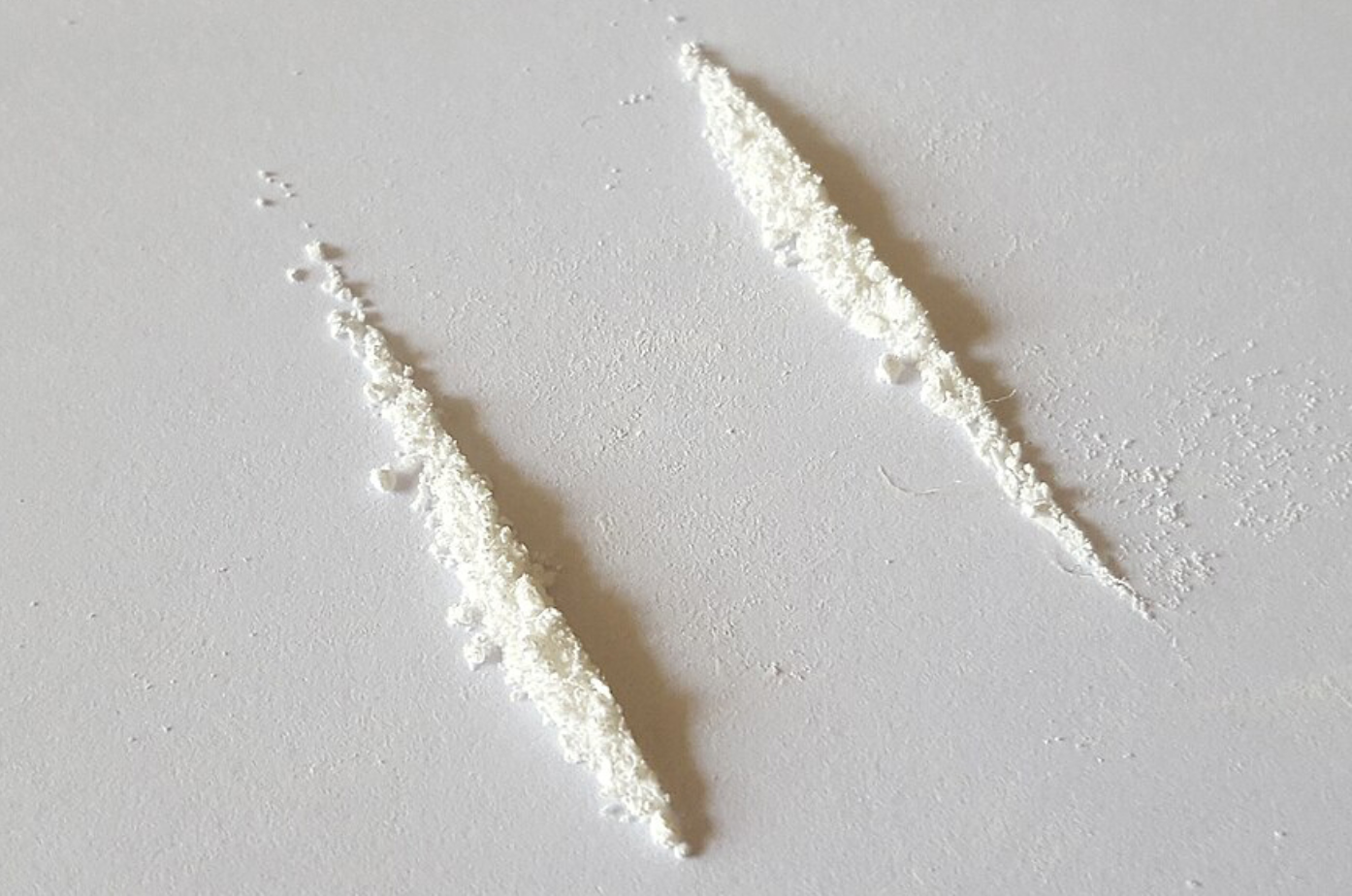
Cocaine use in NZ is increasing as it becomes cheaper and easier to get, according to the latest data from the NZ Drug Trends Survey.
Nearly a third of respondents report having used cocaine in the last 6 months, compared to just over a tenth in 2017/18.
The bulletin says the social acceptability of cocaine is another reason for the rise.
The Science Media Centre has gathered comments from the research team behind the survey and independent experts.
Professor Chris Wilkins of the NZ Drug Research Team, SHORE & Whāriki Research Centre at Massey University, which conducted the survey, comments:
“Cocaine use in New Zealand is becoming more common and widespread, while at the same time the price has fallen substantially once inflation is taken into account. Greater availability, increasing social acceptance and lower prices are all contributing to people using more cocaine. Cocaine use in NZ is in the ‘honeymoon’ phase where use looks glamorous and consequence-free, people are yet to experience the serious addiction and social harm that is well-known in mature cocaine markets like North America and Europe.
“People who reported using more cocaine most commonly pointed to its increasing availability, greater social acceptance and declining price. For those using less or stopping, the cost of cocaine and concerns about their mental and physical health were the main reasons.”
Full comments from Prof Wilkins are available in the Massey University media release.
Conflict of interest statement: Professor Wilkins is part of the team which runs the NZ Drug Trends Survey.
Dr Fiona Hutton, Associate Professor in Criminology, Te Herenga Waka – Victoria University of Wellington, comments:
“The rise in use of cocaine in Aotearoa is a trend that has appeared in several places such as the NZ drug trends survey, wastewater testing and at drug testing clinics. For example, ‘knowyourstuffNZ’ found in drug checking in 2025/26 that ‘cocaine made up 10% of everything tested this season, up from 6% last year and 5% the previous year. This tracks with national wastewater testing showing an ongoing increase in cocaine consumption across the country.’
“While there has been an increase in cocaine use over the past decade, as noted by the NZDTS, it is also noted that the frequency of cocaine use remains low with most participants using cocaine monthly or less frequently. A ‘moral panic’ type response to the rise in cocaine use should be avoided with a focus instead on a health-based harm reduction approach.
“Those using cocaine (or any other illicit drug) should try and get their substances tested – drug checking is legal here in Aotearoa – and make sure they check out information about this particular substance e.g., https://thelevel.org.nz/drug-information/cocaine.
“There are several variables thought to be contributing to the rise in cocaine use e.g., increasing availability, social acceptability and lower prices, as well as changes in international drug markets, demonstrating that a holistic approach to reduce drug related harm is likely to be the most effective.
“While ‘moral panic’ type responses are unhelpful, monitoring drug trends shows that drugs and drug use fluctuate over time with new substances making their way onto the market or traditional drugs such as cocaine finding new popularity – governments and policy makers should ensure those working with people who use drugs have the resourcing to support those who may have problems associated with cocaine (and other drug) use and to examine ways to effectively reduce harm, rather than focusing solely on supply side ‘war on drugs’ type responses that often cause more harm.”
Conflict of interest statement: “I am on the board of KnowYourStuffNZ.”
Associate Professor James Foulds, Forensic psychiatrist; and Director of the Christchurch Health and Development Study, University of Otago, Christchurch, comments:
“This is important work from a well-established research group at Massey University. The work is consistent with what I’ve observed among people in contact with the justice system in New Zealand.
“Shifting patterns of cocaine use in New Zealand are a major public health concern given the well-recognised problems associated with cocaine use.”
Conflict of interest statement: “No COI.”
Dr Rhys Ponton, Senior Lecturer, School of Pharmacy, University of Auckland, comments:
“These survey findings support the trends that we have seen over the last year and a half through wastewater testing and samples presented at drug checking clinics.
“Cocaine has historically been scarce in New Zealand compared with the United States and Europe. If cocaine availability continues to increase, and the price drops further, it is inevitable that we will see an increase in use. This shift in the market means healthcare professionals and services working with people who use drugs will need to adapt their advice and approaches to include cocaine.
“Cocaine brings a unique set of risks to the consumer. Having a short duration of action leads to consumers taking multiple doses over a short period of time, which can be harmful, particularly to the nasal mucosa when snorted. Due to its vasoconstrictive effects in combination with increased heart rate, it raises blood pressure, with potentially harmful effects, including strokes. Regular use can lead to a psychological dependence in some people.
“New Zealand should build on its harm reduction approach, including expanding access to drug checking and encouraging its use, to protect consumer health and reduce the burden on the health system.”
Conflict of interest statement: “No conflict of interest to declare.”
Professor Khylee Quince, AUT Law School, comments:
“This latest data confirms the long-standing perception that cocaine is somehow “safer” and “cleaner” than other illicit substances.
“This is likely to be connected to the heavy correlation between cocaine use and socio-economic advantage and status – which may of course also be a proxy for ethnicity, that cocaine is a white drug for white people.
“Cocaine users are likely to be employed and be high earners, so this perception is a form of confirmation bias – whereby people believe information that supports their views and behaviours – cocaine is ok, but meth is not.
“However, easier access to cocaine and falling prices has meant that cocaine use amongst Māori has almost trebled in recent years, illustrating a probable gap between the perception and reality of who is using cocaine in Aotearoa and in what context.
“The findings in relation to social acceptance of cocaine also illustrates the importance of ensuring that our responses to drug use appropriately reflect the risks and consequences of consumption, including strong public education, prevention measures and access to treatment and support where necessary.”
Conflict of interest statement: “No conflicts.”