A new NZ report says microplastics are found through every part of the environment, posing a risk to ecosystems and human health.
The report from PHF recommends more detailed monitoring of micro- and nanoplastics and their impacts.
While NZ has banned some single-use plastics, a long-delayed ban on hard-to-recycle food and drink packaging is reportedly being shelved.
The SMC asked experts to comment on plastics policies and microplastics in the environment.
Associate Professor Nathan Cooper, Environmental Law, University of Waikato, comments:
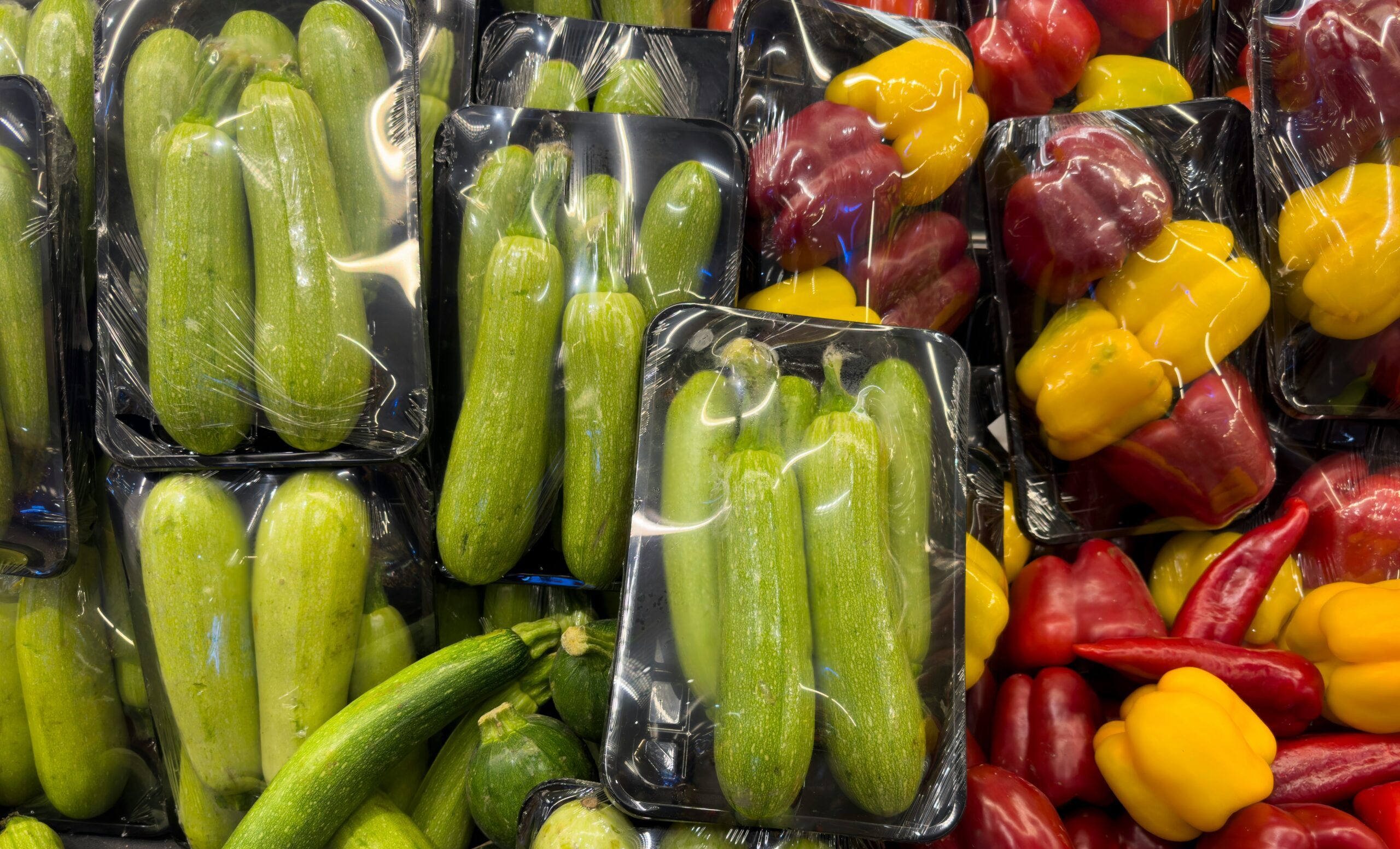
“Plastics production continues to grow rapidly, creating more demand for fossil fuel, at a time of climate crisis, and generates hundreds of millions of tonnes of waste and associated pollution. There is already international agreement that micro and nano-plastics represent a risk to human health. Not banning plastic food packaging, including PVC and polystyrene, means these will continue to pose a risk to consumers in New Zealand and overseas.
“The Government’s decision not to proceed with a ban on hard-to-recycle plastics in food packaging represents the latest failure to show leadership on urgent environmental issues. It sends another clear message that the government prioritises short term commercial profits over responsible stewardship as well as people’s health.
“While the ban would have meant a costly transition for industry, continuing to do business in ways that harm health and ecological integrity should not be an option.”
Conflict of interest statement: Nathan has declared he has no conflicts of interest.
Professor Trisia Farrelly, Coordinator of the Scientists’ Coalition for an Effective Plastics Treaty, comments:
“There is more than enough scientific evidence for the government to enact policies, without delay, that guard against chronic human exposures to hazardous food contact materials. New Zealand risks losing market share as other jurisdictions adopt effective policies based on the best available independent science on the migration of plastic chemicals of concern and microplastics from plastic food packaging into content – and their environmental harms.
“In February this year, Chile’s final phase of its plastics bans was rolled out. It now prohibits both compostable and non-compostable single-use items for on-site consumption and requires supermarkets to stock at least 30% of beverages in returnable bottles. In August this year, the Canadian Federal Govt restored the 2021 order and confirmed the Single-use Plastics Prohibition Regulation which lists plastics as a schedule 1 toxic substance and phases out bags, stirrers, cutlery etc. It should also be noted that many Pacific Island countries have more effective plastic packaging policy than New Zealand.
“The European Union’s Packaging and Packaging Waste Regulation is a comprehensive regional policy. However, its recycled-content requirements for food packaging should be paired with stronger chemical safety oversight as peer-reviewed evidence indicates recycled plastics — particularly PET — can carry a higher diversity of hazardous chemicals (including carcinogens like benzene and styrene, and the endocrine disruptor BPA) than virgin plastic.
“Not all international standards are alike. Some are guided by the best available independent science while others are heavily influenced by industry resulting in very different safe limits. For example, European Food Safety Authority (EFSA) has stringent standards for chemicals of concern in plastic food packaging. As the result of a 2023 re-evaluation of its safe limits and based on the emerging independent science, the EFSA made the decision to lower its safe daily limit from 4 micrograms per kilogram body weight per day to 0.2 nanograms per kilogram body weight — a 20,000-fold reduction. That’s five orders of magnitude more conservative than the safe limit for BPA recommended by the US EPA figure.
“A global plastics treaty is on the horizon. Governments and business would do well to prepare by starting to implement the key effective elements with high levels of support from UN member states below:
- more than 50 countries signed the ‘Bridge to Busan Declaration on Primary Plastic Polymers’’ (April 2024) calling for multilateralism to achieve sustainable, reduced levels of virgin plastic production and production transparency;
- 97 countries who supported the ‘Nice Wake-Up Call for an Ambitious Plastics Treaty’ (June 2025) urging, inter alia, nations to create a legally binding global treaty targeting the entire lifecycle of plastic pollution, including reduction targets and phasing out toxic chemicals;
- 70 countries that signed the High Ambition Coalition Member States Ministerial Joint Statement for INC-5 which includes a legally binding and full-life-cycle approach including measurable timebound primary plastic polymer reduction targets, and criteria and measures including for phasing out some plastic products, polymers and chemicals of concern, and binding transparency and reporting requirements across the entire plastics value chain ; nor the
- 95 countries who supported the Switzerland and Mexico joint Conference Room Paper (CRP) regarding Article 3 that calls for measures and bans on trade of hazardous plastic products and chemicals of concern including chemical traceability.”
Conflict of interest statement: “Professor Trisia Farrelly (ONZM) is the Coordinator of the Scientists’ Coalition for an Effective Plastics Treaty, Honorary Fellow, Massey University, and Senior Scientist Cawthron Institute.”
Dr Olga Pantos, Science Leader, New Zealand Institute of Public Health and Forensic Science (PHF Science), and author of the report, comments:
“Plastics have become an integral part of our daily lives, including in ways most of us aren’t even aware of because we’re not the ones using them directly but are reliant on them indirectly. They are used in everything from food production, for example being used in slow-release fertiliser coatings and agricultural mulch, to food processing equipment (pipes, filters, moulds etc.) and packaging, to our clothing, with about 60% of clothing now being made from synthetic fibres.
“Microplastics and nanoplastics (plastic particles smaller than 5 mm and 1 µm, respectively) result from the fragmentation of larger plastics, whilst others are intentionally made to be that size, for example glitter. They have been identified throughout natural and built environments, from oceans and freshwater systems to soils, sediments, the air we breathe and inside plants and animals. Consequently we are exposed to them via the food we eat, the water we drink and the air we breathe.
“The complex nature of micro/nanoplastic contaminants poses significant challenges in understanding their impact on organisms. Studies have identified a range of potential biological effects, including physical impacts on organisms, chemical toxicity from plastic additives and contaminants attached to plastic particles, and changes associated with interactions between plastics and microorganisms. However, there is a strong body of international research demonstrating that they pose a significant risk to ecosystems and the organisms within them. With regards to potential human health effects, whilst there is less known, there is a rapidly growing body of evidence that they present a credible risk that warrants further research and monitoring.
“Establishing monitoring of micro/nanoplastics is a vital tool for the management of future risks. Establishing routine monitoring of key environmental compartments and known sources of contamination will aid our understanding current levels of exposure and how micro/nanoplastics move through the environment. This information will improve our understanding of potential impacts on human health and ecosystems, inform future risk assessments, and support the development of effective mitigation strategies.”
Conflict of interest statement: Dr Pantos authored the report on micro- and nanoplastics in the environment.