In the largest legal claim ever brought by the Australian government, a $2 billion lawsuit has been launched over PFAS, known as ‘forever chemicals’, which are still used in many everyday products in NZ and worldwide.
These human-made chemicals don’t break down easily and so can build up in the body and environment over time. This has led to concerns about potential health and environmental impacts.
The Science Media Centre asked experts how worried we should be about PFAS, and how NZ’s regulations compare globally.
Professor Melanie Kah, School of Environment, and Associate Professor Erin Leitao, School of Chemical Sciences, The University of Auckland, comment:
How are forever chemicals impacting our health and environment in NZ?
“PFAS are extremely persistent and many PFAS also accumulate in living organisms, increasing the likelihood of reaching concentrations that trigger negative effects on human and environmental health. There are increasing lines of evidence suggesting that exposure to PFAS lead to human health issues, notably liver damage, low birth weight and suppressed immunity. The US-EPA has classified some PFAS as likely human carcinogens (kidney and testicular cancers), which explains the very stringent guidelines for drinking water in the USA (there is no safe exposure for cancer-causing chemicals).
“Most existing data are for legacy PFAS (PFOS and PFOA), which are now banned globally, but new toxicity data are becoming available for newer PFAS, including those that are still on the market. Determining the specific impact PFAS have on the NZ population and environment requires more monitoring data, including monitoring of organisms, including humans, to estimate exposure levels. Such data are currently very limited in NZ.”
What can people do to reduce their exposure to forever chemicals?
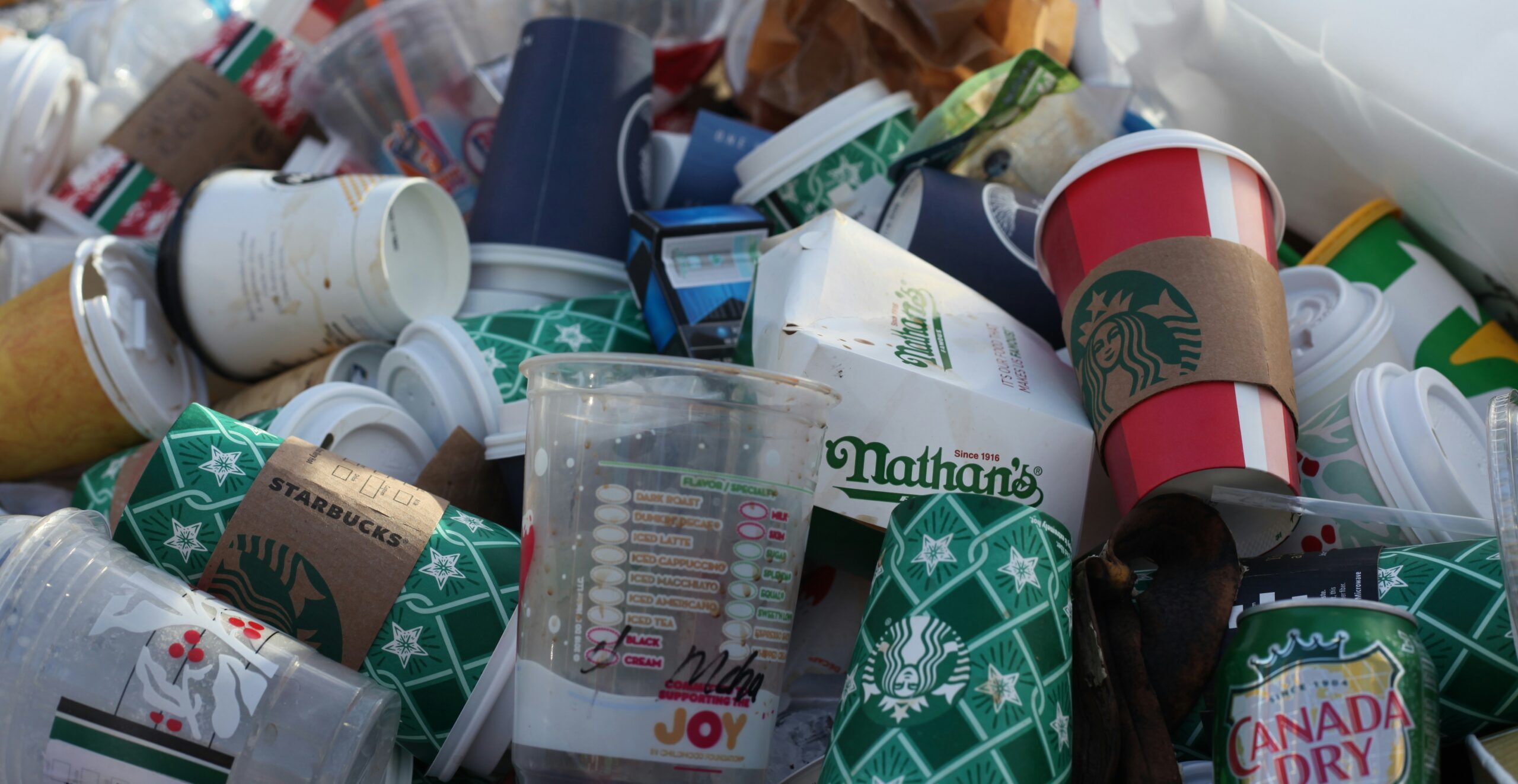
“Based on international data, it is generally assumed that the general population receives most exposure to PFAS from food intake (especially protein-rich foods and freshwater fish), while consumer products (e.g., furniture, carpet, and other PFAS-treated textiles) play a relatively minor role. Avoiding microwave popcorn and fast food in paper-based packaging is likely to reduce the exposure of frequent users.
“There is need for more NZ-specific data, including some that consider mahinga kai (traditional gathering) practices. For instance, fish from contaminated water bodies are likely to contain elevated levels of PFAS, possibly exceeding acceptable limits, but data are currently very limited. Only a small fraction of PFAS exposure is expected to come from drinking water for the general population. This was confirmed by the drinking water analyses we conducted a couple of years ago across cities in NZ; PFAS levels were very low, which is great news.
“After learning about PFAS, some people may be tempted to discard PFAS-containing products they own (e.g., anti-stick pan, rain jacket) prematurely, which is unlikely to significantly reduce their exposure. Instead, disposal of these items creates unnecessary waste and accelerates the release of PFAS in the environment, so it is not recommended. However, when it is time to replace a PFAS-containing item, look for PFAS-free alternatives. Many companies have innovated to provide high-quality products without PFAS.”
How are forever chemicals being regulated in NZ compared to in other countries? Are we ahead or behind?
“NZ can be considered ahead in some areas (e.g., the early phase-out of PFAS in fire-fighting foams and cosmetics) and behind in others (e.g. relatively high drinking water limits). When regulating chemicals, NZ tends to follow other countries with greater resources for developing science-based regulations. In this context, the NZ EPA is closely watching the development of regulations in Europe, the USA, and Australia and evaluating their relevance to NZ.
“To be efficient, regulations must consider the local context. For instance, NZ has no history of PFAS manufacturing and our capacity to destroy PFAS is limited compared to other countries. Regulations developed overseas will need to be adapted to be suitable for NZ. More NZ-specific monitoring data are needed to guide this process.”
Should we be banning forever chemicals? If so, what would replace them?
“We fully support a ban on non-essential uses of PFAS and other persistent chemicals. Once released, PFAS accumulate in soils, groundwater, surface waters, crops, livestock, wildlife and people. No feasible technology exists to remove PFAS from agricultural soils, restore entire watersheds or extract PFAS from oceans or the atmosphere. Therefore, banning PFAS is urgently needed to minimise their production and environmental release as soon as possible.
“PFAS currently provide numerous functions in a wide range of sectors. They cannot be replaced by a single chemical type. Research to find alternatives is currently very active, including in NZ, and the list of molecules or processes that can deliver similar functions to PFAS is growing rapidly. In addition to reducing human and environmental exposure, restricting PFAS to essential uses will further promote innovation in finding alternatives, leading to a more sustainable and healthier future.”
How realistic is it for companies to phase out forever chemicals over a few years, as is expected with PFAS in cosmetics?
“The decision to ban PFAS in cosmetics followed a transparent process, including public consultation, and NZ EPA is proposing to engage actively with industry. Many companies have already made the transition, and since alternatives are available, it is likely that only a small fraction of cosmetics entering NZ still contain large amounts of PFAS.
“Now, we need a robust plan to ensure compliance, which raises several challenges. For instance, how will we deal with products that contain small but measurable levels of PFAS that were not intentionally added? Which PFAS should be monitored? PFAS is a large family of thousands of molecules, and we typically only track fewer than 100. It would be very interesting to collect data on the composition of cosmetics over time and follow the potential changes after the ban, so we can evaluate the efficiency of the ban and the level of compliance.”
Conflict of interest statement: Both Professor Kah and Associate Professor Leitao declare no conflict of interest other than academic research on PFAS.
Peter Cressey and Dr Olga Pantos, Science Leaders, PHF Science, comment:
How are forever chemicals impacting our health and environment in NZ?
“While studies have reported associations between PFAS exposure and a wide range of human health effects, the findings of different studies are often inconsistent or contradictory. Health effects due to PFAS have been reviewed by the European Food Safety Authority (EFSA) and the US Agency for Toxic Substances and Disease Registry (ATSDR). Both organisations identified the following effects as having the strongest evidence for a causal association:
- Immune system effects, specifically decreased antibody response to vaccines,
- Increased levels of fat in the blood, particularly total cholesterol and low-density lipoprotein (LDL) cholesterol, which is a risk factor for heart disease
“There is greater uncertainty around reported effects on the liver and small decreases in infant birth weight.
“Both of these evaluations were restricted to four PFAS, due to a lack of information on other PFAS. However, these four PFAS account for about 50% of PFAS detected in human biomonitoring and have long elimination half-lives in humans. That is, they remain in the human body for a long time. It was also noted that mechanisms by which PFAS cause adverse human health effects have not been established.
“There is less evidence for the impact of PFAS on the environment, although studies have reported lower reproductive rates and immune responses in some animal species.”
What can people do to reduce their exposure to forever chemicals?
“PFAS are used in a very wide range of products used in our day-to-day life; including non-stick cookware, waterproof clothing, food packaging (such as grease-resistant paper and takeaway containers), stain-resistant fabrics and carpets and some cosmetics because of their properties of thermal and chemical stability, high water and oil repellence. Consequently exposure routes include food, drinking water, indoor air and dust. People can reduce their exposure by limiting use of products that contain PFAS, for example by choosing PFAS-free cookware, avoiding fast food packaging where possible.
“PFAS can also be unintentionally present in products, as they may be found in raw or starter materials such as the plant material used for fibre-based food packaging, or become contaminated during the manufacturing process. This means exposure can still occur even when PFAS are not deliberately added, highlighting that although it is difficult to completely avoid exposure, it is possible to significantly reduce it by removing major sources.”
How are forever chemicals being regulated in NZ compared to in other countries? Are we ahead or behind?
“In the case of PFAS, New Zealand has some restrictions on certain PFAS chemicals, but it is not comprehensive, and does not include food packaging. Current controls rely on voluntary industry action and ongoing policy development.”
Should we be banning forever chemicals? If so, what would replace them?
“Current evidence has led to recommendations to phase out or ban PFAS as a class, particularly in food packaging, because their persistence, bioaccumulation, and uncertain risks make regulating individual chemicals insufficient. When we consider replacements, it should not be limited to replacing the chemical but changing the material and/or process. For instance, in the case of PFAS use in food packaging, you could change the material (e.g., compressed fibres that resist grease), change the coating (e.g., wax coating) or change the product design to avoid the need for PFAS in the first place.”
How realistic is it for companies to phase out forever chemicals over a few years, as is expected with PFAS in cosmetics?
“This will depend on the product. In cosmetics, because PFAS is typically used to improve texture or durability rather than being essential to how the product works reformulation may be faster.
“In contrast, it will be a much longer transition for the fashion and outdoor industry to move away from the use of forever chemicals in its gear and apparel because of the greater complexity, particularly in outdoor and performance gear. Because PFAS are key to making fabrics waterproof, stain-resistant, and durable for removing them will require the redesigning of entire materials and supply chains, not just swapping one ingredient for another.”
Conflict of interest statement: “No conflicts of interest.”
Dr Peter Dawson, Principal Scientist – Hazardous Substances, Environmental Protection Authority (EPA), and previous Chair of the UN’s Stockholm Convention Persistent Organic Pollutants Review Committee (POPRC), comments:
How are persistent organic pollutants, including forever chemicals (PFAS), impacting our health and environment in NZ?
“POPs, or persistent organic pollutants, are organic chemicals which are restricted under the international Stockholm Convention because they persist in the environment and build up in humans and animals and undergo long-range environmental transport to be deposited far from their place of release, and can lead to adverse effects on human health and/or the environment. Some PFAS (per- and polyfluoroalkyl substances) are listed as POPs under the Convention.
“There is a shortage of monitoring data on New Zealanders and the New Zealand environment which makes it difficult to answer the question above. The last POPs biomonitoring study on the New Zealand population was conducted in 2013. This study found that the levels of PCBs and the dioxins and furans in the blood serum of New Zealanders were low by international comparison, while the levels for the organochlorine (synthetic organic compounds containing carbon chlorine bonds) pesticides were similar or lower compared to those for other developed countries. The study also showed that the levels of these POPs had substantially reduced since the time of an earlier study in 2001. The 2013 study, however, is the only one that has measured the levels of PFAS in New Zealanders. The results here showed that while PFAS were detected in all samples, the levels were similar or lower than the levels found in other developed countries for some PFAS but significantly lower for PFOS.
“New Zealand-wide, temporal, studies on PFAS in the environment are also lacking. In 2023, the EPA released a report with findings from the first large-scale testing for PFAS in New Zealand groundwater. The results showed there was very little contamination of groundwater in the areas tested, and so a low level of risk from these chemicals – noting that this was a background study, generally of areas where PFAS contamination was unlikely to have occurred. The EPA is planning to support further groundwater testing together with councils and other agencies.”
What can people do to reduce their exposure to forever chemicals?
“Only a few PFAS, including the ones listed as POPs, have been extensively studied and shown to cause adverse health and/or environmental effects. While there is evidence of associations between exposure to PFAS and a number of adverse health effects, much of this has come from studies overseas on high-exposure population groups such as certain occupational exposures. For most people, the level of exposure to PFAS is likely to be small. The primary exposure for the general population is through diet and drinking water but in New Zealand there is very little evidence of contamination of either of these sources.
“However, since a common property of PFAS is their persistency in the environment, it is prudent to take a precautionary approach to its management and to look for ways to proactively reduce the potential exposure to people and the environment.
“Avoid exposure to products which may be known or are likely to contain PFAS. This would often be difficult, however, as PFAS are rarely identified on product labels. (See the response below about the EPA’s regulation of PFAS in cosmetics.) Avoid sources of contaminated drinking water or food – an unlikely situation in New Zealand but there are some localised contamination hot-spots from use of PFAS-containing firefighting foam where precautions may be advisable.”
How has the Stockholm Convention influenced regulation of forever chemicals around the world and in NZ?
“When the Stockholm Convention came into effect in 2004 there were 12 POPs listed, mainly legacy organochlorine pesticides such as DDT and Dieldrin which had been widely used in New Zealand, and PCBs (polychlorinated biphenyls) and the polychlorinated dioxins and furans which can be unintentionally produced during combustion processes. Since 2004, a further 25 POPs have been added to the Stockholm Convention including some that have recently or still are used in a wide range of products.
Four groups of PFAS (per- and polyfluoroalkyl substances) – the so-called ‘forever’ chemicals – are now listed as POPs under the Stockholm Convention:
- PFOS (perfluorooctane sulfonic acid),
- PFOA (perfluorooctanoic acid);
- PFHxS (perfluorohexane sulfonic acid) and,
- coming into effect in December this year, long-chain perfluorocarboxylic acids (LC-PFCAs).
“Each of these groups include large numbers of PFAS related to the named compounds so now there are around 900 PFAS compounds which are restricted as POPs under the Stockholm Convention. This still only represents a small fraction of all PFAS which number anywhere between 10,000 to 15,000 compounds and which range from small, simple chemicals to complex polymer substances.
“The listing of PFOS under the Stockholm Convention in 2009 and then PFOA in 2019 raised the awareness of the wide-ranging uses of PFAS in products, some of which had dispersive uses which were known to be causing environmental contamination, and contributed to the development of alternative products. This was particularly the case with firefighting foams where there has been extensive work by industry to develop fluorine-free alternatives to meet phase-out timelines on PFAS foams put in place under regulatory frameworks around the world. In New Zealand, in order to avoid the ‘regrettable substitution’ of the POPs-listed PFAS foams with foams containing PFAS which are not listed as POPs it was decided to phase out all PFAS– containing firefighting foams to the same timeline.
“New Zealand has signed the Stockholm Convention, so must stop or limit producing, using, importing, and exporting POPs listed under this international environmental agreement. This is done through provisions in the Hazardous Substances and New Organisms Act (HSNO) by adding the POPs to a list in the Act. At its twelfth meeting in Switzerland in May 2025, the parties to the Stockholm Convention decided to list three new chemicals, making them subject to international restriction. The EPA recently called for submissions on proposals to restrict these three new POPs (chlorpyrifos, MCCPs, and LC-PFCAs).
“Cabinet approval is needed to amend the HSNO Act to add these POPs, including any specific exemptions that may apply.”
How are forever chemicals being regulated in NZ compared to in other countries? Are we ahead or behind?
“In some areas, New Zealand is ‘ahead of the game’ in regulating and restricting the use of PFAS. We have fully implemented the first three listings of PFAS compounds as POPs under the Stockholm Convention with no exemptions remaining in place. This means that none of these compounds are permitted to be used in New Zealand any longer. We are also on track to adopt the Stockholm listing of the long-chain PFCAs which comes into effect in December this year.
“In addition to the restrictions on firefighting foams from the Stockholm listings, the EPA has regulated the phase-out of all PFAS -containing firefighting foams from all uses (with some site-limited exceptions) since December 2025. This possibly makes New Zealand the first country to achieve this – several years ahead of the European Union, for example.
“The EPA has also regulated for the complete phase-out of all PFAS from all cosmetic products from the end of this year. Again, it is likely that New Zealand is the first country in the world to do this. We have also worked with our Australian colleagues to produce the HEPA (Heads of EPAs of Australia and New Zealand) PFAS National Environmental Management Plan. This is a world-leading guidance document on best practice management of PFAS contamination in the environment.
“Where we are perhaps a bit behind is in knowing what levels of exposure there actually are to the environment and people of New Zealand due to the lack of environmental monitoring.”
Should we be banning forever chemicals? If so, what would replace them?
“Many countries around the world are now taking action to better regulate or restrict the use of PFAS. This follows a growing body of research into the prevalence of these chemicals and their potential impacts on health and the environment. One example is the European Union, which is considering a ban on the use and manufacture of all PFAS chemicals in all uses that are not considered critical or essential.
“Where PFAS products can be substituted, particularly where the uses can lead to releases to the environment or direct exposures to people, there can be a case to consider their phase out.
“The EPA takes a precautionary approach to regulating these chemicals and this means we are continuing to look at ways to proactively reduce potential risks to people and the environment, and to build on the action already taken to phase out their use in firefighting foams and in cosmetics. Use of any chemicals involves a careful consideration of the risks of using them against the benefits incurred. As a society we need to be having this discussion, and at the EPA we want to facilitate this, to make sure the risks are clear, minimised as much as possible, and that necessary chemical use is done safely.”
Conflict of interest statement: “No conflicts of interest.”