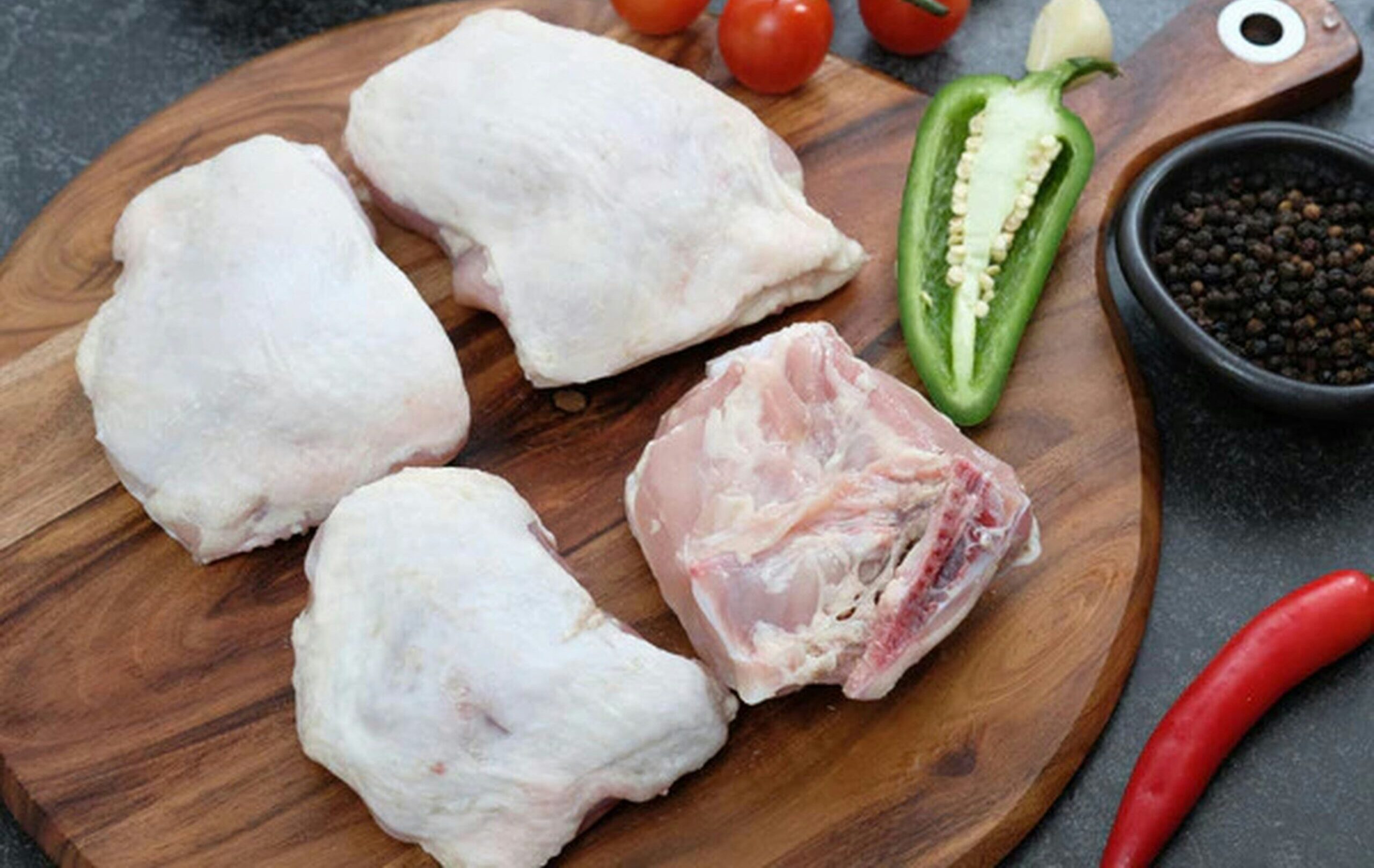
MPI is warning of the health risks of washing raw chicken, with surveys showing around
Raw or undercooked chicken is the most common source of campylobacteriosis, one of the most reported foodborne illnesses in the country. MPI says rinsing chicken under the tap can spread campylobacter around the kitchen.
Note: Food safety surveys are from 2023 (NZ only) and 2026 (NZ & Aus).
The Science Media Centre asked experts to comment.
Professor Michael Baker, Department of Public Health, University of Otago, Wellington, comments:
“I welcome advice from MPI encouraging people not to wash raw chicken to reduce spread of campylobacter from contaminated chicken meat. Cross contamination from fresh chicken is the major source of human infection with this bacteria in New Zealand.
“Such awareness campaigns about not washing fresh chicken have been run overseas for a number of years, including in the UK in 2014.
“An obvious question is why MPI is not requiring producers of fresh chicken to label their product as contaminated with campylobacter. Such warning labels could explain the need to avoid washing chicken and other precautions that should be taken to protect consumers.
“We published a paper in 2018 reporting that New Zealand consumers had poor knowledge about the risks of campylobacter infection from fresh chicken, including that a sizeable proportion thought that ‘rinsing fresh raw chicken under the tap will reduce your likelihood of getting sick from it’. MPI is fully aware of this research. That 2018 article called for mandatory food safety labels on fresh chicken meat packaging.
The wider issue is why MPI is not taking more vigorous steps to end this epidemic. The critical need is for action to greatly reduce levels of contamination on fresh chicken meat in general, rather than putting all of the responsibility onto consumers – a strategy that is clearly insufficient.”
Conflict of interest statement: “No conflicts to declare.”
Dr. Julie Collins-Emerson, Molecular Epidemiology & Public Health Laboratory, Massey University, comments:
“Raw chicken can be a risk for contracting diseases such as campylobacteriosis and salmonellosis and only small numbers of organisms need be ingested to cause an infection. The bacteria frequently reside within the chicken gut, but often contaminate the carcass during the butchering process.
“Although washing raw chicken may decrease the numbers of bacteria on the meat surface, rinsing it in the sink poses added risks. Washing contaminates the sink and generates splashes and aerosols that carry food-poisoning bacteria such as Campylobacter or Salmonella in the small droplets that then can land on the area around the sink, on utensils and other nearby food.
“This type of cross-contamination in the kitchen poses a major health risk for diseases such as campylobacteriosis.
“Best practice involves scrupulous attention to washing with hot, soapy water any surface that raw chicken has contacted, including hands, utensils and cutting boards, which will help minimise the risk. Additionally, do not forget to wash sink tap handles if you have touched those after handling raw chicken.
“As bird flu can contaminate a carcass, washing raw meat is not a good practice. However, it should be noted that to date, no H5N1 (bird Flu) cases have been identified in NZ commercial poultry stock. Commercial poultry products (meat/eggs) from the supermarket are not considered a risk when good food handling procedures are followed. Additionally, the bird flu virus is destroyed by heat, so ensure poultry is cooked thoroughly.”
Conflict of interest statement: “No conflicts of interest.”
Professor Steve Flint, School of Food Technology and Natural Science, Massey University, comments:
“The washing of raw chicken is something that has been discouraged for many years. It is one of the key strategies to avoid Campylobacter infection. This is why you can purchase chicken in bags that are ready to roast without handling the raw chicken. Washing raw chicken is spreading any contamination on the chicken around the kitchen where it can contaminate other food and the general environment.
“An additional risk is the contamination of the hands when handling the chicken so if the hands are not thoroughly washed with soap and water after handling the raw chicken, the hands become a source of contamination of any food that is handled.”
Conflict of interest statement: The expert has declared they have no conflict of interest.
Distinguished Professor Phil Bremer, Department of Food Science, University of Otago & NZ Food Safety Science & Research Centre Chief Scientist, comments:
“Washing chicken can result in any Campylobacter that may be present being spread around the sink, or onto dishcloths or people’s hands and subsequently onto food contact surfaces.
“If these contaminated surfaces then come into contact with foods, such as salad ingredients, that do not receive a cooking step prior to consumption, the viable Campylobacter could be consumed and cause disease. The ingestion of very low numbers of these bacteria can cause illness.
“Cooking poultry to 75°C for 30 seconds will kill all the Campylobacter that may be present. Cooking and avoiding cross-contamination from poultry to other foods or cooking utensils is sufficient to ensure that any potential Campylobacter on poultry does not cause illness.
“If avian influenza becomes established in NZ the washing of poultry would still be strongly discouraged as it would increase the risk of consumers being exposed to the virus. If poultry is handled and cooked (75°C for 30 seconds) correctly the risk posed by avian influenza to human health is negligible.”
Conflict of interest statement: “I have no conflict of interest other than those indicated by my employment with University of Otago and NZFSSRC.”
Associate Professor Siouxsie Wiles, Microbiologist, University of Auckland, comments:
“As a microbiologist, I’m very concerned to hear that so many people in New Zealand wash their chicken before cooking it. There are lots of studies showing that raw chicken can harbour the microbes responsible for a range of nasty illnesses, including very serious forms of food poisoning which can be deadly. I can understand how people might think washing chicken is the way to get rid of those microbes and make getting sick less likely, but it actually has the opposite effect.
“That might sound counterintuitive, but a really nice study carried out more than 30 years ago shows why. Researchers from the USA and the Czech Republic (now Czechia) used high-speed cameras and agar plates to investigate what happens when you wash chicken. The high-speed camera footage showed water being splashed outside the sink area, with the amount of splashing dependent on the speed the water was flowing at and the distance between the chicken and the water. The agar plates showed evidence of bacteria growing from the splashed water.
“In other words, when you wash raw chicken, you end up splashing water containing harmful bacteria onto your surrounding kitchen surfaces and anything that may be on them. The researchers called this “chickensplash”.
“The best way to get rid of the harmful microbes in chicken and other poultry is to thoroughly cook the meat. Make sure to also clean any chopping boards and utensils that have come into contact with raw poultry using hot water and detergent. I also spray kitchen bench surfaces afterwards with an antibacterial surface cleaner – make sure to read the instructions about how long to leave the spray on the surface before wiping it off as the antibacterial agent needs time to kill the bacteria. And finally, make sure to thoroughly wash your hands after handling raw poultry.”
Conflict of interest statement: “No conflicts of interest to declare.”