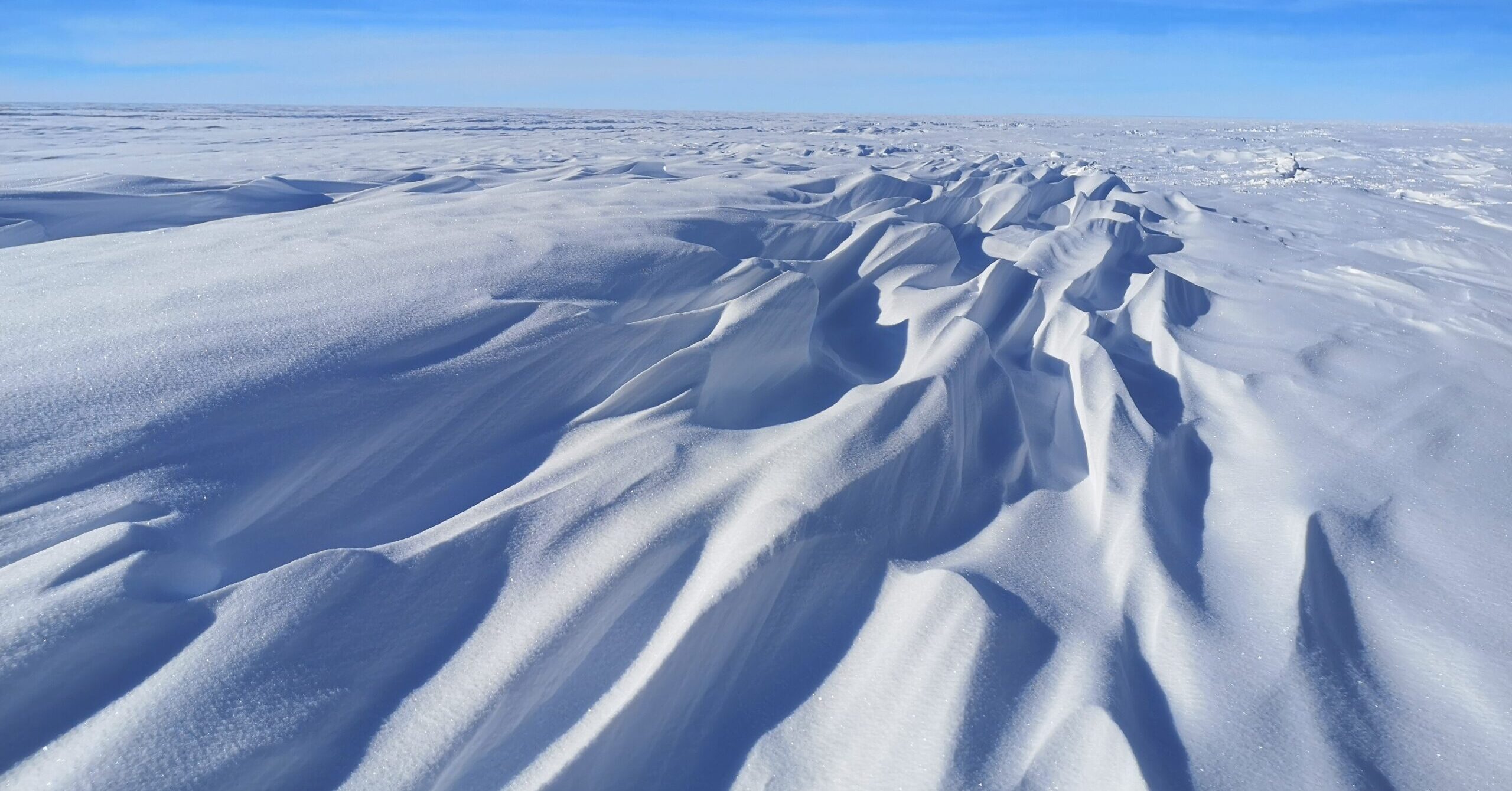
A region of Antarctica with enough ice to raise sea levels by up to four metres is the least explored section of the continent, according to a research team including an NZ scientist.
The Wilkes Subglacial Basin in East Antarctica is largely unexplored, but the researchers say there is already evidence that it has retreated substantially during past periods of global warming.
The researchers have compiled everything we currently know about the Wilkes Subglacial Basin, and say that if we don’t fill the gaps in our knowledge, we won’t know the type of conditions that could trigger large-scale melting and sea level rise in the future.
An NZ expert spoke at a media briefing from the Australian Science Media Centre, and an excerpt of her comments follows.
Professor Nancy Bertler from the Antarctic Research Centre at Victoria University of Wellington and Principal Scientist and Ice Core Research Leader at Earth Sciences New Zealand, comments:
“For a long time, [the West Antarctic] ice sheet was certainly more vulnerable, and we knew that it was vulnerable. When [my team] and I started our careers, none of us thought that East Antarctica – which is so much bigger, so much colder, so much thicker, in a cooler atmosphere – would be affected in our lifetimes.
“What we now see in the sparse data that we have from surrounding areas of the Wilkes Subglacial Basin [in East Antarctica] really reinforces the message that it’s an area that is at risk.
“When we look at past records, we can identify times where the climate was warmer than today. In the Mid-Pliocene, about 3 million years ago, CO2 was between 365 to 415 parts per million. Here you can see some very substantial retreat of the [East Antarctic] ice sheet and very significant contributions to global sea level, but also very strong implications for the rest of the climate system, in particular the ocean currents and everything that’s associated with that. We are now at 426 parts per million, so we’re at even higher CO2 than we observed in the Pliocene.
“But of course, past climates are not today, which means there’s a remaining uncertainty that we need to grapple with and to improve – and that can really only happen with better observations and better model outputs. And to do that, we really need this big international collaboration to drill, for example, through the ice sheet to access the rock and the sediment below to understand how far this ice sheet really has retreated at certain points in the past.
“This big international coordinated effort where we need multiple icebreakers to be in the area at the same time will take a 5 to 10 year timeline. But we cannot afford to wait until 2032 to start this work.
“[We need] to get buy-in from the nations to maintain a presence in the area so that we can see early warning signs of imminent change that could have major implications.
“It is such a difficult area with such foul weather to work in, so it takes serious conviction to make progress, but the science community is rallied behind this.
“So there’s urgency that comes from this project. It’s really less than a decade that we’ve realized that the changes we observe in East Antarctica are well ahead of what any of us expected, and because of the different configurations of West and East Antarctica, we’re catching up.
“We’re really trying to understand now, so we’re not being caught off guard.”
Conflict of interest statement: Professor Bertler is a co-author of this research.