New Zealand has some fine reporters covering research and innovation news. Based all over the country, from Auckland to Wellington to Christchurch, they help to ensure that New Zealanders are kept up to date with science-related issues both here and abroad.
We’ve categorised them by their main focus areas (but keep in mind that many of these reporters work across categories):
- Science and technology
- Environment
- Health
- Agriculture
- Data journalists
- Broadcast producers and hosts
Science and technology
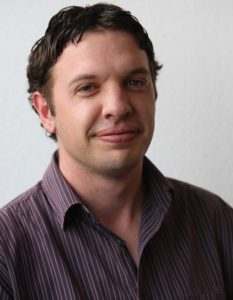 |
Jamie Morton
Deputy Editor at The Conversation NZ Jamie is keen to hear about new research from or directly relevant to our people and environment. He was the New Zealand Herald’s science reporter from 2012-2025, covering research, medicine, technology, conservation, the environment and climate change. Location: Ngāmotu New Plymouth
Contact: jamiekmorton@gmail.com
|
 |
Katie Kenny Digital Explainer Editor, RNZ Katie produces content online and on air that helps people make better sense of the information-saturated world we live in. Often this involves providing essential background to complex and significant news stories. Previously, she was a national correspondent at Stuff, where she helped lead award-winning, fact-checking project, The Whole Truth. Location: Ōtepoti Dunedin Contact: katie.kenny@rnz.co.nz |
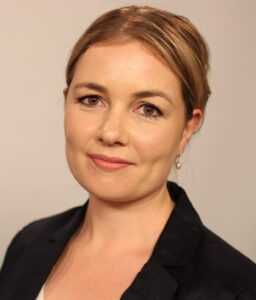 |
Alexa Cook Senior Journalist and presenter, RNZ Alexa is an international multi-award winning journalist and started with Newshub in 2020 after moving back to New Zealand from the UK, where she was a broadcast journalist for BBC News. Her news stories and documentary from spending a week mustering cattle after the Kaikoura Earthquake won her an International award in 2018 for the best agricultural multimedia journalist. Alexa also produced exclusive stories on crime in the apiculture industry, drugs in the dairy sector and water quality. Topics of interest include anything from science to environment, from farming to health. Location: Te Matau-a-Māui Hawke’s Bay Contact: alexa.cook@rnz.co.nz, +64 22 486 8730 |
 |
Naomi Arnold Freelance journalist Naomi covers a wide range of stories but particularly enjoys science and environment writing and has won multiple awards for her work. She has freelanced full-time for nearly 10 years and has written for most publications in New Zealand and international outlets such as the Washington Post and The Guardian. She has been a health and environment reporter at the Nelson Mail, a regular feature writer for New Zealand Geographic, a contract science writer for the Cawthron Institute, a senior longform journalist at RNZ, and has also written a critically-acclaimed book on astronomy, Southern Nights (HarperCollins, 2019). She is always keen to have an informal chat about potential stories or discuss what might make a science story attractive to an editor or the general public. She is also happy to provide a listening ear to scientists venting about the media! Location: Whakatū Nelson Contact: naomi.arnold@me.com |
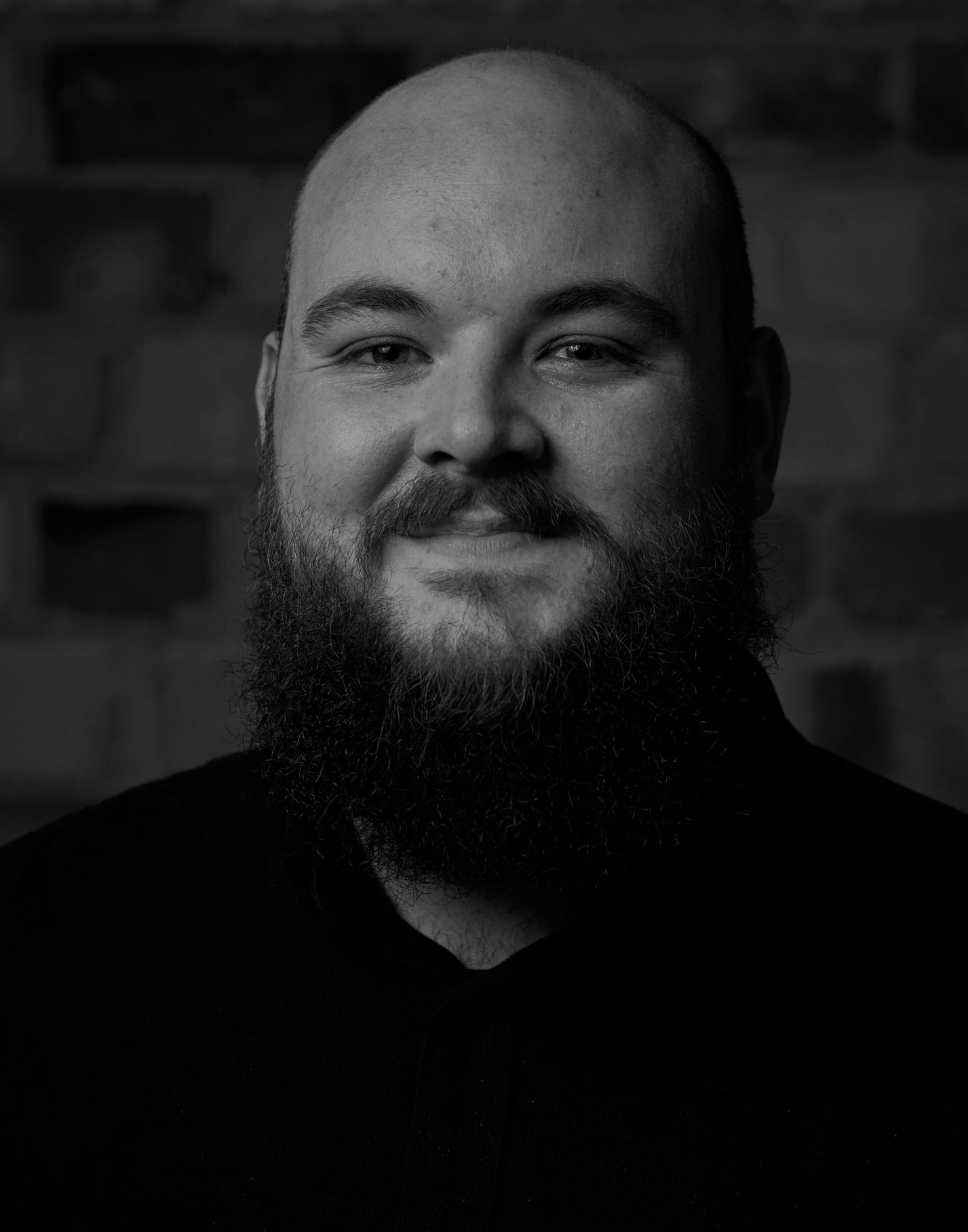 |
Baz Macdonald Multimedia Journalist, Re: News (TVNZ) Baz produces articles and documentary and has a keen focus on science related topics – including technology, environment, climate, conservation, and natural sciences. Location: Te Whanganui-a-Tara Wellington Contact: Baz.macdonald@tvnz.co.nz, +64 27 2699 451 |
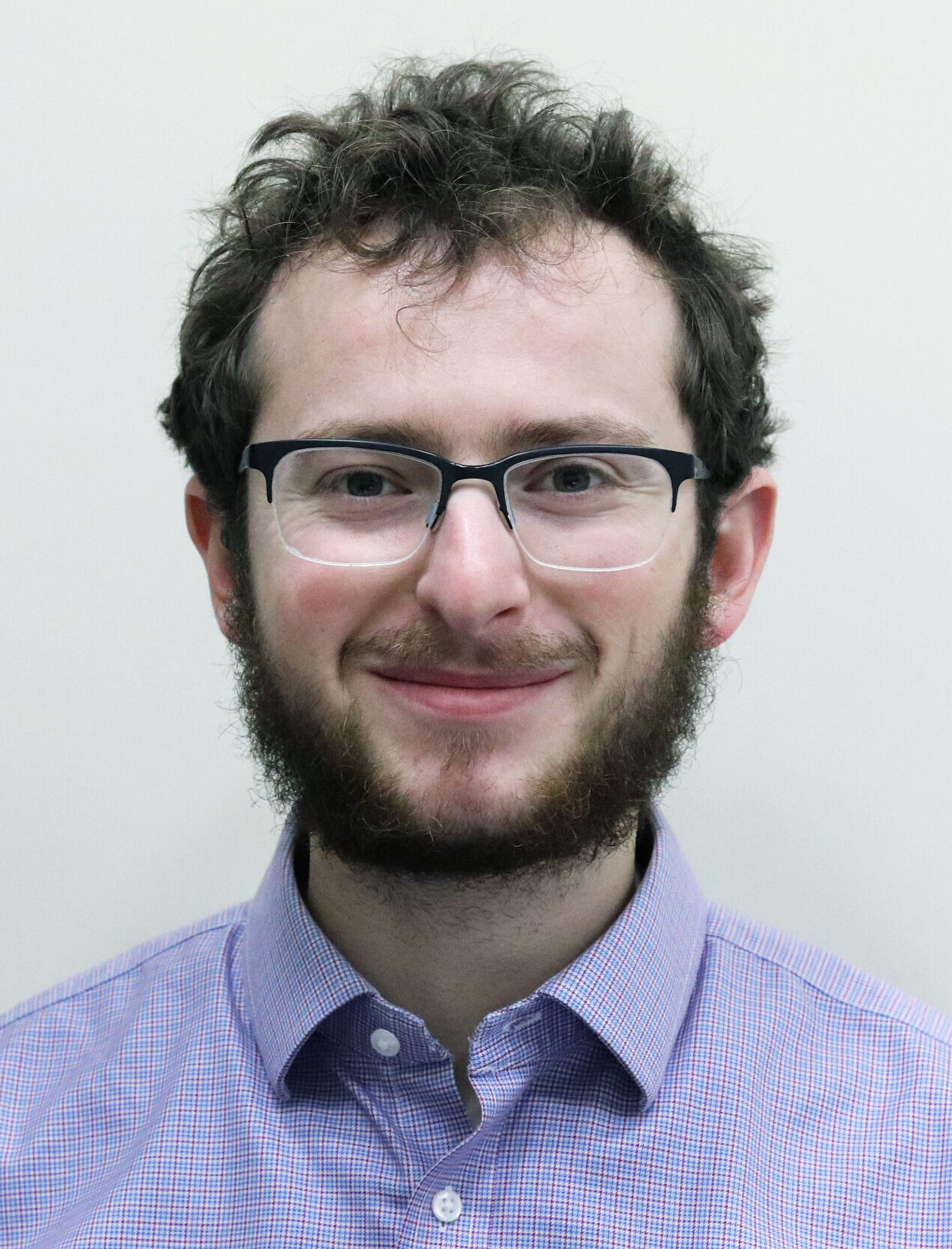 |
Marc Daalder |
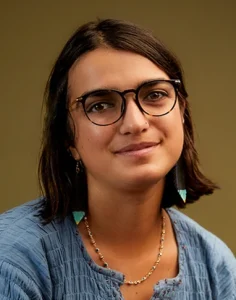 |
Shanti Mathias |
 |
Mary Argue |
 |
Fox Meyer
Political reporter, Newsroom
Fox is a political reporter in the Parliamentary press gallery. He studied earthquakes at Otago University and covers hazards, gene technology, space, freshwater policy, AI and the science sector reforms. Outside of science content, Fox spends time looking into the fast-track and lobbying. He took home the Emerging Journalist prize at the 2025 Science Journalism Awards, for his piece on impact of solar storms.
Location: Te Whanganui-a-Tara Wellington Contact: fox.meyer@newsroom.co.nz
|
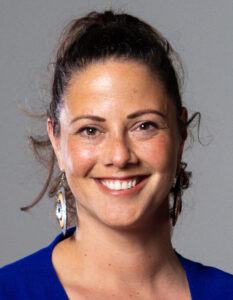 |
Khalia Strong Senior Multimedia Journalist, Pacific Media Network Khalia began her media journey as a co-host on TV3’s Pacific Beat Street, a weekly half-hour show aimed at Pacific youth. After completing a postgraduate diploma in journalism at AUT, she worked at Newstalk ZB and the New Zealand Herald and has worked at Pacific Media Network since 2021. Her work has taken her to Sāmoa, Niue, Vanuatu, Australia, and Hawai‘i, covering a diverse range of stories. Of European and Tongan heritage, Khalia is deeply committed to amplifying Pacific voices and telling their stories with respect, authenticity, and care. Her reporting interests include Pacific language, spirituality and culture, and she is excited when science confirms what our ancestors already practiced for generations. Location: Tāmaki Makaurau Auckland Contact: khalia.strong@pmn.co.nz; +64 22 010 7511 |
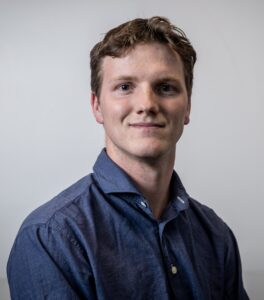 |
Lachlan Rennie Multimedia Journalist, Newstalk ZB Lachlan is an Auckland-based Multimedia Journalist for Newstalk ZB producing articles and radio. He covers a wide range of stories but with a particular interest in covering science, technology, space and climate stories. He previously studied journalism at the New Zealand Broadcasting School before joining NZME in 2024. Location: Tāmaki Makaurau Auckland Contact: Lachlan.rennie@nzme.co.nz |
 |
Greg Hurrell Journalist, Business Desk Greg left a journalism career to work around the Middle East for 23 years and returned to New Zealand full-time in 2020. He earlier studied science at the Victoria University of Wellington. Contact: greg.hurrell@nzme.co.nz |
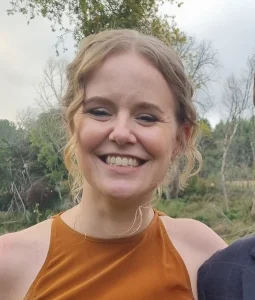 |
Emma Ricketts Reporter, Stuff Emma writes explainers and fact-checks for Stuff. She covers a wide range of topics – but loves diving into anything related to the environment, climate change, weather and health. Anything with hard facts has potential. Some of her favourite topics to write about to date have included insurance retreat and critical minerals mining – both covered in-depth for the NZ Listener while freelancing. Location: Te Whanganui-a-Tara Wellington Contact: emma.ricketts@ |
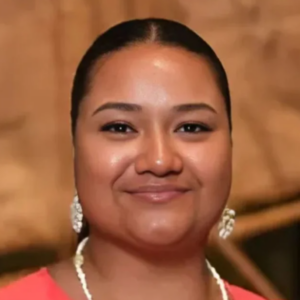 |
‘Alakihihifo Vailala Political Reporter, Pacific Media Network Based in the Press Gallery, ‘Alakihihifo reports the stories of her Pacific community regarding politics. Her journalism work has taken her to over ten countries in the Pacific region, reporting from eight in 2025. ‘Alakihihifo’s article on Tuvalu’s Coastal Adaptation Project landed her a spot as a finalist for the 2025 Science Journalism Awards. Location: Te Whanganui-a-Tara Wellington Contact: ala.vailala@pmn.co.nz ; 027 238 8087 |
 |
Michelle Duff Freelance Journalist Michelle is an award-winning writer and journalist known for tackling hard-hitting social issues. Her work on health, inequality, gender, and the climate crisis has appeared in The Guardian, New Zealand Geographic, and 1News. She was a finalist for the 2025 Science Journalism Awards for her article on how RFK Jr’s 2019 visit and anti-vaccination propaganda affected Sāmoan people’s experience of the measles epidemic later that year. Location: Te Whanganui-a-Tara Wellington Contact: mich.duff@gmail.com |
 |
Gill Higgins In-depth Reporter, TVNZ+ Gill is now an investigative journalist for TVNZ+. She has covered news and current affairs in New Zealand for nearly two decades, previously working for Close Up, Seven Sharp, 1News, Sunday and Fair Go. She has also produced and directed short and long form documentaries. Her video broadcast, Cold Water Swimming, took her to the finals of the 2025 Science Journalism Awards. Location: Tāmaki Makaurau Auckland Contact: gill.higgins@tvnz.co.nz |
Environment
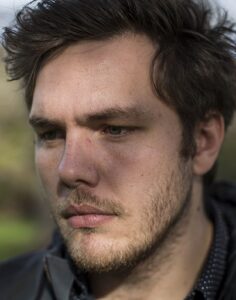 |
Charlie Mitchell National Correspondent, Stuff Charlie reports on environment and climate change as part of Stuff’s national correspondent team. He has an interest in anything related to climate change, water quality and conservation, among other environmental issues, and tends towards longer, interactive features. Location: Ōtautahi Christchurch Contact: charlie.mitchell@stuff.co.nz, +64 3 943 2824, +64 27 886 1309 |
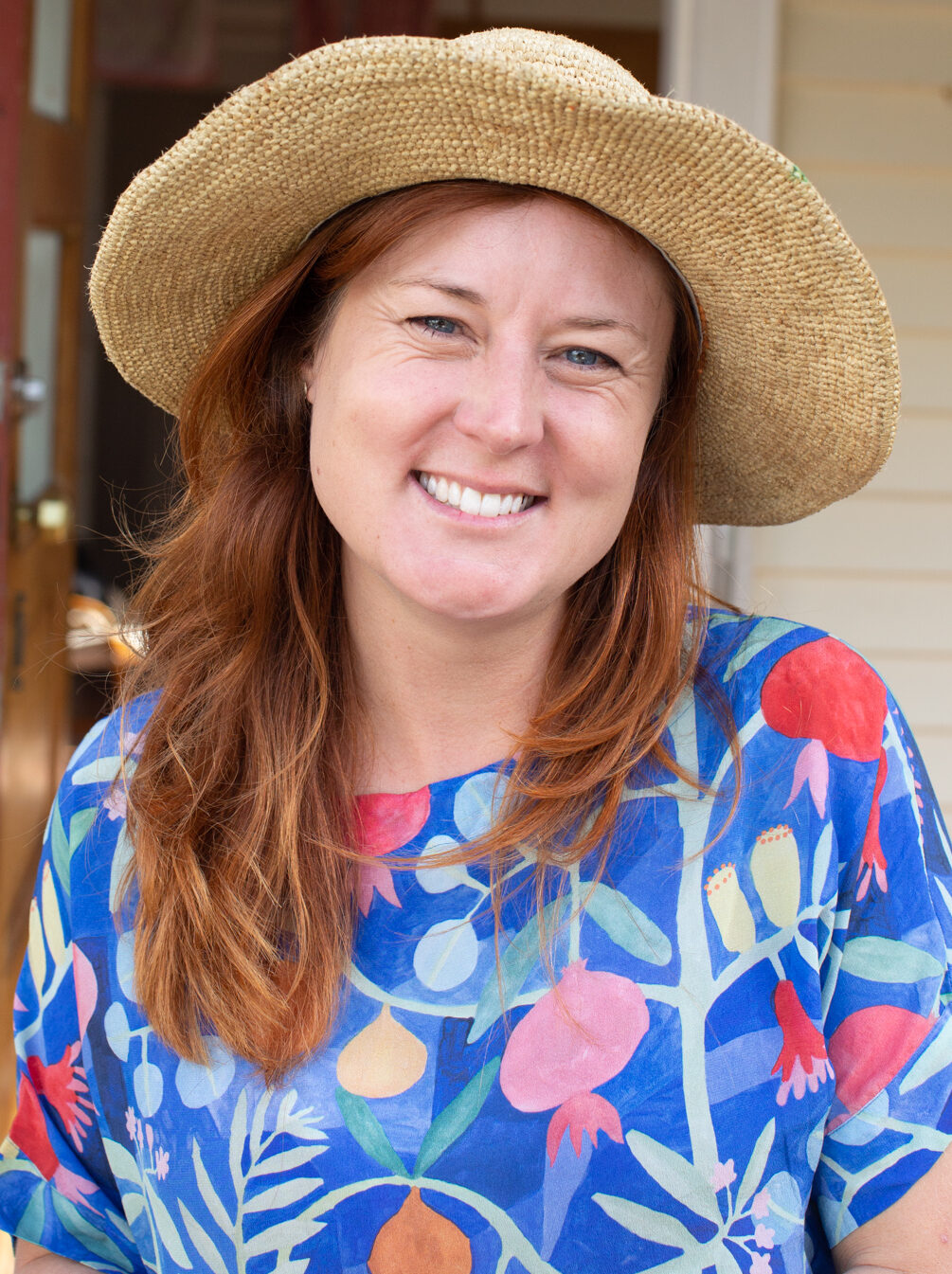 |
Kate Evans Freelance journalist Kate is an award-winning science and environment journalist who writes for a wide range of outlets including New Zealand Geographic, North and South, the Scientific American, and the Guardian. She lives in Raglan and has written a book about feijoas. Location: Whāingaroa Raglan Contact: Kategevans@gmail.com |
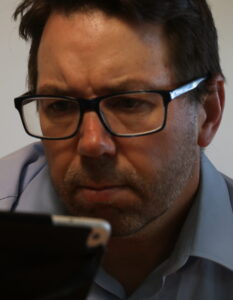 |
David Williams Environment editor, South Island correspondent and investigative writer, Newsroom David writes on a variety of topics, including health, but his main beats are conservation, water quality and climate change. He tends towards longer reads, and enjoys burrowing into the detail. Location: Ōtautahi Christchurch Contact: david.williams@newsroom.co.nz, +64 22 051 7923 |
 |
Kate Green
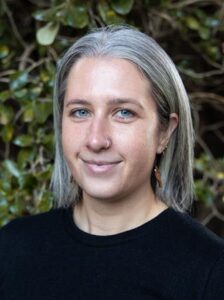
Environment journalist, RNZ Kate is a senior reporter in the Wellington news team at RNZ, with a focus on environmental stories. She previously worked as an environment and science reporter at The Dominion Post, and after her move to RNZ, spent a year based in Napier, reporting on the recovery of the East Coast and Hawke’s Bay post-Cyclone Gabrielle. She welcomes pitches on anything from policy to community projects. Location: Te Whanganui-a-Tara Wellington Contact: kate.green@rnz.co.nz |
 |
Aziz Al Sa’afin
Reporter, 1News (TVNZ)
Aziz has recently returned from Sydney where he was working as 1News’ Australia Correspondent, and he’s now back with the 6pm team in Auckland. One of his priorities is to make climate change and the environment a regular part of our bulletin, along with the rest of his coverage on social issues and other topics. Aziz is keen to build correspondence with those working in the field who might have some new research or projects that he and his team can film.
Location: Tāmaki Makaurau Auckland Contact: Aziz.AlSaafin@tvnz.co.nz, +64 21 202 1830 |
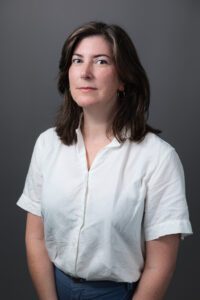 |
Kate Newton
Climate Change Correspondent, RNZ
Kate covers all aspects of the climate crisis for RNZ, with a particular focus on how we are adapting to the extreme changes we are already seeing. Kate has been a journalist since 2008 and now specialises in data journalism, features and interactives. She was a 2025 Science Journalism Award winner in the Established Professional category for her article on the artificial narrowing of the Ngaruroro River channel. If you have an idea for a story, please feel free to get in touch. Location: Tāmaki Makaurau Auckland Contact: kate.newton@rnz.co.nz ; +64 27 919 1040 |
Health
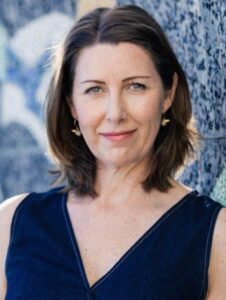 |
Niki Bezzant
Freelance journalist, editor and author
Niki is a frequent contributor to top print, online and broadcast media; currently writing features for The Listener, RNZ, Woman+ and other outlets. Her bestselling book This Changes Everything: the honest guide to menopause and perimenopause, was published in 2022. She’s interested in research around health (especially women’s health); nutrition; wellbeing and mental health.
Contact: niki@nikibezzant.com, Instagram: @nikibezzant
|
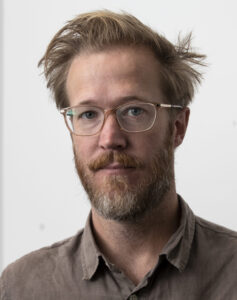 |
Isaac Davison
Investigative journalist, Stuff Isaac is an Auckland-based reporter who writes about Auckland issues, with a particular focus on healthcare. He is especially interested in human stories which highlight structural problems in healthcare. He writes daily news articles and occasional features. Location: Tāmaki Makaurau Auckland Contact: isaac.davison@stuff.co.nz; +64 21 564311 |
Agriculture
 |
Gianina Schwanecke Rural news reporter and presenter, RNZ Gianina covers all things rural and primary sector related for the web and on air. From the latest innovations and scientific breakthroughs, to what’s happening on-farm and in the markets. She also produces feature pieces as part of RNZ’s Country Life, exploring these topics and issues impacting the sector through strong human interest audio features. In 2024 she was awarded the PĀMU Agricultural Journalism Encouragement Award by the New Zealand Guild of Agricultural Journalists and Communicators. Location: Te Whanganui-a-Tara Wellington Contact: Gianina.Schwanecke@rnz.co.nz; +64 21 237 1444 |
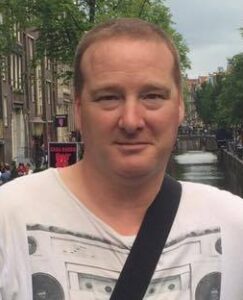 |
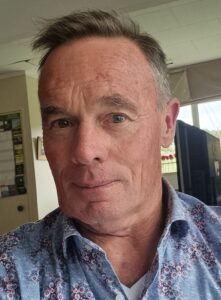
Gerald Piddock Senior reporter, NZ Farmers Weekly Gerald covers the full range of primary sector news ranging across the dairy, sheep and beef, horticulture and arable industries as well as agscience and tech. Location: Waikato Contact: gerald.piddock@agrihq.co.nz |
 |
Richard Rennie Freelance contributor, NZ Farmers Weekly Richard has 20-plus years in the industry covering all aspects of the primary sector including forestry, carbon, redmeat, dairy, horticulture and science-technology. He has a particular interest in emerging science and technology that can lift primary sector productivity, and contributes articles regularly to the Farmers Weekly in this area. He has been a two time recipient of the Rongo Award for excellence in agricultural journalism, and is increasingly working across a variety of media platforms including written, podcasting, video and social media outlets. Location: Tauranga Contact: +64 27 475 4256; richard@laurichcomm.co.nz; Instgram: @richardrennie_ |
Data journalists
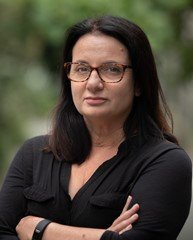 |
Farah Hancock Data and long form journalist, RNZ Farah covers a wide range of topics including the environment, water quality, conservation and health. She does interactive data projects as well as long-form stories. Location: Tāmaki Makaurau Auckland Contact: farah.hancock@rnz.co.nz |
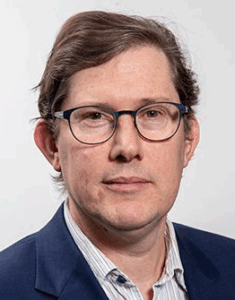 |
Chris Knox Data Editor and Head of Data Journalism, NZ Herald Chris is a scientist turned data-journalist who investigates the stories behind the numbers, and creates interactives for Herald readers to explore them. He’s also interested in more general science stories and is always keen to dust off his chemistry knowledge. Location: Te Whanganui-a-Tara Wellington Contact: chris.knox@nzme.co.nz; +64 27 711 0322 |
Producers and hosts
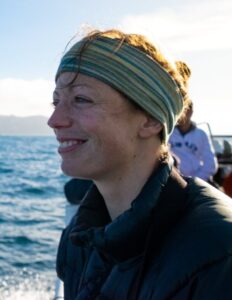 |
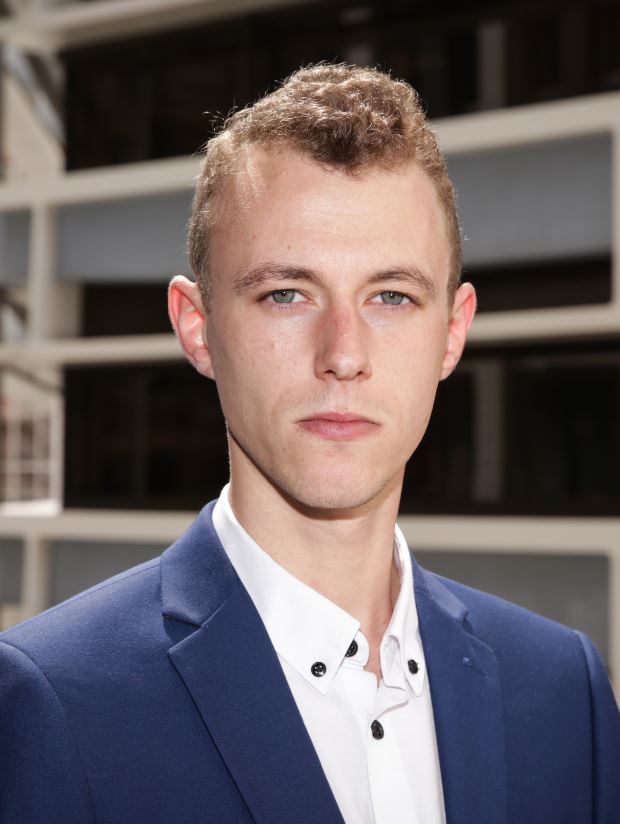
Claire Concannon
Producer/presenter of Our Changing World, RNZ Claire produces and presents RNZ’s weekly science and environment programme Our Changing World. The focus of the show is on research happening in Aotearoa New Zealand, and the range of topics is extremely broad. Claire travels around New Zealand to record sound-rich interactive radio interviews in labs and in the field and produces stories between 10-25 minutes long.
Location: Ōtepoti Dunedin Contact: Claire.concannon@rnz.co.nz; +64 27 395 8914 |
 |
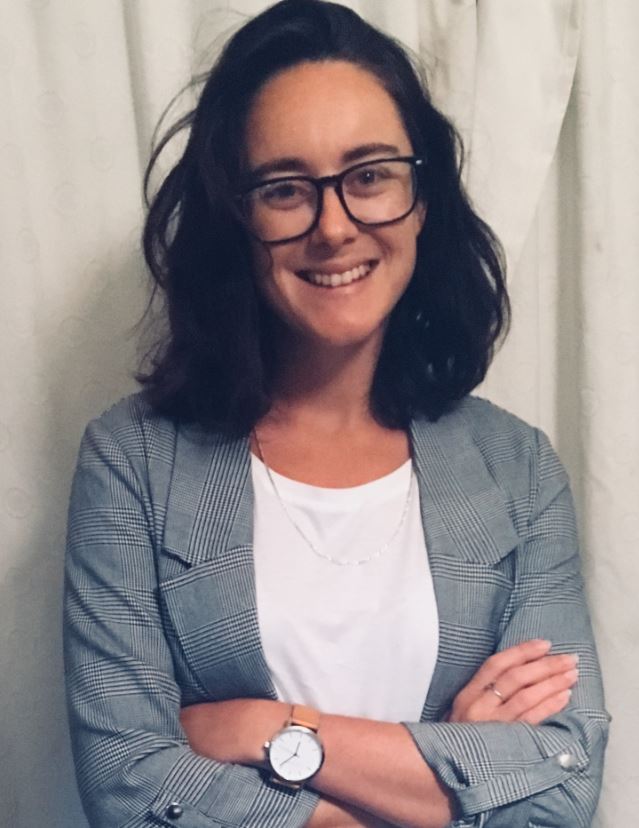
Emile Donovan Host of Nights, RNZ Emile covers a wide range of science-related stories and is particularly interested in quirky, off-the-beaten track stories, and stories concerned with environmentalism and conservation. Also anything to do with dogs, sport, gastronomy, the periodic table, and critters. Despite dropping all sciences in fifth form he once got 31/32 in his year 10 biology exam. Location: Tāmaki Makaurau Auckland Contact: nights@rnz.co.nz |
 |
Ali Ventura Producer, RNZ We cover the news of the day in exciting and fresh ways – we’re interested in almost all science stories but especially those that affect all New Zealanders, and anything that is oddball or amusing. Location: Tāmaki Makaurau Auckland Contact: ali.ventura@rnz.co.nz; +64 21 205 1501 |